
Zhovkva calls for European air-defence and Starlink alternatives
Ihor Zhovkva said Ukraine wants European alternatives to US air-defence systems and Starlink. He said Ukraine aims to lead development of an air-defence equivalent and urged countries able to provide equipment to do so, with others contributing financially.
AI-assisted synthesis · Based on 5 outlets' reporting · Article text read from 1 of 5 outletsHow it's made
View timeline · 10 entries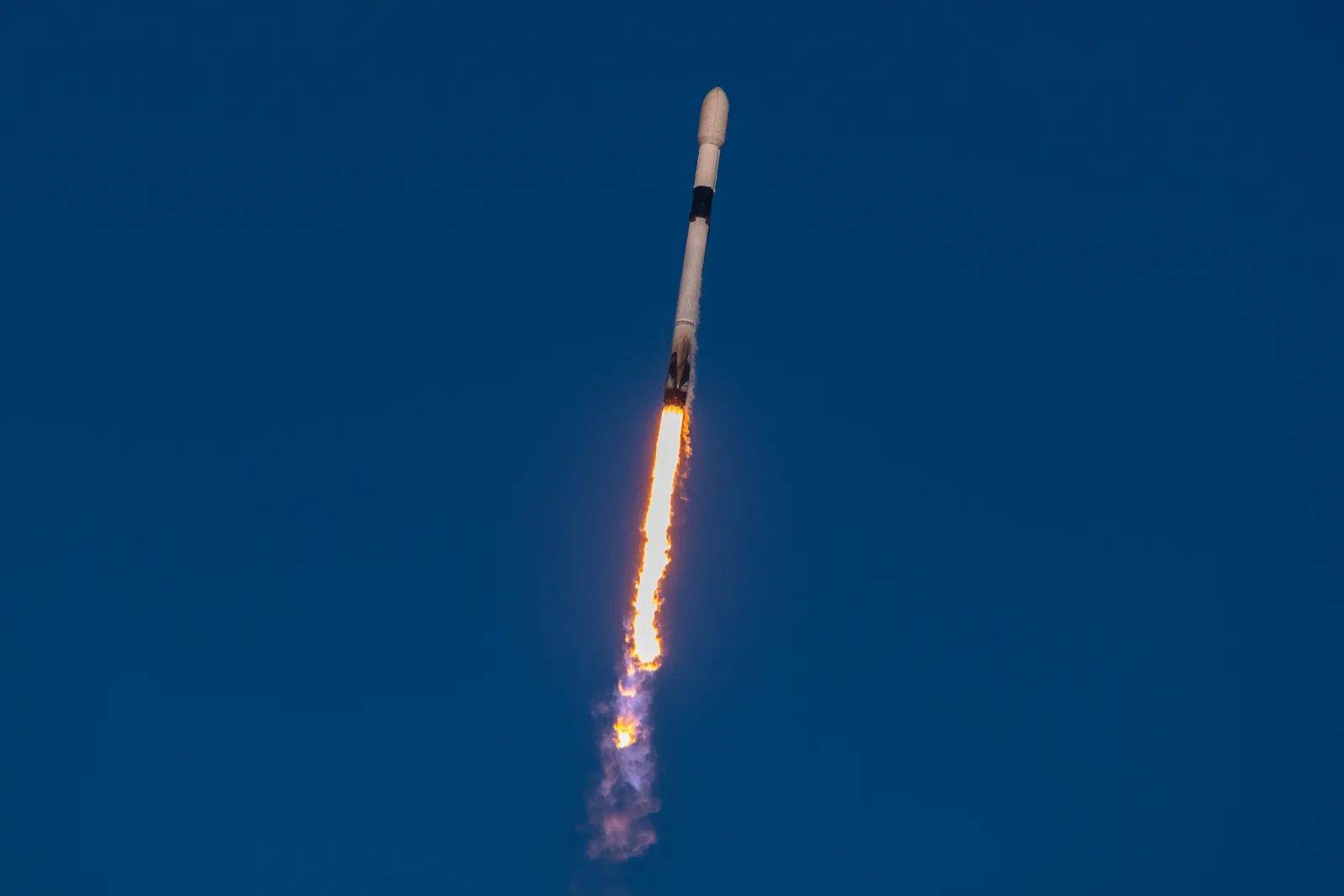 File photo
What happened
Key facts
- Ihor Zhovkva is deputy head of President Volodymyr Zelenskyy's office (per Euronews).
- Zhovkva said Ukraine was seeking to reduce its reliance on American capabilities (per Euronews).
- Zhovkva said Ukraine needed a European equivalent of an air-defence system and intended to lead its development (per Euronews).
- Zhovkva said European countries should have their own corresponding air-defence system (per Euronews).
- Zhovkva said Ukraine had a clear timetable and deadlines for the effort (per Euronews).
- Zhovkva said countries able to assist should provide systems or missiles, while countries unable to supply equipment should contribute financially (per Euronews).
- BBC's headline says Ukraine pushed Russia back on a front line where Starlink has played a key role (per BBC, Euronews).
- NBC News's headline says Ukraine reported that new Starlink restrictions disrupted its military amid intelligence gaps and a clash with Trump (per NBC News, Euronews).
- PBS's headline says sudden Starlink limits reduced Ukraine's drone power and Kyiv feared a US intelligence squeeze (per PBS, Euronews).
The brief
Ukraine is seeking European alternatives to US air-defence systems and Starlink, according to Euronews.
In an interview with the Europe Today programme, Ihor Zhovkva, deputy head of President Volodymyr Zelenskyy's office, said Ukraine wants to reduce its reliance on American capabilities as uncertainty over Washington's support puts pressure on Europe to strengthen its own defences.
Zhovkva named air-defence systems and Starlink as US-provided capabilities on which Ukraine relies. He said Ukraine needed a European equivalent of an air-defence system and intended to take a leading role in developing one. He also argued that European countries should have their own corresponding system. On support, Zhovkva said Ukraine had a clear timetable and deadlines.
He called on countries able to help to provide systems or missiles, while saying countries unable to supply equipment should contribute financially. Euronews did not give details of the timetable in the quoted account, nor did it identify a particular system or supplier.
Euronews presented the effort as a push to reduce reliance on American capabilities amid uncertainty about Washington's support. The interview gives Zhovkva's position; it does not describe a European commitment, a decision by a government, or a completed alternative. His remarks set out Ukraine's stated aim and the forms of assistance he wants European countries to consider.
BBC's headline separately says Ukraine pushed Russian forces back on a front line where Starlink played a key role. NBC News's headline says Ukraine reported military disruption from new Starlink restrictions and refers to intelligence gaps and a clash with Trump.
PBS's headline describes limits on Starlink as reducing Ukraine's drone power and says Kyiv feared a US intelligence squeeze. These headlines add claims about the service's military relevance and the reported effects of restrictions, but they do not provide details in the headline text.
Spectrum News's headline says Zelenskyy stated that Russia continued hitting Ukraine's energy sites despite Trump's truce push. That headline concerns energy sites and does not detail the European alternatives discussed by Zhovkva.
Euronews's account, meanwhile, focuses on Ukraine's stated effort to develop European air-defence capacity and reduce reliance on US capabilities, including Starlink. The account does not describe a decision or outcome from European governments.
Why it matters
- Ukraine's military relies on US-provided air-defence systems and Starlink, according to Zhovkva; he said Ukraine wants European alternatives to reduce that reliance.
- Zhovkva said Ukraine wants to lead development of a European air-defence equivalent, making Ukraine's proposed role in that effort explicit.
- Zhovkva's proposed support mechanism divides assistance between systems or missiles from countries able to provide equipment and financial contributions from those unable to do so.
What to watch next
- Whether European countries provide air-defence systems or missiles, as Zhovkva urged.
- Whether countries unable to supply equipment contribute financially, as Zhovkva proposed.
- Whether Ukraine takes a leading role in developing a European air-defence equivalent, as Zhovkva said it intended to do.
How it's being covered
Coverage analysisShow details6 source articles · 5 unique outletsOutlet political mix: Mostly Center· 1 Left · 4 CenterWhere the outlets are based: US/Canada 60% · Europe 40%
- Coverage is currently concentrated among Center-rated outlets (4 of 5 rated sources); comparatively few Right-rated outlets have published on the event.
How outlets' accounts compare
Timeline
Developments from this story's sources, dated background we compiled and fact-checked, and our earlier coverage. Each row says which.- Elon Musk founded SpaceX.Background · compiled and fact-checked by Updat3
- At its April 2008 Bucharest Summit, NATO declared that Ukraine and Georgia “will become members,” without setting an accession date.Background · from our historical context
- SpaceX activated Starlink service in Ukraine and terminals were supplied there.Background · compiled and fact-checked by Updat3
- On February 24, 2022, Russia launched its full-scale invasion of Ukraine.Background · from our historical context
- Elon Musk publicly questioned whether SpaceX should continue paying for Starlink service in Ukraine.Background · compiled and fact-checked by Updat3
- Germany delivered Ukraine its first IRIS-T SLM air-defence system.Background · compiled and fact-checked by Updat3
- The United States announced NASAMS deliveries to Ukraine.Background · compiled and fact-checked by Updat3
- SpaceX president Gwynne Shotwell said the company had restricted Starlink use for offensive drone operations in Ukraine.Background · compiled and fact-checked by Updat3
- The Pentagon confirmed it had contracted with SpaceX to provide Starlink services in Ukraine.Background · compiled and fact-checked by Updat3
- Elon Musk said he had refused a Ukrainian request to activate Starlink near Crimea.Background · compiled and fact-checked by Updat3
How we got here
By 2023, Ukraine was using several Western air-defence systems alongside its Soviet-designed equipment: Germany delivered the first IRIS-T SLM system in October 2022, the United States announced NASAMS deliveries that month, and a French-Italian SAMP/T system arrived in 2023.
SpaceX’s Starlink satellite-internet service, launched in 2019, became available in Ukraine in February 2022 after Russia’s full-scale invasion; its use provided communications connectivity during the war. These earlier systems and services formed part of the military-support environment in which European alternatives could be discussed.
Original sources
6 articles from 5 outletsEvery story links to the reporting it was built from. How we choose sources
Spotted a factual error, a broken link or a misleading summary? Tell us.