
Europe seeks alternatives as Ukraine’s Starlink reliance raises security concerns
Europe is pursuing several plans to reduce the dominance of Elon Musk’s satellite communications service, according to POLITICO Europe. Finnish MEP Aura Salla said Ukraine’s reliance on Starlink exposes vulnerabilities in European defence systems that depend on U.S. technology, while SpaceX warned that the proposal could disrupt satellite service and emergency communications.
AI-assisted synthesis · Based on 5 outlets' reporting · Article text read from 1 of 5 outletsHow it's made
View timeline · 13 entries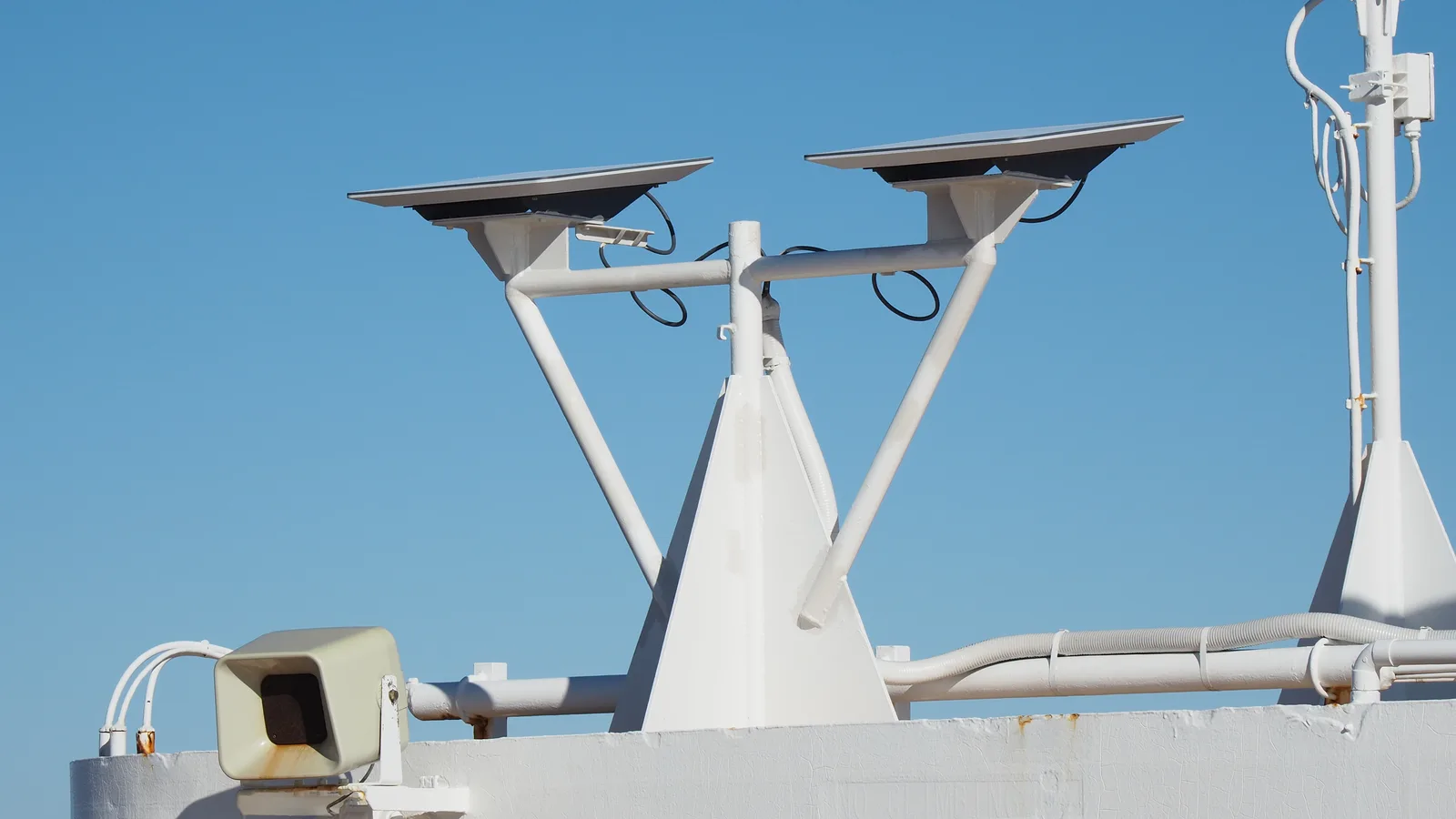 File photo
What happened
Key facts
- Europe is working on several plans to reduce the dominance of Elon Musk’s satellite communications service (per Politico Europe, Axios).
- Finnish member of the European Parliament Aura Salla said Ukraine’s reliance on Starlink highlights the vulnerability of European defence systems that depend on U.S. technology (per Politico Europe).
- European Commission President Ursula von der Leyen said at an international space summit in Paris last month that Europe needs industrial champions to lead in the future space economy (per Politico Europe).
- SpaceX warned that the proposal could leave Europeans without direct-to-device satellite service or cause interference with services, including emergency communications in Ukraine (per Politico Europe).
- The European plan’s services were supposed to begin in 2024, with full capacity by 2027 (per Politico Europe).
- UA.NEWS reported in its headline that Starlink service in Ukraine may be restricted again after the U.S. election (per ua.news, Politico Europe, Axios).
- The Wall Street Journal reported in its headline that Ukraine’s military said Starlink was working again.
The brief
Europe is pursuing several plans to reduce the dominance of Elon Musk’s satellite communications service, as concerns over Ukraine’s reliance on Starlink have drawn attention to the risks of dependence on U.S. technology. POLITICO Europe reported that the proposals have prompted a warning from SpaceX, which said the changes could disrupt satellite access and emergency services.
Aura Salla, a Finnish member of the European Parliament, said Ukraine’s reliance on Starlink highlights vulnerabilities in European defence systems that use U.S. technology. Salla described the issue in a statement, linking it to the need for European industrial capacity in the space sector.
European Commission President Ursula von der Leyen has also made the case for building European industrial champions. Speaking at an international space summit in Paris last month, she said such companies were needed for Europe to lead in the future space economy. SpaceX objected to the proposal in a four-page submission obtained by POLITICO Europe.
The company warned that the plan could leave Europeans without direct-to-device satellite service, or that new European operations might interfere with services around the world. SpaceX specifically cited the possibility of disruption to emergency services, including those in Ukraine.
The programme’s planned timetable called for services to start in 2024 and reach full capacity by 2027. POLITICO Europe described the plan as already years behind schedule. The account places that delay alongside the current push to develop alternatives, but does not give a revised timetable. Other headlines connect the issue to the status of Starlink in Ukraine.
UA.NEWS said service may be restricted again after the U.S. election, while The Wall Street Journal headline said Ukraine’s military reported that Starlink was working again. Those headlines do not detail the circumstances behind either statement; POLITICO Europe’s account focuses on Europe’s plans, Salla’s warning, von der Leyen’s remarks and SpaceX’s objections.
Why it matters
- Ukraine’s emergency services are among the systems SpaceX said could face interference under the proposal.
- Salla identified European defence systems dependent on U.S. technology as vulnerable to reliance on Starlink.
- SpaceX has a documented commercial stake in the debate: its satellite service is the one Europe’s plans aim to challenge, and the company warned of possible service and interference problems.
- The planned European programme was meant to begin services in 2024 and reach full capacity by 2027; POLITICO Europe described it as years behind schedule.
What to watch next
- Whether Europe advances any of the several plans to reduce Starlink’s dominance.
- Whether SpaceX’s stated concerns about direct-to-device service and interference shape the proposal.
- Whether the programme reaches its planned full-capacity target of 2027.
How it's being covered
Coverage analysisShow details5 source articles · 5 unique outletsOutlet political mix: Mixed· 1 Left · 3 Center · 1 RightWhere the outlets are based: US/Canada 40% · Europe 40% · Other 20%
How outlets' accounts compare
Timeline
Developments from this story's sources, dated background we compiled and fact-checked, and our earlier coverage. Each row says which.- Russia annexed Crimea from Ukraine.Background · compiled and fact-checked by Updat3
- Europe also had the Galileo satellite-navigation system, whose first operational services began in December 2016, but Galileo provides positioning and timing rather than Starlink-style broadband internet.Background · from our historical context
- SpaceX launched its first 60 operational Starlink satellites.Background · compiled and fact-checked by Updat3
- The United Kingdom-based OneWeb, another low-Earth-orbit broadband operator, began commercial service in 2021.Background · from our historical context
- In February 2022, the European Commission proposed a secure connectivity system intended to provide governmental and commercial satellite services.Background · from our historical context
- Russia’s full-scale invasion of Ukraine on February 24, 2022, sharply increased the military and civilian importance of satellite internet.Background · from our historical context
- After Russian forces damaged communications infrastructure, Elon Musk said on February 26, 2022, that SpaceX’s Starlink service had been activated in Ukraine; the first terminals arrived soon afterward.Background · from our historical context
- Elon Musk publicly questioned whether SpaceX should continue paying for Starlink service in Ukraine.Background · compiled and fact-checked by Updat3
- SpaceX president Gwynne Shotwell said the company had restricted Starlink use for offensive drone operations in Ukraine.Background · compiled and fact-checked by Updat3
- The EU Council adopted the IRIS² regulation establishing a satellite-communications program.Background · compiled and fact-checked by Updat3
- The Pentagon confirmed it had contracted with SpaceX to provide Starlink services in Ukraine.Background · compiled and fact-checked by Updat3
- Eutelsat completed its merger with OneWeb in September 2023, creating a European-headquartered satellite group with an existing constellation.Background · from our historical context
- Elon Musk said he had refused a Ukrainian request to activate Starlink near Crimea.Background · compiled and fact-checked by Updat3
How we got here
Russia’s full-scale invasion of Ukraine on February 24, 2022, sharply increased the military and civilian importance of satellite internet. After Russian forces damaged communications infrastructure, Elon Musk said on February 26, 2022, that SpaceX’s Starlink service had been activated in Ukraine; the first terminals arrived soon afterward.
The service became one part of Ukraine’s wartime communications network, alongside terrestrial and other satellite systems. The invasion followed Russia’s 2014 annexation of Crimea and the outbreak of fighting in Donbas. The United Nations estimated that the Donbas conflict killed 14,200–14,400 people, including at least 3,404 civilians, from 2014 through 2021.
Original sources
2 of 5 articles · Europe · Show allEvery story links to the reporting it was built from. How we choose sources
Spotted a factual error, a broken link or a misleading summary? Tell us.