
UN climate fund earmarks first $20 million for Nepal after deadly August floods
The United Nations' climate loss and damage fund board agreed to reserve $20 million for Nepal, the first time it has set aside money for a country. The New Indian Express reported that Nepal’s August floods killed more than 1,400 people and left over 5,000 missing.
AI-assisted synthesis · Based on 4 independent reports from 5 outlets · Article text read from 1 of 4 reportsHow it's made
View timeline · 9 entries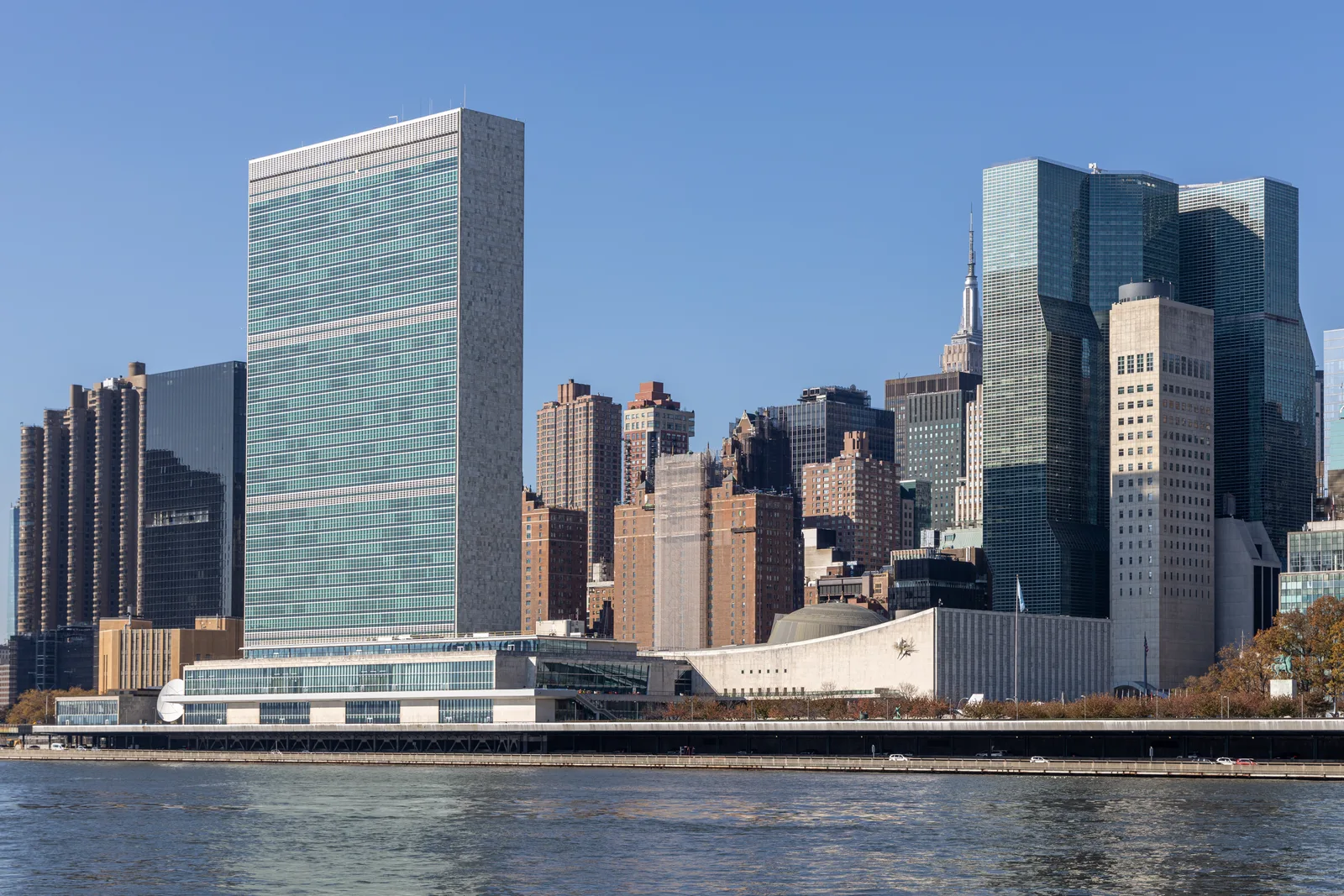 File photo
What happened
Key facts
- The fund's board agreed to earmark the money for Nepal at an extraordinary meeting on Thursday (per The New Indian Express).
- The New Indian Express described this as the first time the fund had set aside money for any country.
- The aid is for Nepal after floods in August (per The New Indian Express, The Hindu).
- The New Indian Express said the floods followed a climate-induced ice and rock avalanche and described them as tsunami-like.
- The New Indian Express reported that Nepal's finance minister Swarnim Wagle welcomed the grant commitment and said the board had convened after receiving Nepal's letter (per The New Indian Express).
- The New Indian Express reported that the United Nations and its humanitarian partners launched a $49.6 million emergency appeal after the disaster (per The New Indian Express).
- The New Indian Express reported that the United States announced $31 million in new flood recovery support in September (per The New Indian Express).
The brief
The United Nations' climate loss and damage fund board agreed to earmark $20 million for Nepal, marking the first time the fund has set aside money for a country, The New Indian Express reported. The board made the decision at an extraordinary meeting on Thursday. The funding is intended as aid for Nepal after the devastating floods in August.
The New Indian Express said the floods followed an ice and rock avalanche that it described as climate-induced, producing what it called tsunami-like flooding. The disaster killed more than 1,400 people and left over 5,000 missing, according to the outlet.
Its account places the fund decision in the aftermath of that disaster, without describing a schedule for distributing the money or the terms of the assistance. Nepal’s finance minister, Swarnim Wagle, welcomed the commitment, telling AFP that the board had convened after Nepal sent a letter and agreed to provide grant money.
The New Indian Express quoted him calling the commitment “very welcome.” His statement links Nepal’s request to the board’s meeting and decision; the report does not include further details about the letter or the board’s deliberations. The fund is formally called the Fund for Responding to Loss and Damage.
The New Indian Express said developing countries secured its creation at United Nations climate conferences in 2022 and 2023. The outlet characterized the new allocation as a test of the fund’s credibility, while describing the $20 million amount as modest. The disaster also prompted a wider aid effort.
The United Nations and its humanitarian partners launched an emergency appeal for $49.6 million after the floods, the outlet reported. The United States announced $31 million in new flood recovery support in September. The account does not give the total amount raised against the appeal or explain how the separate commitments relate to one another.
The fund’s board decision is an earmark to provide aid; the report does not say that Nepal has already received the money. The New Indian Express also does not specify how the grant will be allocated, when disbursements will begin, or what conditions will apply.
Those details would clarify how the commitment is intended to support recovery for communities affected by the floods.
Why it matters
- The New Indian Express reported that Nepal’s August floods killed more than 1,400 people and left over 5,000 missing, making the disaster’s human toll the immediate context for the fund’s $20 million commitment.
- The fund board’s earmark is a grant commitment for Nepal, while the outlet also reports a separate $49.6 million United Nations and humanitarian-partner emergency appeal.
- The United States announced $31 million in new flood recovery support in September, another specifically reported source of recovery funding.
What to watch next
- Whether the fund board moves from earmarking the $20 million to disbursing it to Nepal.
- How the fund allocates the grant and what recovery purposes it will support.
- Whether the $49.6 million United Nations and humanitarian-partner emergency appeal receives funding.
How it's being covered
Coverage analysisShow details5 source articles · 5 unique outlets · 4 distinct reportsOutlet political mix: Center Only· 5 CenterWhere the outlets are based: Europe 40% · Asia 40% · Other 20%
- Coverage is currently concentrated among Center-rated outlets (5 of 5 rated sources); comparatively few Left or Right-rated outlets have published on the event.
One source is from a wire service (AP, Reuters, AFP or Bloomberg), whose reporting other outlets often republish.
How outlets' accounts compare
Timeline
Developments from this story's sources, dated background we compiled and fact-checked, and our earlier coverage. Each row says which.- Countries adopted the United Nations Framework Convention on Climate Change.Background · compiled and fact-checked by Updat3
- Countries adopted the Paris Agreement, whose Article 8 recognizes loss and damage associated with climate change.Background · compiled and fact-checked by Updat3
- On 15 June 2021, severe flooding and landslides in Nepal’s Melamchi and Indrawati river valleys damaged homes, roads and water infrastructure.Background · from our historical context
- In October 2021, floods and landslides across western Nepal killed more than 100 people, according to Nepal’s authorities.Background · from our historical context
- At COP27 in Sharm el-Sheikh on 20 November 2022, countries agreed to establish a fund for responding to loss and damage and set up a transitional committee to recommend how it should operate.Background · from our historical context
- Countries at COP28 agreed on arrangements to make the loss and damage fund operational.Background · compiled and fact-checked by Updat3
- In June 2024, the board selected Ibrahima Cheikh Diong as the fund’s executive director.Background · from our historical context
- Floods in Nepal killed more than 1,400 people and left over 5,000 missing, according to The New Indian Express.Background · compiled and fact-checked by Updat3
- The fund's board agreed to earmark the money for Nepal at an extraordinary meeting on Thursday.
How we got here
Nepal’s August floods followed an earlier history of climate-related disasters in the Himalaya. On 15 June 2021, severe flooding and landslides in Nepal’s Melamchi and Indrawati river valleys damaged homes, roads and water infrastructure. In October 2021, floods and landslides across western Nepal killed more than 100 people, according to Nepal’s authorities.
The international framework for addressing climate-related loss and damage developed through the United Nations Framework Convention on Climate Change (UNFCCC), adopted in 1992, and the Paris Agreement, adopted on 12 December 2015. Article 8 of the Paris Agreement recognizes the importance of averting, minimizing and addressing loss and damage associated with climate change.
Original sources
1 of 5 articles · Global · Show allEvery story links to the reporting it was built from. How we choose sources
Spotted a factual error, a broken link or a misleading summary? Tell us.