
Zelensky says US intelligence suspension left Ukraine without missile warnings
Zelensky said the intelligence pause deprived Ukraine of U.S. warnings about Russian missiles, underscoring the potential battlefield impact of changes to security cooperation; the duration of the pause is not established here.
AI-assisted synthesis · Based on 4 outlets' reporting · Article text read from 1 of 4 outletsHow it's made
View timeline · 8 entries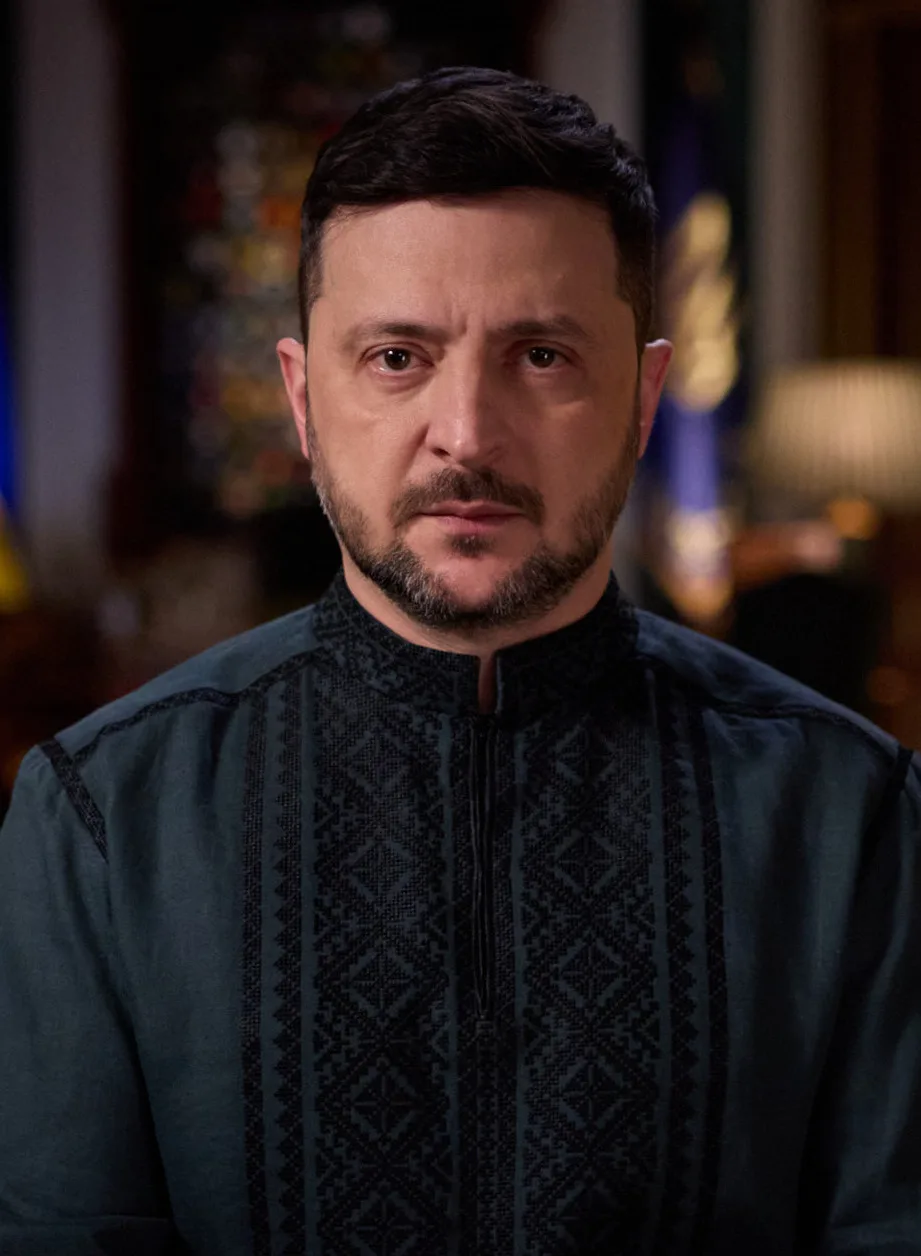 File photo
What happened
Key facts
- Ukrainian President Volodymyr Zelensky said a US intelligence-sharing blackout hurt Ukraine (per ap7am.com, thestatesman.com, ommcomnews.com).
- Zelensky said the United States temporarily suspended crucial intelligence sharing with Ukraine for three days (per ap7am.com).
- Zelensky said Ukrainian forces lacked American warnings about Russian ballistic missile attacks during the suspension (per ap7am.com).
- Zelensky said Ukraine did not see Russian ballistic missile attacks during that period (per ap7am.com).
- Zelensky said the United States alone had the intelligence capability to warn Ukraine when Russia used ballistic missiles (per ap7am.com).
- Zelensky said he did not know who had made the decision to suspend the intelligence sharing (per ap7am.com).
- Zelensky said support from the United States was very difficult to do without (per ap7am.com).
The brief
Ukrainian President Volodymyr Zelensky said the United States temporarily stopped sharing crucial intelligence with Ukraine for three days, leaving Ukrainian forces without American warnings about Russian ballistic missile attacks during that period.
The claim, reported by ap7am.com, concerns a specific warning capability that Zelensky said Ukraine could not obtain from another source. Zelensky said Ukraine did not see Russian ballistic missile attacks while the intelligence sharing was suspended. He explained that the United States alone had the intelligence needed to alert Ukraine when Russia used ballistic missiles.
His remarks therefore describe both a gap in warnings and the particular information he said the United States provides. Zelensky also said he did not know who had made the decision. The uncertainty about the decision-maker sits alongside his account of the suspension itself; he did not identify an official or agency as responsible in the quoted remarks.
Bessent offered a denial on behalf of the administration. He said President Trump and Secretary Rubio had categorically stated that no one in the Trump administration had suspended the sharing. Bessent added that he knew nothing about the matter, while saying the administration had been clear in its position.
The claims leave two distinct points on the record: Zelensky said the suspension occurred and deprived Ukraine of US warnings, while Bessent relayed the administration’s categorical denial that anyone in it carried out the suspension. The account does not identify another party responsible for the alleged interruption.
Zelensky said support from the United States was very difficult to do without. His comments underline the importance he assigns to the US warning capability, while the administration’s denial contests the allegation that its officials halted the intelligence flow. ap7am.com also notes that its article was sourced from a news agency and had not been edited by its team.
Why it matters
- Ukraine’s forces were the immediate affected group: Zelensky said a three-day suspension left them without US warnings about Russian ballistic missile attacks.
- The specific capability at stake is advance warning about Russian ballistic missile use; Zelensky said only the United States had the intelligence needed to provide it.
- Zelensky said reliance on US support made operating without it very difficult, while Bessent said the Trump administration denied that anyone in it had suspended the sharing.
What to watch next
- Whether Zelensky or the Ukrainian government identifies who made the alleged decision to suspend intelligence sharing.
- Whether President Trump or Secretary Rubio provides further details about the denial Bessent attributed to them.
- Whether the US administration or Ukrainian officials clarify what intelligence-sharing arrangements were in place during the three-day period.
How it's being covered
Coverage analysisShow details4 source articles · 4 unique outlets · 3 distinct reportsOutlet political mix: Center Only· 3 Center · 1 unratedWhere the outlets are based: Unknown 50% · US/Canada 25% · Other 25%
- Coverage is currently concentrated among Center-rated outlets (3 of 3 rated sources); comparatively few Left or Right-rated outlets have published on the event.
One source is from a wire service (AP, Reuters, AFP or Bloomberg), whose reporting other outlets often republish.
How outlets' accounts compare
Timeline
Developments from this story's sources, dated background we compiled and fact-checked, and our earlier coverage. Each row says which.- In 1994, Ukraine joined the Nuclear Non-Proliferation Treaty as a non-nuclear-weapon state and transferred the Soviet nuclear weapons on its territory out of the country.Background · from our historical context
- Ukraine, Russia, the United States and the United Kingdom signed the Budapest Memorandum on security assurances.Background · compiled and fact-checked by Updat3
- Relations deteriorated sharply in 2014, when Russia occupied and annexed Crimea and fighting began in eastern Ukraine between Ukrainian forces and Russian-backed separatists.Background · from our historical context
- The United States and Ukraine signed a Charter on Strategic Partnership reaffirming security and defence cooperation.Background · compiled and fact-checked by Updat3
- The conflict brought years of military confrontation before Russia launched its full-scale invasion on February 24, 2022.Background · from our historical context
- The role of intelligence became more politically exposed in early 2025, as US policy toward the war was being reconsidered.Background · from our historical context
- Donald Trump and Volodymyr Zelensky met at the White House; their planned minerals agreement was not signed.Background · compiled and fact-checked by Updat3
- The United States paused intelligence sharing and military assistance to Ukraine.Background · compiled and fact-checked by Updat3
How we got here
Ukraine’s reliance on foreign intelligence has roots in the country’s post-Soviet security arrangements and its changing relationship with Russia. In 1994, Ukraine joined the Nuclear Non-Proliferation Treaty as a non-nuclear-weapon state and transferred the Soviet nuclear weapons on its territory out of the country.
The United States, United Kingdom and Russia signed the Budapest Memorandum, pledging to respect Ukraine’s independence, sovereignty and existing borders and to refrain from the threat or use of force against it. The memorandum contained security assurances, not a mutual-defence commitment requiring the signatories to fight for Ukraine if it were attacked.
Original sources
1 of 4 articles · Asia · Show allEvery story links to the reporting it was built from. How we choose sources
Spotted a factual error, a broken link or a misleading summary? Tell us.