
Pramila Jayapal says India is purging 130 million names from voter rolls
Pramila Jayapal said the Indian government is purging 130 million people from the country’s voter rolls. Election Commission statistics show about 7.2 crore names were deleted from draft rolls during the first two phases of the SIR process, and the commission said omitted genuine voters can seek inclusion through claims and Form 6.
AI-assisted synthesis · Based on 4 outlets' reporting · Full text read from 3 of 4 outletsHow it's made
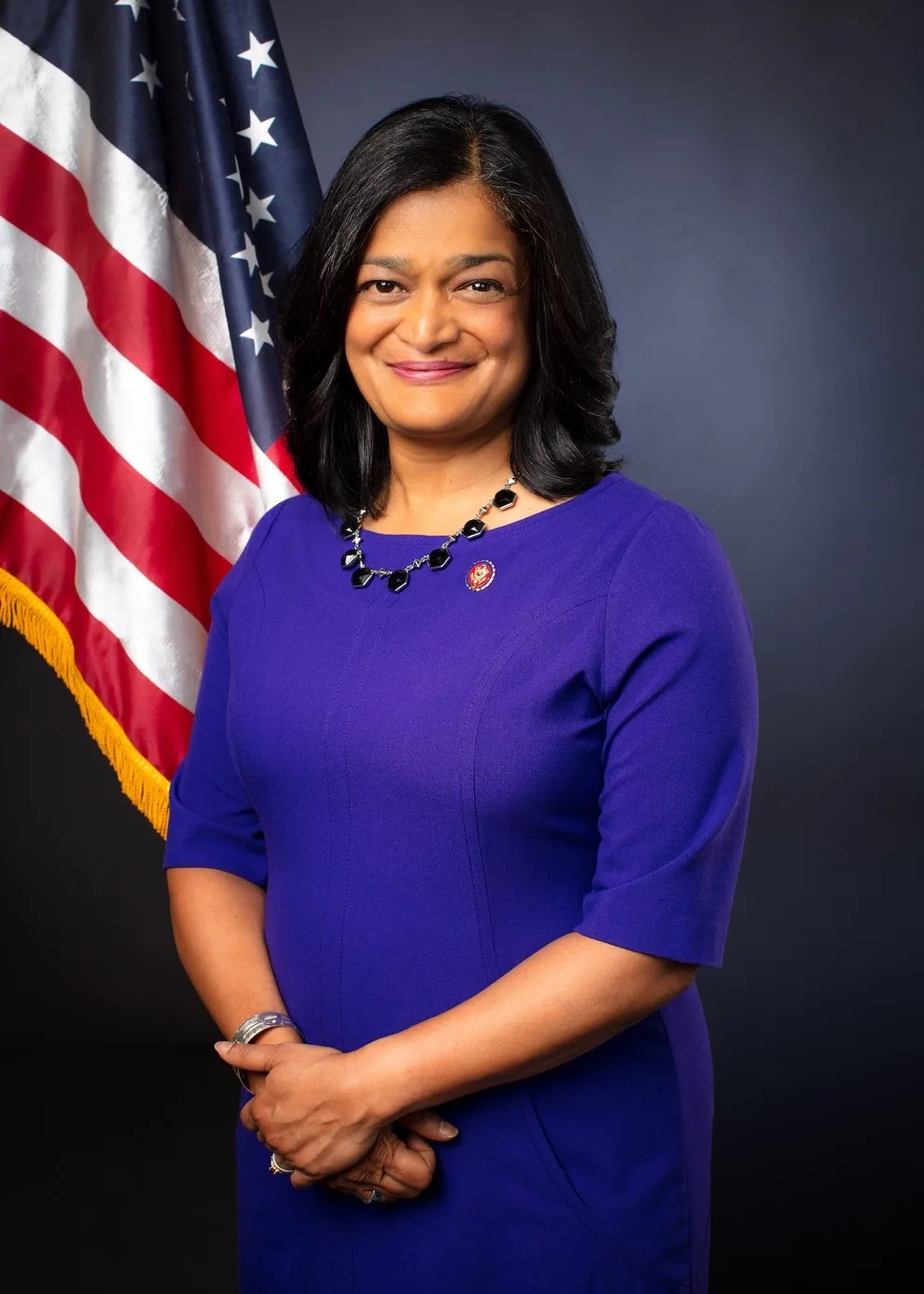 File photo
What happened
Key facts
- Pramila Jayapal said on X that she is "deeply concerned about the actions of the Indian government to purge 130 million people from the voting rolls." (per abplive.com, India Today, newindiaabroad.com).
- The Election Commission of India shared statistics saying around 7.2 crore names were deleted from the draft electoral rolls during the first and second phases of the SIR process (per abplive.com, India Today).
- The SIR process in its first and second phases covered 13 states and union territories, according to the Election Commission statistics reported (per abplive.com, India Today).
- Jayapal’s post on X marked the first comments by a U.S. lawmaker on the reported voter roll removals, according to the reports (per abplive.com, India Today).
The brief
Pramila Jayapal publicly voiced concern that the Indian government is removing 130 million people from the country’s voter rolls, saying on X she is “deeply concerned about the actions of the Indian government to purge 130 million people from the voting rolls.” Her comment, carried in multiple .S. lawmaker on the issue, the reports note.
Indian authorities conducting the nationwide Synchronized Integrated Revision (SIR) process have published statistics showing that roughly 7.2 crore names were deleted from draft electoral rolls during the first two phases, which covered 13 states and union territories.
The deletion figure reported in the Election Commission documents applies to the draft lists compiled during those SIR phases; the commission has emphasised that those whose names were left out inadvertently can use the claims and objections mechanism and file Form 6 to be included.
Media outlets covering Jayapal’s post and the commission data echoed each other on the principal figures: Jayapal framed the action as a purge of 130 million people, while the Election Commission provided the lower, process-specific number of about 7.2 crore deletions tied to the SIR phases.
Jayapal’s statement was posted on X and was described in the reports as the first U.S. congressional comment on the reported removals; the outlets did not cite any additional U.S. government statements or actions.
The reporting does not include independent verification of whether the 130 million figure equals finalized, permanent removals from the electoral rolls or whether it overlaps with routine deletions from draft rolls and subsequent inclusion via claims.
The Election Commission’s guidance on claims and Form 6 was reported in the same articles, which say the commission allows voters to seek restoration if they were omitted during SIR.
Beyond Jayapal’s post and the commission statistics about deletions during the SIR phases, the stories in this package do not provide further detail on the demographic or geographic breakdown of the names removed, any legal challenges to the deletions, or responses from Indian government officials; they also do not specify how the 130 million figure was calculated or whether it reflects draft deletions, finalized removals, duplicates across phases, or a broader dataset.
The coverage thus presents two documented strands: a U.S. lawmaker’s public alarm about a 130 million-person purge, and the Election Commission’s reported 7.2 crore deletions tied to the first two phases of SIR with an administrative remedy for omitted voters via claims and Form 6.
Why it matters
- Residents listed on electoral rolls in the 13 states and union territories covered by the first two SIR phases face a concrete mechanism of exclusion or restoration: about 7.2 crore names were deleted from draft rolls in those phases, and affected voters must use the claims and objections process and Form 6 to seek re‑inclusion.
- The political stakes include at least one U.S. lawmaker publicly raising the issue for 130 million people, which could prompt scrutiny of India’s voter‑list procedures from U.S.
- Election administration bodies and candidates in the affected jurisdictions bear administrative costs and logistical work to process claims and Form 6 submissions after the SIR deletions, per the Election Commission’s stated remedy.
- Civil society groups and voting rights advocates have an interest in the discrepancy between the 130 million figure cited by Jayapal and the 7.2 crore deletions the Election Commission reported, because that gap affects how many voters may need to pursue restoration through formal procedures.
What to watch next
- Whether the Election Commission of India publishes further breakdowns showing how the 130 million figure relates to the 7.2 crore deletions reported for the first two SIR phases.
- Whether additional U.S. lawmakers or congressional committees adopt Jayapal’s concern and seek briefings or statements from U.S. officials about the reported removals.
- Whether voters who find their names omitted use the claims and objections process and submit Form 6 in numbers sufficient to change the draft roll totals reported by the commission.
How it's being covered
Coverage analysisShow details4 source articles · 4 unique outletsCoverage mix: Center Only· 3 CenterWhere the outlets are based: Asia 75% · Unknown 25%
- Coverage is currently concentrated among Center-rated outlets (3 of 3 rated sources); comparatively few Left or Right-rated outlets have published on the event.
- Coverage is currently concentrated among outlets based in Asia (3 of 4 geographically-identified sources).
How outlets' accounts compare
3 framing differences · 3 uncorroborated claims · 4 information gaps- Pramila Jayapal and the diaspora outlets present the issue as a government 'purge' of 130 million people; the Election Commission’s figures reported in the same outlets frame the matter as 7.2 crore deletions from draft rolls during specific SIR phases and emphasise an administrative remedy.
- S1/S2/S3/H1 and the Election Commission statistics differ in emphasis: Jayapal and outlets cite 130 million (13 crore) as the scale of the purge, while the commission statistics cited in the reports state about 7.2 crore deletions tied to the first two SIR phases.
- Pramila Jayapal attributes the large‑scale removals to the Indian government; the Election Commission attributes the deletions to the SIR process and points to procedural remedies for omitted voters.
- Jayapal attributes the removals to actions 'of the Indian government' in her X post; the Election Commission materials attribute the deletions to the SIR process without describing them as a government-directed 'purge.'
- "I am deeply concerned about the actions of the Indian government to purge 130 million people from the voting rolls," — Pramila Jayapal (quoted in news.abplive.com and India Today and newindiaabroad.com).
- The Election Commission said omitted genuine voters can seek inclusion through the claims and objections process and subsequently through Form 6.
- No source explains how the 130 million figure was derived from official data or whether it double‑counts names across states or phases.
- No source provides demographic or geographic breakdowns of the deletions (age, gender, district) that would show who was most affected.
- No report Updat3 read reports any response from Indian government officials directly addressing Jayapal’s characterization.
- Whether the 130 million figure Jayapal cited corresponds to permanent removals from final electoral rolls or to a broader set of draft deletions and overlaps; none of the sources clarifies that relationship.
How we got here
Pramila Jayapal posted on X that she was "deeply concerned about the actions of the Indian government to purge 130 million people from the voting rolls," a comment flagged by Indian outlets as the first reaction from a U.S. lawmaker on the matter. Indian media reported that 13 crore (130 million) names had been removed from draft electoral rolls.
The Election Commission of India said that genuinely excluded voters can seek inclusion through the claims-and-objections process and subsequently by submitting Form 6. The Commission exercising final authority over preparation and revision of electoral rolls traces to the Election Commission of India, the constitutional body established on 25 January 1950.
Original sources
4 articles from 4 outletsEvery story links to the reporting it was built from. How we choose sources
Spotted a factual error, a broken link or a misleading summary? Tell us.