
U.S. lawmakers urge Rubio to raise CJP protests with India
U.S. lawmakers asked Secretary of State Marco Rubio to raise India’s handling of CJP protests during his upcoming visit. In a letter, they cited concerns about security forces’ conduct during student protests and the right to vote.
AI-assisted synthesis · Based on 4 independent reports from 5 outlets · Full text read from 1 of 4 reportsHow it's made
View timeline · 3 entries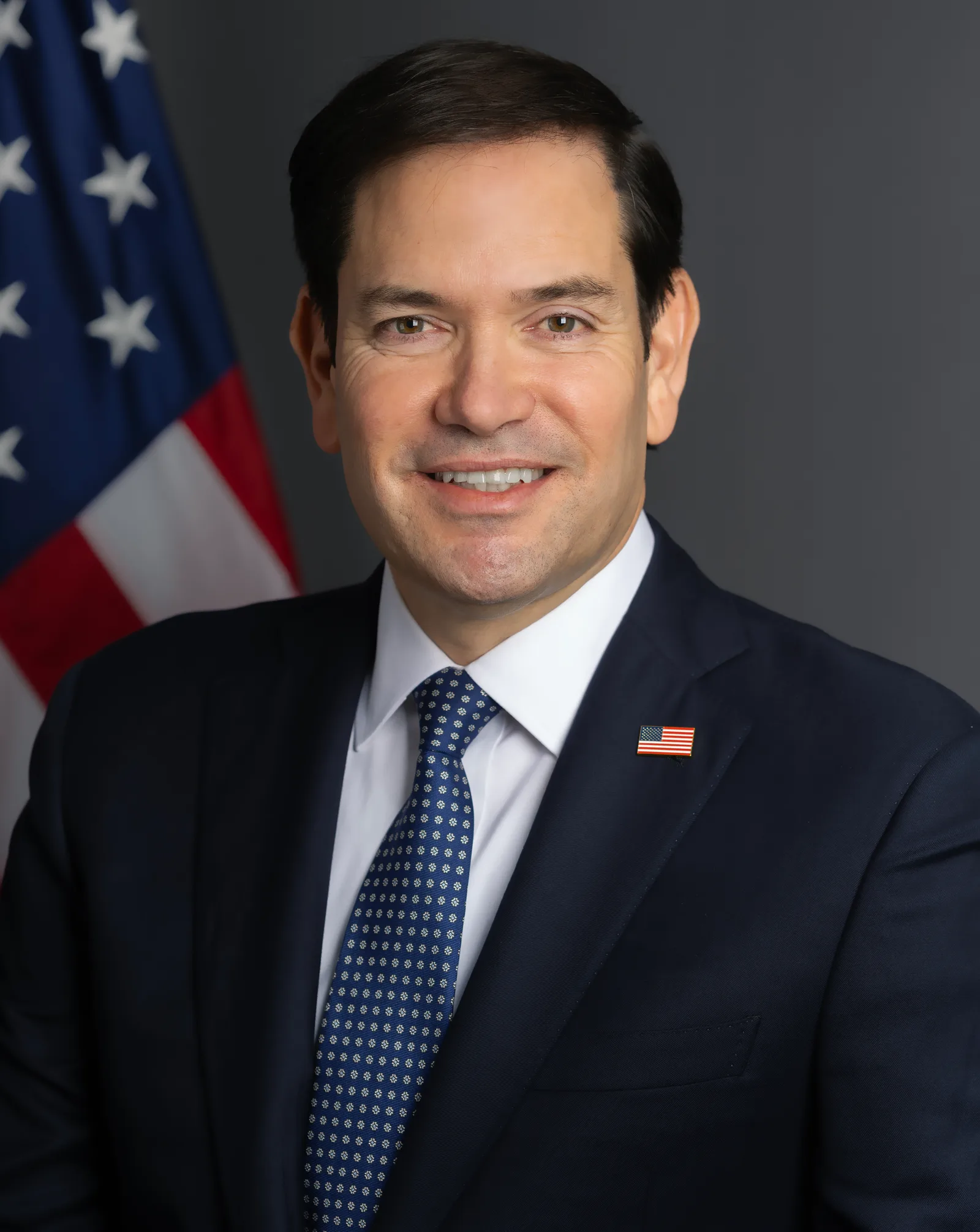 File photo
What happened
Key facts
- U.S. lawmakers urged Marco Rubio to question India about its handling of CJP protests (per telegraphindia.com, moneycontrol.com, The Hindu).
- The lawmakers asked Rubio to raise the issue during his visit to India (per moneycontrol.com, telegraphindia.com, inshorts.com).
- Rubio was scheduled to visit India the following week and meet External Affairs Minister S Jaishankar in Mumbai (per moneycontrol.com).
- In a letter to Rubio, the lawmakers said they were concerned about alleged repression, wrongful detention and excessive force by security forces during student protests in Delhi and other locations in India (per moneycontrol.com).
- Pramila Jayapal raised concern about the draft electoral rolls in India, saying 130 million voters had been purged (per moneycontrol.com).
- India’s Ambassador to the U.S., Vinay Mohan Kwatra, called Jayapal’s remarks unacceptable interference in India’s internal affairs (per moneycontrol.com).
- The lawmakers said the right to vote and the exercise of fundamental freedoms are central to the democratic identities of the United States and India (per moneycontrol.com).
The brief
U.S. lawmakers have asked Secretary of State Marco Rubio to raise India’s handling of CJP protests with Indian officials during his upcoming visit. The appeal was made in a letter to Rubio, according to Moneycontrol, whose account says the lawmakers framed the matter as a concern shared by the United States and India.
The letter described what its authors called a pattern of repression, wrongful detention and excessive force by security forces during student protests in Delhi and other locations across India. Those descriptions are the lawmakers’ allegations; the article does not provide further details about specific arrests or incidents.
The lawmakers asked Rubio to use his visit to bring up the issues with Indian officials. Moneycontrol reported that Rubio was due to visit India the following week and meet External Affairs Minister S Jaishankar in Mumbai. The Hindu, Telegraph India and Inshorts also reported that lawmakers urged Rubio to question India or raise its handling of the CJP protests.
Inshorts’ headline additionally names Mumbai and Jamnagar as destinations, while the article text specifies a meeting with Jaishankar in Mumbai. The letter also addressed voting rights. Moneycontrol reported that Pramila Jayapal expressed concern over what she described as the “purge” of 130 million voters from India’s draft electoral rolls.
The article does not give details about how the figure was calculated or establish the status of the draft rolls. The lawmakers wrote that voting and fundamental freedoms are central to the democratic identities of both countries.
India’s Ambassador to the U.S., Vinay Mohan Kwatra, criticized Jayapal’s remarks, calling them “unacceptable interference in India’s internal affairs,” Moneycontrol reported. This marks a direct difference in the positions described in the account: the lawmakers urged Rubio to raise the issues, while Kwatra objected to Jayapal’s comments as interference.
The article does not report a response from Rubio or Jaishankar. The account also cited the letter’s description of India as the world’s largest democracy, with its own courts, a free press and more than 900 million voters. The lawmakers’ request focuses on raising concerns about protest policing and voting rights in diplomatic discussions during Rubio’s visit.
The reported next step is whether Rubio brings those matters up with Indian officials, including in his meeting with Jaishankar.
Why it matters
- The lawmakers’ letter raises alleged wrongful detention and excessive force by security forces against student protesters in Delhi and other parts of India.
- The dispute concerns voting access: Jayapal cited 130 million voters on draft electoral rolls, while the article does not establish the status or calculation of that figure.
- The lawmakers asked Rubio to raise protest conduct and voting rights in discussions with Indian officials; Kwatra characterized Jayapal’s remarks as interference in India’s internal affairs.
What to watch next
- Whether Rubio raises the protest and voting-rights concerns with Indian officials during his India visit.
- Whether Rubio’s meeting with External Affairs Minister S Jaishankar in Mumbai addresses the issues raised in the lawmakers’ letter.
- Whether Indian officials respond further to the lawmakers’ concerns or Jayapal’s remarks.
How it's being covered
Coverage analysisShow details5 source articles · 5 unique outlets · 2 distinct reportsCoverage mix: Center Only· 4 CenterWhere the outlets are based: Asia 80% · Unknown 20%
- Coverage is currently concentrated among Center-rated outlets (4 of 4 rated sources); comparatively few Left or Right-rated outlets have published on the event.
- Coverage is currently concentrated among outlets based in Asia (4 of 5 geographically-identified sources).
One source is from a wire service (AP, Reuters, AFP or Bloomberg), whose reporting other outlets often republish.
How outlets' accounts compare
Timeline
Developments from this story's sources, dated background we compiled and fact-checked, and our earlier coverage. Each row says which.- India’s constitutional framework dates to January 26, 1950, when the Constitution came into force.Background · from our historical context
- The exchange followed earlier U.S. congressional scrutiny of India, including House Resolution 417, introduced in 2019, which called for protection of religious freedom and equal treatment in India.Background · from our historical context
- Pramila Jayapal had also pressed the U.S. administration on human-rights concerns in India in 2023; India’s government rejected outside criticism of its domestic affairs.Background · from our historical context
How we got here
The immediate backdrop was India’s 2024 general election, held in seven phases from April 19 to June 1, and the subsequent disputes over electoral administration that preceded the lawmakers’ concern about draft rolls.
Pramila Jayapal had also pressed the U.S. administration on human-rights concerns in India in 2023; India’s government rejected outside criticism of its domestic affairs. India’s constitutional framework dates to January 26, 1950, when the Constitution came into force.
Original sources
4 of 5 articles · Asia · Show allEvery story links to the reporting it was built from. How we choose sources
Spotted a factual error, a broken link or a misleading summary? Tell us.