
U.S. security officials advise 10 states on possible Trump election interference risks
Current and former U.S. national security officials have privately advised state officials on preparing for possible federal interference in the November midterm elections. The informal group has consulted officials in 10 states over several months, focusing on actions that could disrupt voting or challenge election results.
AI-assisted synthesis · Based on 6 outlets' reporting · Article text read from 1 of 6 outletsHow it's made
View timeline · 8 entries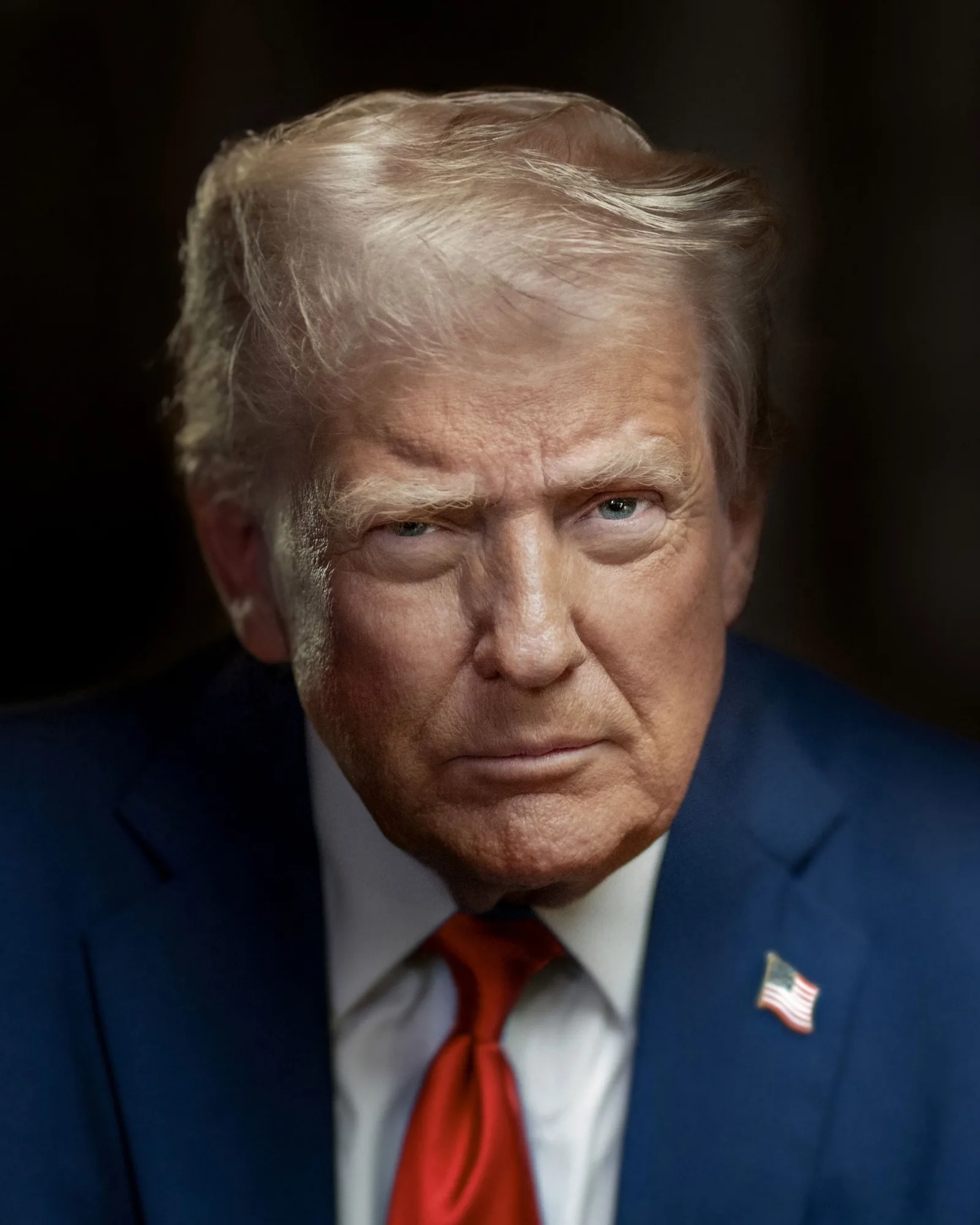 File photo
What happened
Key facts
- Current and former U.S. security officials have privately advised state officials about possible Trump administration interference in the midterm elections (per ibtimes.co.uk, modernghana.com, redlakenationnews.com).
- An informal group of roughly 10 officials has consulted officials from 10 states over several months (per ibtimes.co.uk).
- The advice addresses possible federal actions that could disrupt voting or challenge election results (per ibtimes.co.uk).
- The elections will determine control of the House and Senate for the final two years of Donald Trump's term (per ibtimes.co.uk).
The brief
Current and former U.S. national security officials have privately advised state officials on preparing for possible federal interference by President Donald Trump’s administration in the November midterm elections, according to the account published by the International Business Times UK.
The consultations have involved officials from 10 states and have taken place over several months. The advisory effort is organized by an informal group of roughly 10 current and former officials. Many have experience at the Department of Defense, while some have worked on countering authoritarianism abroad.
The group’s guidance focuses on possible federal actions that could disrupt voting or challenge election results. The Washington Post reported the effort on 20 October, citing people involved in the discussions and documents prepared for the meetings. Its headline describes the officials as advising states concerned about Trump-related election meddling.
The International Business Times UK likewise reports that officials are preparing for possible interference by the administration; the account presents that prospect as a scenario under discussion, not as an action that has already occurred. The elections are scheduled for 3 November.
They will determine which party controls the House and Senate for the final two years of Trump’s term. That congressional outcome is a stated consequence of the vote, while the consultations address possible federal steps affecting voting and the acceptance or challenge of results. The account also notes an earlier federal action involving election materials.
In January, the FBI raided an election office in Fulton County, Georgia, and seized voting materials. The investigation was connected to claims of fraud in the 2020 presidential election. The report does not state that the raid was part of the current advisory effort or establish a connection between the investigation and the scenarios officials are discussing.
The immediate focus is whether the states consulted by the group take any preparation steps concerning the potential disruptions or challenges identified in the advice. The stated scope of the consultations is limited to those possibilities; the report does not describe particular state measures or a specific federal action now underway.
Why it matters
- State election officials in 10 states are the direct recipients of advice about possible federal actions that could disrupt voting or challenge election results.
- Voters in the states consulted could face disruption to voting if the scenarios discussed by the officials occur; the account does not specify affected populations or estimate the scale of any disruption.
- Control of the House and Senate is at stake in the 3 November elections, which will shape Congress for the final two years of Donald Trump’s term.
What to watch next
- Whether officials in the 10 states consulted adopt measures addressing possible voting disruption or challenges to election results.
- Whether any federal action occurs that could disrupt voting or challenge election results.
- The outcome of the 3 November elections and control of the House and Senate for the final two years of Donald Trump’s term.
How it's being covered
Coverage analysisShow details6 source articles · 6 unique outletsOutlet political mix: Mostly Center· 1 Left · 2 Center · 3 unratedWhere the outlets are based: US/Canada 33% · Europe 33% · Other 34%
How outlets' accounts compare
Timeline
Developments from this story's sources, dated background we compiled and fact-checked, and our earlier coverage. Each row says which.- The U.S. Constitution was ratified, assigning states roles in regulating congressional elections and appointing presidential electors.Background · compiled and fact-checked by Updat3
- In *Bush v. Gore*, decided December 12, 2000, the Supreme Court ended the Florida recount dispute, allowing George W. Bush to win the state’s electoral votes.Background · from our historical context
- President George W. Bush signed the Help America Vote Act, establishing federal standards and funding for election systems.Background · compiled and fact-checked by Updat3
- On January 6, 2021, after a rally at which he repeated false claims of election fraud, a mob attacked the U.S. Capitol as Congress met to count electoral votes.Background · from our historical context
- The House’s January 13, 2021, impeachment resolution accused Trump of inciting the attack; he denied wrongdoing.Background · from our historical context
- President Joe Biden signed the Electoral Count Reform and Presidential Transition Improvement Act, revising procedures for counting electoral votes.Background · compiled and fact-checked by Updat3
- Donald Trump won the presidency, and Republicans gained control of the Senate.Background · compiled and fact-checked by Updat3
- Donald Trump was inaugurated for a second, non-consecutive term as U.S. president.Background · compiled and fact-checked by Updat3
How we got here
On January 6, 2025, Congress counted the electoral votes from the 2024 presidential election, in which Donald Trump defeated Kamala Harris; Trump was inaugurated on January 20. The certification followed four years after Trump’s efforts to challenge his 2020 defeat, when he urged officials to revisit results in states including Georgia and disputed the outcome publicly.
On January 6, 2021, after a rally at which he repeated false claims of election fraud, a mob attacked the U.S. Capitol as Congress met to count electoral votes. The House’s January 13, 2021, impeachment resolution accused Trump of inciting the attack; he denied wrongdoing. The U.S.
Original sources
6 articles from 6 outletsEvery story links to the reporting it was built from. How we choose sources
Spotted a factual error, a broken link or a misleading summary? Tell us.