
CENTCOM spokesman says most Iranian attacks on Hormuz fail
A CENTCOM spokesman said the vast majority of Iran’s attempted attacks on the Strait of Hormuz were unsuccessful. The headline does not specify how many attacks were attempted or identify their targets.
AI-assisted synthesis · Based on 6 outlets' reporting · Full text read from 1 of 6 outletsHow it's made
View timeline · 7 entries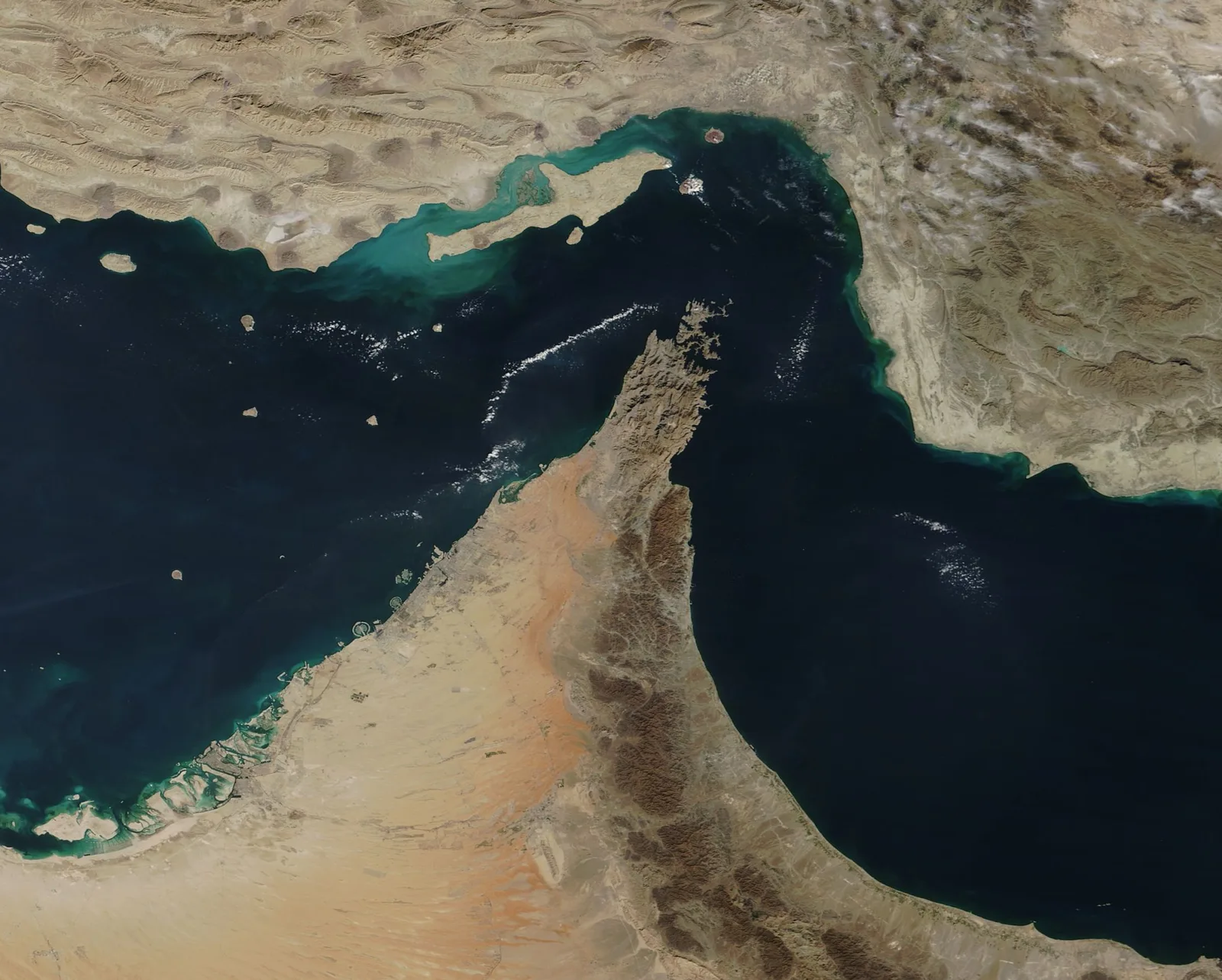 File photo
What happened
The brief
A CENTCOM spokesman said the vast majority of Iran’s attempted attacks on the Strait of Hormuz had been unsuccessful, according to the Fox News headline. The headline does not state how many attacks were attempted, what they targeted, or how the spokesman assessed their outcomes.
Separately, Anadolu Agency reported that Iran’s Navy said another oil tanker caught fire east of the strait. The navy said monitoring teams detected the fire during patrol and surveillance operations. It described the vessel as being in a restricted area and said the tanker had disabled its tracking systems while allegedly trying to navigate the Gulf of Oman.
Iran’s Navy did not identify the ship, its flag or its operator, and did not say what caused the fire. It also gave no information about the crew’s condition or possible casualties. The reported fire therefore does not, on its own, establish that the tanker was involved in an attempted attack of the kind mentioned in the CENTCOM spokesman’s headline.
The navy said the Strait of Hormuz remained under the “full control and surveillance” of Iranian Navy forces and the Islamic Revolutionary Guard Corps Navy. That is the navy’s description of its control over the waterway; the account does not provide an independent assessment of the claim.
It also does not connect the tanker fire to the attempted attacks described by the CENTCOM spokesman. Iran’s Navy cited a similar tanker fire east of the strait on Tuesday, saying that vessel had allegedly entered a restricted area with its tracking systems disabled. The navy’s account does not establish what caused either fire or whether the two incidents were connected.
For the more recent incident, it did not identify the vessel or provide details about the people aboard. The headlines also describe other concerns about shipping in the strait, but they do not supply details that clarify the CENTCOM statement or the tanker fire.
Middle East Monitor’s headline says Iran’s IRGC reported that a second supertanker hit a naval mine in the Strait of Hormuz. NBC News describes ship attacks as reaching a record high and says Iran escalated strikes with little U.S. response.
CBS News says a maritime monitor warned that ships still face “indiscriminate attacks.” Those headlines do not provide figures, further evidence, or additional details about the tanker reported by Iran’s Navy.
Why it matters
- The CENTCOM spokesman’s claim concerns attempted attacks on the Strait of Hormuz, but the headline gives no count of attempts or detail about their targets or outcomes.
- The tanker fire reported by Iran’s Navy raises immediate questions about the crew’s safety; the navy gave no casualty information or account of the crew’s condition.
- Iran’s Navy says its forces and the IRGC Navy maintain full control and surveillance of the strait, while the CENTCOM spokesman’s statement describes most Iranian attempted attacks there as unsuccessful.
What to watch next
- Whether CENTCOM provides the number of attempted attacks and explains what outcomes it counted as unsuccessful.
- Whether Iran’s Navy identifies the tanker, its flag or operator, or provides information about the crew.
- Whether Iran’s Navy or another identified source establishes what caused the tanker fire.
- Whether the reported tanker fire is connected to the attempted attacks described by the CENTCOM spokesman.
How it's being covered
Coverage analysisShow details7 source articles · 6 unique outletsCoverage mix: Mixed· 3 Left · 1 Center · 1 RightWhere the outlets are based: US/Canada 50% · Unknown 33% · Other 17%
How outlets' accounts compare
Timeline
Developments from this story's sources, dated background we compiled and fact-checked, and our earlier coverage. Each row says which.- Iran signed UNCLOS in 1982 but has not ratified it; the United States has also not ratified the convention.Background · from our historical context
- From 1984, Iraq and Iran attacked commercial vessels in what became known as the Tanker War.Background · from our historical context
- In July 1987, the United States began Operation Earnest Will, escorting reflagged Kuwaiti tankers through the Gulf.Background · from our historical context
- On April 18, 1988, US forces carried out Operation Praying Mantis against Iranian naval targets after a US warship struck a mine; Washington said the operation was a response to the mining.Background · from our historical context
- On July 3, 1988, the USS Vincennes shot down Iran Air Flight 655 over the Gulf, killing all 290 people aboard; the US said its crew had mistaken the civilian aircraft for a threat.Background · from our historical context
- The strait’s commercial importance is measurable: the US Energy Information Administration estimated that about 20.9 million barrels of oil per day passed through it in 2023.Background · from our historical context
- In March 2026, the United States and Israel launched coordinated strikes on Iranian power plants, air defenses and military infrastructure, beginning the ongoing war.Background · from our historical context
How we got here
In March 2026, the United States and Israel launched coordinated strikes on Iranian power plants, air defenses and military infrastructure, beginning the ongoing war. The legal framework for passage through the strait is set out in the 1982 United Nations Convention on the Law of the Sea (UNCLOS), which entered into force on November 16, 1994.
Iran signed UNCLOS in 1982 but has not ratified it; the United States has also not ratified the convention. The strait’s commercial importance is measurable: the US Energy Information Administration estimated that about 20.9 million barrels of oil per day passed through it in 2023. The 1980–88 Iran-Iraq War established a precedent for attacks on shipping in the Gulf.
Original sources
2 of 7 articles · Unknown · Show allEvery story links to the reporting it was built from. How we choose sources
Spotted a factual error, a broken link or a misleading summary? Tell us.