
Bessent says Europe declined US tariff push targeting India and China
Scott Bessent said European allies refused a US request to impose secondary tariffs on India and China over their purchases of Russian oil. He said Washington could return to the proposal, while the Graham bill gives the president 60 days to assess the situation.
AI-assisted synthesis · Based on 2 independent reports from 6 outlets · Article text read from 1 of 2 reports · 1 article captured only in partHow it's made
View timeline · 7 entries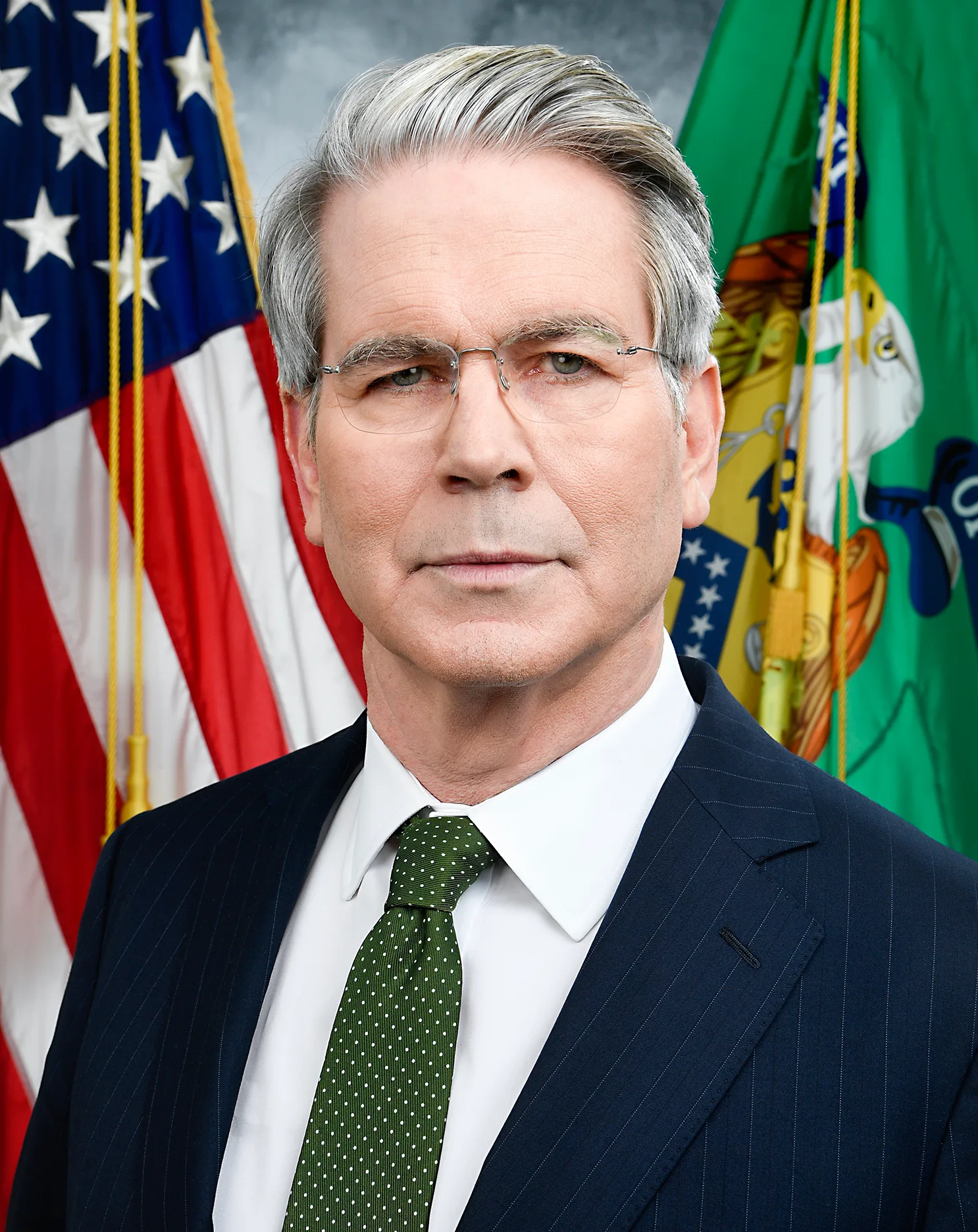 File photo
What happened
Key facts
- Scott Bessent said he asked European allies in the spring to join the United States in imposing secondary tariffs on India and China over their purchases of Russian oil.
- Bessent questioned why the United States should bear the burden of pressuring Moscow alone.
- Bessent said Washington could re-engage with European partners.
- Bessent said Donald Trump wants the Russia-Ukraine war to end.
- Bessent said the Graham bill gives the president 60 days to assess the situation.
- Bessent said the administration had not lifted sanctions on Russia.
The brief
U.S. Treasury Secretary Scott Bessent said European allies declined a U.S. request to impose secondary tariffs on India and China over their purchases of Russian oil. The Times of India reported that Bessent described the refusal in an interview with NBC News’ Meet the Press, questioning why the United States should carry the burden of pressuring Moscow by itself.
Bessent said the Trump administration had approached European allies in the spring about coordinating measures against countries buying Russian energy. He said Washington could re-engage with its European partners, leaving open the possibility of another effort to secure their participation.
The account does not identify which European governments responded or describe their reasons for declining. Bessent also discussed the Graham bill, saying it gives the president 60 days to assess the situation. He said Donald Trump wants the Russia-Ukraine war to end.
The Times of India reported that Bessent said the administration had not lifted sanctions on Russia, addressing the status of sanctions amid the discussion of tariffs and other measures. The account also reported comments from Marco Rubio about Russian energy shipments.
Rubio said 140 cargoes had departed Russia’s Yamal facility in the first six months of the year, and that 136 went to European countries. He named Belgium, Spain, France and the Netherlands among the destinations, and valued the shipments at more than $8 billion.
The figures Rubio cited describe shipments to European countries, while Bessent’s tariff request concerned purchases of Russian oil by India and China. His remarks therefore place the request alongside a separate account of Russian energy cargoes going to Europe; the cited figures do not specify how much of those shipments consisted of oil.
Bessent’s stated next step was that Washington could return to discussions with European partners. The 60-day assessment period he attributed to the Graham bill provides the administration time to consider the situation, but he did not say whether the United States would renew the tariff request or what decision it would make after that review.
Why it matters
- The proposed tariff mechanism concerns India’s and China’s purchases of Russian oil; Bessent said European allies declined to join the U.S. request.
- Bessent questioned why the United States should carry the pressure on Moscow alone, making European participation a stated issue in his account.
- Rubio said 136 of 140 cargoes from Russia’s Yamal facility went to European countries and valued those shipments at more than $8 billion, illustrating the European energy trade discussed alongside the tariff request.
What to watch next
- Whether Washington re-engages with European partners over secondary tariffs, as Bessent said it could.
- What decision the administration makes after the 60-day assessment period Bessent associated with the Graham bill.
- Whether the administration maintains its sanctions on Russia; Bessent said they had not been lifted.
How it's being covered
Coverage analysisShow details6 source articles · 6 unique outlets · 2 distinct reportsOutlet political mix: Too few rated· 1 Center · 5 unratedWhere the outlets are based: Unknown 83% · Asia 17%
- Coverage is currently concentrated among outlets based in Unknown (5 of 6 geographically-identified sources).
How outlets' accounts compare
Timeline
Developments from this story's sources, dated background we compiled and fact-checked, and our earlier coverage. Each row says which.- The United States and European Union imposed sanctions on Russian individuals and businesses after Russia took control of Crimea.Background · compiled and fact-checked by Updat3
- President Donald Trump signed the Countering America’s Adversaries Through Sanctions Act, which codified sanctions related to Russia, Iran and North Korea.Background · compiled and fact-checked by Updat3
- After Russia’s full-scale invasion of Ukraine on February 24, 2022, the United States and European governments imposed sanctions intended to restrict Moscow’s access to finance and energy revenue.Background · from our historical context
- On March 8, 2022, President Joe Biden barred US imports of Russian oil, gas and coal.Background · from our historical context
- The European Union adopted an embargo on most seaborne Russian crude in December 2022, alongside a G7 price cap on Russian seaborne oil that took effect that month.Background · from our historical context
- Senators Lindsey Graham and Richard Blumenthal introduced a bipartisan bill proposing sanctions on Russia and tariffs on countries buying Russian oil.Background · compiled and fact-checked by Updat3
- President Donald Trump signed the Graham Act, which included sanctions and tariffs intended to increase pressure on Russia.Background · compiled and fact-checked by Updat3
How we got here
After Russia’s full-scale invasion of Ukraine on February 24, 2022, the United States and European governments imposed sanctions intended to restrict Moscow’s access to finance and energy revenue. On March 8, 2022, President Joe Biden barred US imports of Russian oil, gas and coal.
The European Union adopted an embargo on most seaborne Russian crude in December 2022, alongside a G7 price cap on Russian seaborne oil that took effect that month. Those measures did not prevent India and China from becoming major buyers of Russian crude, while European countries continued to receive some Russian energy through exemptions and other supply routes.
Original sources
1 of 6 articles · Asia · Show allEvery story links to the reporting it was built from. How we choose sources
Spotted a factual error, a broken link or a misleading summary? Tell us.