
US voters will decide control of Congress in November midterms
US voters will elect all 435 House members and 35 senators, along with governors and state and local officials, in the midterm elections scheduled for November 3, 2026. The results will determine which party controls Congress and affect legislation, government spending and scrutiny of Donald Trump’s administration.
AI-assisted synthesis · Based on 4 independent reports from 5 outlets · Article text read from 1 of 4 reports · 1 article captured only in partHow it's made
View timeline · 7 entries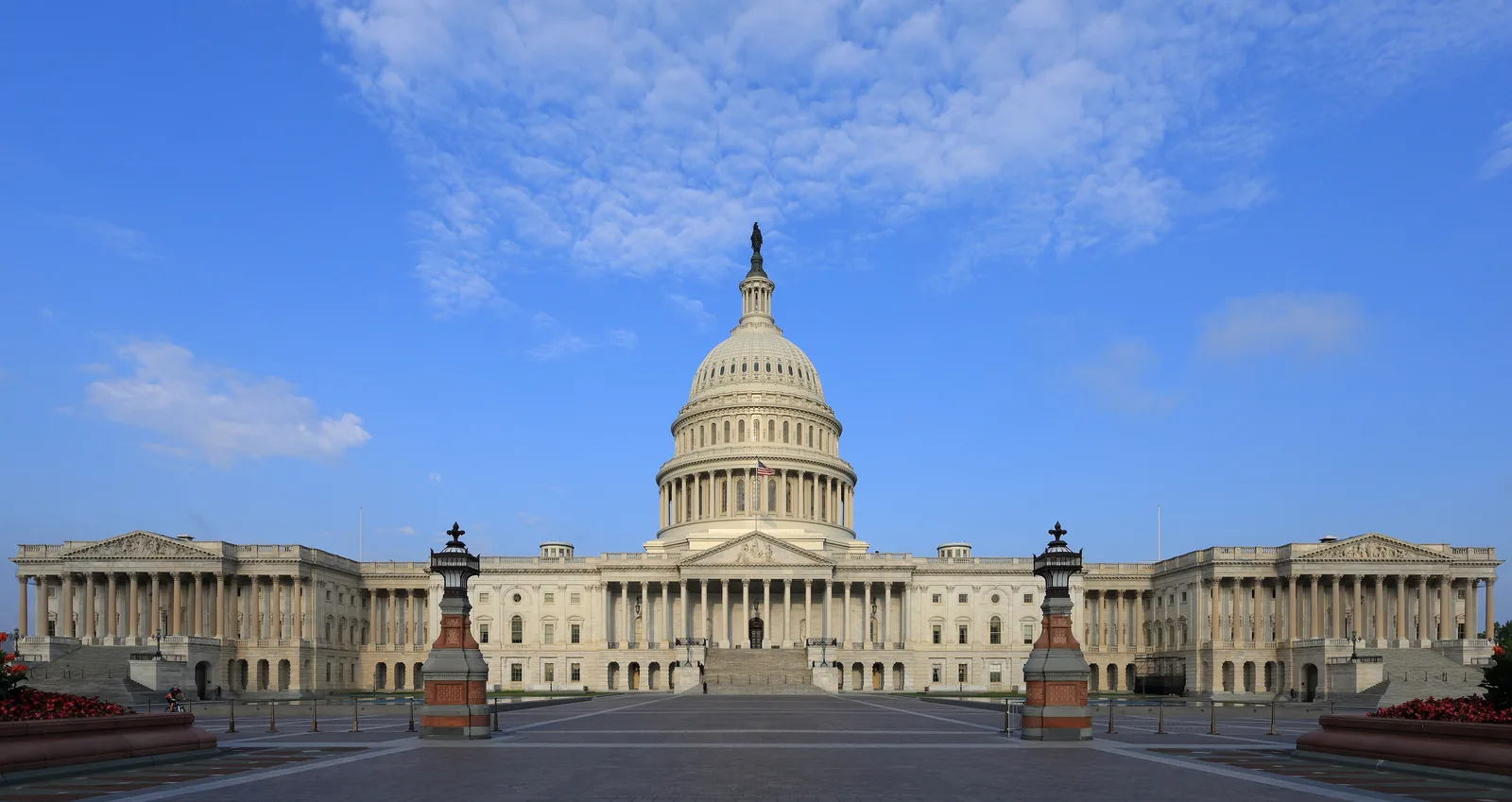 File photo
What happened
Key facts
- The 2026 US midterm elections are scheduled for November 3, 2026 (per cnbctv18.com, The Telegraph, Al Jazeera).
- Voters will choose governors in 36 states and three US territories (per cnbctv18.com).
- Voters will also choose candidates for state and local offices (per cnbctv18.com).
- The election results will determine which party controls Congress (per cnbctv18.com).
The brief
The 2026 US midterm elections will decide which party controls Congress, with voters set to choose all 435 members of the House of Representatives and 35 senators on November 3.
CNBC-TV18 reported that Donald Trump will not appear on the ballot, but the congressional result will affect his administration’s ability to advance legislation and spending priorities and determine the level of congressional scrutiny it faces. The contest extends beyond the two chambers of Congress.
Voters will also choose governors in 36 states and three US territories, as well as candidates for state and local offices. Those races will take place alongside the congressional elections, making the ballot a mix of federal, state and local contests. Control of the House and Senate is the central institutional outcome identified in CNBC-TV18’s account.
The elections will decide which party holds each chamber; the article says that outcome will affect legislation and government spending, as well as oversight of Trump’s administration. It does not specify which party currently holds either chamber or predict which party will win.
Trump’s absence from the ballot does not remove his administration from the stakes described in the report. CNBC-TV18 characterizes the elections as a measure of the president and his Republican Party’s standing among voters, while noting that the results could affect the administration’s remaining two years in office.
That is the outlet’s account of the election’s political significance, not a separate election result or a claim that Trump himself is seeking office in these races. The electoral process has already passed through most state primaries: CNBC-TV18 reports that most states had completed them by September 15.
The outlet also says the midterms occur halfway through a president’s four-year term. These details place the November vote in the regular midterm cycle without changing the central point that voters will choose legislators and other officials rather than elect a president.
The next defined event is Election Day on November 3, when voters will select congressional representatives, governors and other state and local officials. The eventual division of seats in the House and Senate will establish party control of Congress, with consequences for legislation, federal spending and scrutiny of the Trump administration, according to CNBC-TV18.
Why it matters
- The 435 House seats and 35 Senate seats determine which party controls Congress, shaping the legislative and spending decisions identified in the report.
- The Trump administration faces potential congressional scrutiny; the election results will determine the party balance in Congress that conducts that scrutiny.
- Governors in 36 states and three US territories, along with state and local candidates, are also on the ballot, making the election consequential beyond federal office.
What to watch next
- Whether voters choose a House majority for either party on November 3, 2026.
- Which party wins control of the Senate’s 35 seats up for election.
- The outcomes of the gubernatorial races in 36 states and three US territories.
- How the results affect legislation, government spending and scrutiny of the Trump administration.
How it's being covered
Coverage analysisShow details6 source articles · 5 unique outlets · 4 distinct reportsOutlet political mix: Mixed· 1 Left · 2 Center · 1 Right · 1 unratedWhere the outlets are based: Europe 40% · Middle East 20% · Other 40%
One source is from a wire service (AP, Reuters, AFP or Bloomberg), whose reporting other outlets often republish.
How outlets' accounts compare
Timeline
Developments from this story's sources, dated background we compiled and fact-checked, and our earlier coverage. Each row says which.- The Constitution was signed, setting two-year terms for House members and six-year terms for senators.Background · compiled and fact-checked by Updat3
- The Seventeenth Amendment, ratified on April 8, 1913, established the direct election of senators by voters; before then, state legislatures selected them.Background · from our historical context
- Republicans gained control of both chambers of Congress in the midterm elections during Bill Clinton’s presidency.Background · compiled and fact-checked by Updat3
- Democrats gained control of the House while Republicans retained the Senate in Donald Trump’s first midterm election.Background · compiled and fact-checked by Updat3
- Republicans won control of the House while Democrats retained control of the Senate in the midterm elections.Background · compiled and fact-checked by Updat3
- In the November 5, 2024, elections, Republicans won the presidency and retained a majority in the House while gaining a Senate majority.Background · from our historical context
- Donald Trump was inaugurated for a second, non-consecutive term as U.S. president.Background · compiled and fact-checked by Updat3
How we got here
In the November 5, 2024, elections, Republicans won the presidency and retained a majority in the House while gaining a Senate majority. The 119th Congress convened on January 3, 2025, with Republicans controlling both chambers, and Donald Trump was inaugurated on January 20, 2025.
The previous midterms, held on November 8, 2022, produced a different split: Republicans won the House, while Democrats retained Senate control after a runoff in Georgia on December 6, 2022, gave them 51 seats, counting independents who caucused with them. The election cycle rests on the Constitution’s design.
Original sources
1 of 6 articles · Africa · Show allEvery story links to the reporting it was built from. How we choose sources
Spotted a factual error, a broken link or a misleading summary? Tell us.