
Brazil’s Lula faces heavy public debt and widespread overdue payments
Brazilian President Lula da Silva faces public debt above 82% of GDP and widespread overdue payments as he enters a new term. His government plans debt relief for households and some small businesses while seeking to protect social programs and meet budget targets.
AI-assisted synthesis · Based on 5 outlets' reporting · Article text read from 1 of 5 outletsHow it's made
View timeline · 8 entries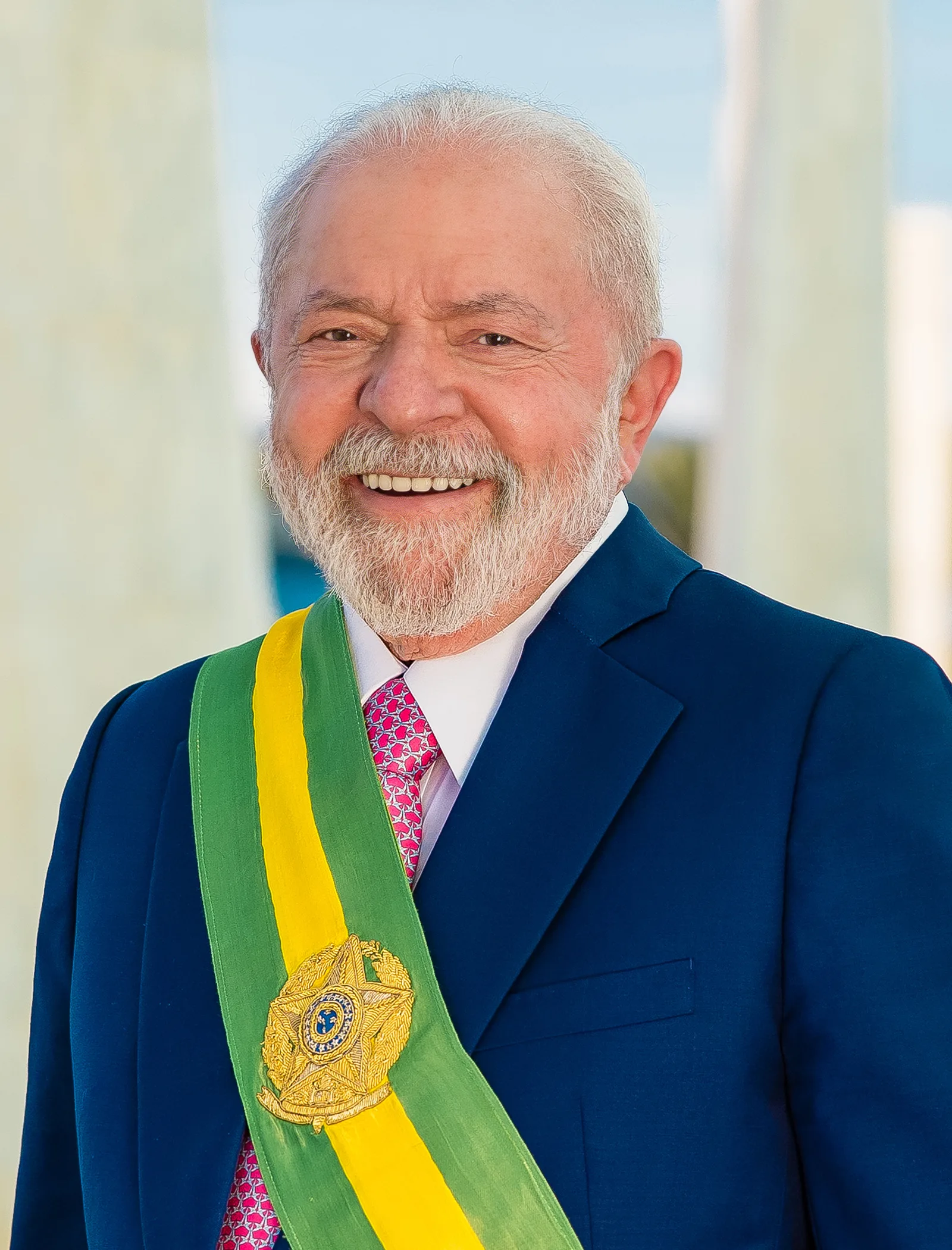 File photo
What happened
Key facts
- Brazil’s public debt has risen to more than 82% of GDP, increasing borrowing costs.
- Lula da Silva’s economic team says it will maintain budget rules that limit spending increases and target a primary budget surplus.
- Nearly 84 million people and 9.3 million businesses have fallen behind on debt payments.
- The five challenges identified are public debt, interest rates and inflation, household and business debt, tax reform, and building political consensus.
- Mandatory spending has grown, limiting flexibility in the federal budget.
- The Brazilian central bank has held interest rates at 13.75%, while annual inflation stood at 4.6%, above its stated target range of 1.5% to 4.5%.
The brief
Lula da Silva won a fourth term as Brazil’s president in the second round of the October 25 election, Vietnam.vn reports. Headlines from Open the Magazine and AOL.co.uk also describe Lula as winning a fourth term; neither headline supplies further details about the result.
Vietnam.vn says the new term brings economic challenges involving public debt, interest rates and inflation, household and business debt, tax reform, and political consensus. The outlet reports that Brazil’s public debt has risen above 82% of gross domestic product, a level it links to increased borrowing costs.
It also says growth in mandatory spending has narrowed the federal budget’s flexibility. These constraints frame the fiscal challenge facing Lula’s government as it begins its new term. Lula’s economic team says it plans to keep budget rules that restrict spending increases and aim for a primary budget surplus.
Vietnam.vn does not provide a timetable for the target or describe how the government would balance it with other spending priorities. The outlet identifies protecting social programs as a concern in its summary of the government’s plans. Vietnam.vn says Brazil’s central bank has held interest rates at 13.75%, while annual inflation stood at 4.6%.
That inflation figure was above the outlet’s stated target range of 1.5% to 4.5%. The account identifies borrowing costs and inflation as pressures facing the new administration, without assigning responsibility for the central bank’s rate decision to Lula’s government.
The debt burden extends to households and businesses: Vietnam.vn reports that nearly 84 million people and 9.3 million businesses have fallen behind on debt payments. It says Lula’s government plans debt relief for households and some small businesses. The outlet does not give the program’s terms or say how many borrowers would qualify.
Tax reform and the pursuit of political consensus are also on the outlet’s list of challenges. Vietnam.vn says the government is completing steps to announce an effective tax rate, which it says analysts predict will be around 28%. It does not identify those analysts or provide details of the rate’s design.
France 24’s headline likewise points to challenges facing Lula in his fourth term, while Yahoo’s headline characterizes the subject as five economic challenges; those headlines do not state what the challenges are.
Why it matters
- Nearly 84 million people and 9.3 million businesses are behind on debt payments, according to Vietnam.vn; the outlet says the government plans relief for households and some small businesses.
- Public debt above 82% of GDP is linked by Vietnam.vn to higher borrowing costs, while mandatory spending limits flexibility in the federal budget.
- The reported 13.75% interest rate and 4.6% annual inflation figure sit alongside an inflation target range of 1.5% to 4.5%, the economic conditions Vietnam.vn identifies for Lula’s new term.
What to watch next
- Whether Lula’s economic team maintains budget rules limiting spending increases and pursues its primary budget surplus target.
- The terms of the government’s planned debt relief for households and some small businesses.
- The government’s announcement of the effective tax rate; Vietnam.vn says analysts predict it will be around 28%.
- How the government addresses the five challenges Vietnam.vn identifies: public debt, interest rates and inflation, household and business debt, tax reform, and political consensus.
How it's being covered
Coverage analysisShow details5 source articles · 5 unique outletsOutlet political mix: Mixed· 1 Left · 3 Center · 1 RightWhere the outlets are based: Europe 40% · Unknown 40% · Other 20%
How outlets' accounts compare
Timeline
Developments from this story's sources, dated background we compiled and fact-checked, and our earlier coverage. Each row says which.- Luiz Inácio Lula da Silva helped found Brazil’s Workers’ Party.Background · compiled and fact-checked by Updat3
- Brazil enacted the Fiscal Responsibility Law, setting rules for public accounts at all levels of government.Background · compiled and fact-checked by Updat3
- Brazil adopted Constitutional Amendment 95, limiting federal spending growth to inflation.Background · compiled and fact-checked by Updat3
- Brazil enacted Constitutional Amendment 103, changing retirement rules.Background · compiled and fact-checked by Updat3
- Luiz Inácio Lula da Silva took office as Brazil’s president for a third, nonconsecutive term.Background · compiled and fact-checked by Updat3
- Household debt relief also had a recent precedent before the new term: in July 2023, Lula’s government launched Desenrola Brasil, a program to renegotiate overdue consumer debts.Background · from our historical context
- In August 2023, Congress approved Complementary Law 200, which tied federal spending growth to revenue growth within limits and set targets for the primary balance.Background · from our historical context
- In December 2023, Constitutional Amendment 132 began a transition toward a value-added tax system, with implementation scheduled to unfold over several years.Background · from our historical context
How we got here
Before Lula began his 2023–2026 presidential term on January 1, 2023, Brazil’s fiscal debate had already shifted from the spending cap adopted in 2016 toward a replacement budget rule. In August 2023, Congress approved Complementary Law 200, which tied federal spending growth to revenue growth within limits and set targets for the primary balance.
The 2016 cap, Constitutional Amendment 95, had limited federal spending growth to inflation for 20 years. Its adoption followed Brazil’s 2014–2016 recession and worsening public finances; Congress later amended or bypassed it for particular expenditures.
Original sources
5 articles from 5 outletsEvery story links to the reporting it was built from. How we choose sources
Spotted a factual error, a broken link or a misleading summary? Tell us.