
Iran proposes seven-day plan to reopen Strait of Hormuz
Iran proposed a seven-day plan with seven conditions to reopen the Strait of Hormuz under an Islamabad framework. WANA says Iran opposes nuclear negotiations on national-security grounds, while the United States is seeking talks on the issue.
AI-assisted synthesis · Based on 3 independent reports from 4 outlets · Article text read from 1 of 3 reportsHow it's made
View timeline · 9 entries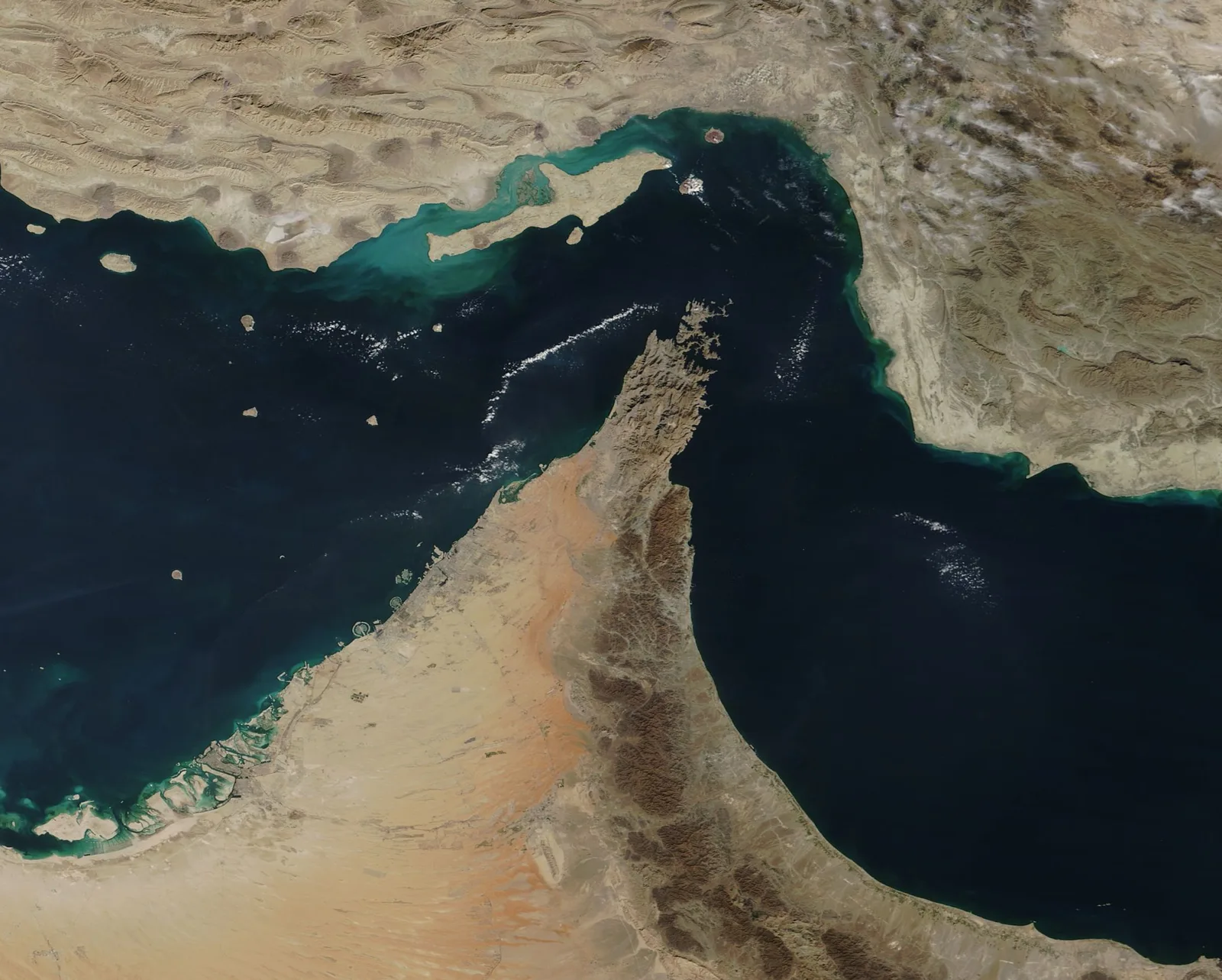 File photo
What happened
Key facts
- Iran proposed a plan to discuss reopening the Strait of Hormuz within seven days (per wanaen.com, unn.ua).
- The plan's framework is consistent with an Islamabad understanding (per wanaen.com).
- Iran's proposal is also described as consistent with an agreement with Oman (per wanaen.com).
- Iran says negotiations over its nuclear program conflict with its national-security interests (per wanaen.com).
- The United States wants negotiations on the nuclear issue and proposed a plan on that subject about a month earlier (per wanaen.com).
- WANA says diplomatic efforts to find a solution and ease tensions between Iran and the United States have intensified (per wanaen.com).
- WANA says disagreements over Iran's conditions, Washington's demand for nuclear negotiations, and Tehran's doubts about the other side's commitment are obstacles to progress (per wanaen.com).
The brief
Iran has put forward a seven-day, seven-condition proposal to reopen the Strait of Hormuz under a framework that WANA says aligns with an understanding reached in Islamabad. The proposal also accords with an agreement with Oman, according to WANA. The account presents the plan as part of diplomatic efforts involving Iran and the United States.
The proposal's stated timeline is seven days, and its stated terms number seven. The unn.ua headline also says Iran proposed talks with the United States on reopening the strait “within seven days.” Neither account specifies the conditions themselves, so the proposal's substantive requirements cannot be described here. The central disagreement concerns nuclear negotiations.
WANA says Iran considers talks about its nuclear program incompatible with its national-security interests. The United States, by contrast, wants negotiations on the nuclear issue; WANA says Washington proposed a plan on that subject about a month earlier. The account does not present a U.S. statement addressing the seven-day reopening proposal.
WANA describes diplomatic efforts to find a solution and ease tensions between the two governments as intensified amid escalating threats. It identifies the competing positions on nuclear talks, Iran's conditions, and Tehran's doubts about the other party's commitment to possible agreements as obstacles to progress.
These are WANA's assessments of the diplomatic picture, rather than a reported agreement between the governments. The report links the proposed reopening plan to the Islamabad understanding and the agreement with Oman, but does not describe the terms of either arrangement.
Its account therefore identifies the frameworks Iran's plan is said to follow without explaining how they relate to the seven conditions or the proposed timeline. The immediate diplomatic question is whether the two governments can advance the reopening proposal while maintaining their opposing positions on nuclear negotiations.
WANA's account identifies Iran's conditions and the U.S. demand for nuclear talks as the principal points separating them; it does not report that either government has accepted the other's position.
Why it matters
- The proposal concerns reopening the Strait of Hormuz, with a seven-day timeline and seven conditions identified by WANA.
- Iran says nuclear negotiations conflict with its national-security interests, while the United States seeks talks on the nuclear issue.
- WANA identifies Iran's conditions, Washington's nuclear-talks demand, and Tehran's doubts about commitment as obstacles to progress.
- The proposal is linked by WANA to an Islamabad understanding and an agreement with Oman.
What to watch next
- Whether Iran advances its seven-condition plan to reopen the Strait of Hormuz within the proposed seven-day period.
- Whether the United States addresses Iran's proposal or its seven conditions.
- Whether Iran and the United States make progress on the nuclear negotiations Washington seeks and Iran says conflict with its national-security interests.
- Whether the Islamabad understanding and the agreement with Oman feature in further diplomatic steps.
How it's being covered
Coverage analysisShow details4 source articles · 4 unique outlets · 3 distinct reportsOutlet political mix: Too few rated· 1 Center · 3 unratedWhere the outlets are based: Unknown 50% · US/Canada 25% · Other 25%
How outlets' accounts compare
Timeline
Developments from this story's sources, dated background we compiled and fact-checked, and our earlier coverage. Each row says which.- The roots of the US-Iran dispute reach back to the August 19, 1953, coup, in which US and British intelligence helped overthrow Prime Minister Mohammad Mossadegh and restore Shah Mohammad Reza Pahlavi’s authority.Background · from our historical context
- The United States began escorting reflagged Kuwaiti tankers in the Persian Gulf under Operation Earnest Will.Background · compiled and fact-checked by Updat3
- On April 18, 1988, the United States carried out Operation Praying Mantis against Iranian naval targets after a US warship struck a mine; Washington described its action as a response to the mining.Background · from our historical context
- Iran and world powers agreed to the Joint Comprehensive Plan of Action, placing limits on Iran’s nuclear activities in exchange for sanctions relief.Background · compiled and fact-checked by Updat3
- President Donald Trump announced that the United States would withdraw from the Joint Comprehensive Plan of Action.Background · compiled and fact-checked by Updat3
- The United States and Israel launched coordinated strikes across Iran.Background · compiled and fact-checked by Updat3
- Iran announced that vessels passing through the Strait of Hormuz would need prior authorization from the IRGC Navy.Background · compiled and fact-checked by Updat3
- The United States and Iran signed a memorandum of understanding concerning freedom of navigation in the Strait of Hormuz; implementation later stalled over security disagreements.Background · compiled and fact-checked by Updat3
- Iran presented a proposal to reopen the Strait of Hormuz after an interim ceasefire collapsed.Background · compiled and fact-checked by Updat3
How we got here
About a month before the proposal, Washington put forward a plan focused on negotiations over Iran’s nuclear program; Iran has said those talks conflict with its national-security interests.
The proposal’s reported connection to an Islamabad framework came against the backdrop of the US-Israel war with Iran, which began on February 28, 2026, when the United States and Israel launched coordinated strikes on Iranian power plants, air defenses and military infrastructure.
Original sources
1 of 4 articles · US/Canada · Show allEvery story links to the reporting it was built from. How we choose sources
Spotted a factual error, a broken link or a misleading summary? Tell us.