
Rubio defends Russia sanctions waiver ahead of Mumbai visit
Marco Rubio defended President Donald Trump’s decision to temporarily waive sanctions on Russia before his scheduled visit to India, saying countries such as India cannot quickly stop buying Russian energy. Rubio is due to arrive in Mumbai on October 20 for a two-day visit, while another report describes his wider trip as including a business delegation of more than 200 executives.
AI-assisted synthesis · Based on 5 outlets' reporting · Article text read from 2 of 5 outletsHow it's made
View timeline · 8 entries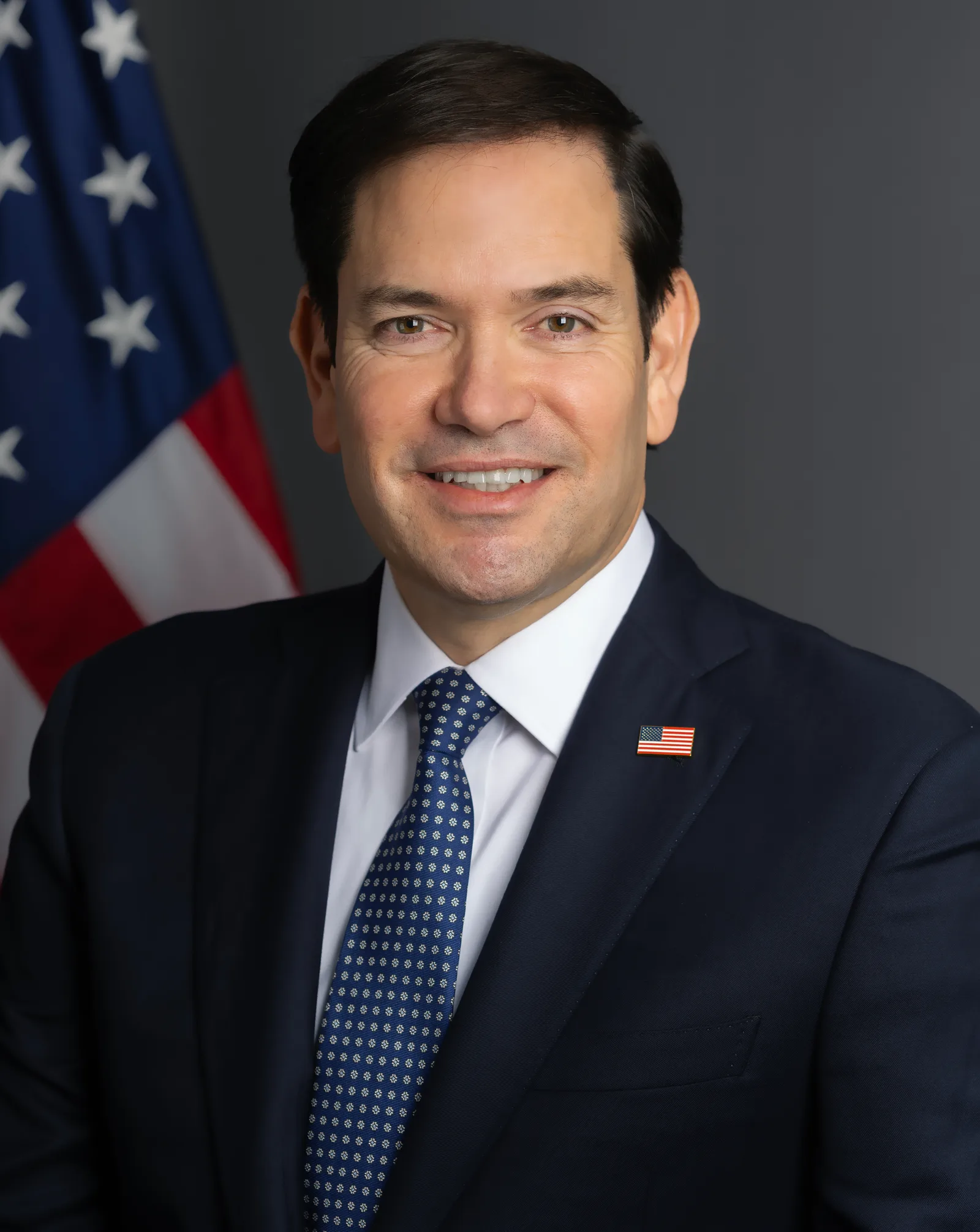 File photo
What happened
Key facts
- Rubio said India had diversified its energy sources but still received a substantial amount of energy from Russia, and that changing suppliers quickly was difficult (per businesstoday.in, thenews.com.pk).
- Rubio said the waivers were included in the bill to give countries time to study the effects amid changing circumstances (per businesstoday.in).
- Rubio was scheduled to arrive in Mumbai on Tuesday, October 20, for a two-day visit to India (per businesstoday.in, thenews.com.pk).
- In August 2025, the administration imposed an additional 25 per cent tariff on Indian goods over purchases of Russian energy (per businesstoday.in).
- Rubio’s trip included Central Asia and India, and he was scheduled to visit Samarkand on Sunday to meet leaders from the C5+1 (per thenews.com.pk).
- More than 200 business executives were due to accompany Rubio to Uzbekistan, according to the State Department (per thenews.com.pk).
The brief
Marco Rubio defended President Donald Trump’s decision to temporarily waive sanctions on Russia ahead of a scheduled visit to Mumbai, arguing that India cannot quickly replace Russian energy supplies. The U.S. secretary of state’s remarks place energy purchases and the terms of the sanctions waiver alongside the diplomatic and business agenda of his India trip.
Speaking to reporters at Joint Base Andrews before departing for India, Rubio said India had diversified its energy portfolio but continued to obtain a substantial amount of energy from Russia. He described a rapid shift away from those supplies as difficult.
Rubio also said the waivers in the bill reflected a need to give countries time to assess the effects amid changing circumstances. The order also waived 100 per cent tariffs for the five largest purchasers of Russian oil and gas, including India and China, according to Business Today.
The same outlet reported that the administration had imposed an additional 25 per cent tariff on Indian goods over purchases of Russian energy in August 2025. Those details frame the Mumbai visit against a policy that combines sanctions waivers with tariffs tied to energy trade. Rubio was scheduled to arrive in Mumbai on Tuesday, October 20, for a two-day visit to India.
A separate report by The News said his wider trip included Central Asia and India, with a scheduled stop in Samarkand to meet leaders from the C5+1. That grouping comprises the United States and Uzbekistan, Kazakhstan, Kyrgyzstan, Tajikistan and Turkmenistan.
The News also described Rubio’s Central Asia itinerary as a diplomatic tour accompanied by more than 200 business executives, citing the State Department for the delegation’s size on the Uzbekistan leg. The outlet characterized the trip as aimed at expanding commercial ties and countering Russian and Chinese influence.
That account supplies a business and regional dimension to the schedule, while Business Today focuses on the energy-policy issue Rubio addressed before his India visit.
The two accounts therefore emphasize different aspects of the itinerary rather than presenting incompatible accounts of the same event: one details Rubio’s defense of the waiver and the tariff provisions affecting energy purchasers, while the other highlights the Central Asian meetings and executive delegation.
The reports do not establish how Indian officials will address those issues during Rubio’s Mumbai visit. For India, the immediate policy context is the contrast between the reported additional tariff on Indian goods over Russian energy purchases and the waiver from tariffs for major purchasers of Russian oil and gas.
Rubio’s stated position is that India has diversified but cannot pivot away from Russian supplies overnight. The scheduled Mumbai meetings will take place as that explanation and the wider business itinerary define the public context of the visit.
Why it matters
- Indian goods faced an additional 25 per cent tariff over purchases of Russian energy, while the order waived 100 per cent tariffs for the five largest purchasers of Russian oil and gas, including India and China.
- Indian energy buyers are the population directly implicated by Rubio’s statement that India still gets a substantial amount of energy from Russia and cannot change suppliers quickly.
- The U.S. administration’s policy combines sanctions waivers and tariff measures; Rubio said the waivers were intended to allow countries time to assess their effects.
- The State Department said more than 200 business executives would accompany Rubio to Uzbekistan, while The News framed the trip as seeking commercial ties and countering Russian and Chinese influence.
What to watch next
- Whether Rubio arrives in Mumbai on October 20 for the scheduled two-day visit.
- Whether Rubio meets Indian officials during the Mumbai visit and how they address Russian energy purchases and the tariff measures.
- Whether Rubio proceeds to Samarkand to meet leaders from the C5+1.
- Whether the State Department’s planned delegation of more than 200 business executives accompanies Rubio to Uzbekistan.
How it's being covered
Coverage analysisShow details5 source articles · 5 unique outletsOutlet political mix: Too few rated· 2 Center · 3 unratedWhere the outlets are based: Asia 80% · Middle East 20%
- Coverage is currently concentrated among outlets based in Asia (4 of 5 geographically-identified sources).
How outlets' accounts compare
2 framing differences · 2 uncorroborated claims · 2 information gaps- Business Today focuses on Rubio’s defense of the Russia sanctions waiver, India’s energy purchases and tariff provisions; The News emphasizes the Central Asia itinerary, business delegation and stated aim of countering Russian and Chinese influence.
- Business Today reports Rubio’s explanation of the waivers and India’s energy constraints; The News attributes the delegation size on the Uzbekistan leg to the State Department.
- Rubio said it was difficult for India to pivot away from Russian energy from one day to the next.
- The News characterized the trip as intended to deepen commercial ties and counter Russian and Chinese influence.
- The reports do not provide the text of the sanctions order or identify the bill containing the waivers.
- The reports do not give figures for India’s Russian energy imports or quantify the effect of the tariffs and waivers on Indian trade.
Timeline
Developments from this story's sources, dated background we compiled and fact-checked, and our earlier coverage. Each row says which.- Russia annexed Crimea after taking control of the peninsula.Background · compiled and fact-checked by Updat3
- Russia, Ukraine, France and Germany agreed to the Minsk II measures for the conflict in eastern Ukraine.Background · compiled and fact-checked by Updat3
- President Donald Trump signed the Countering America’s Adversaries Through Sanctions Act, which codified sanctions related to Russia, Iran and North Korea.Background · compiled and fact-checked by Updat3
- President Joe Biden signed Executive Order 14024, authorizing sanctions related to specified harmful foreign activities by the Russian government.Background · compiled and fact-checked by Updat3
- Russia launched its full-scale invasion of Ukraine.Background · compiled and fact-checked by Updat3
- On December 5, 2022, the G7, European Union and Australia introduced a price cap on seaborne Russian crude, alongside an EU ban on most seaborne Russian oil imports.Background · from our historical context
- In August 2025, the administration imposed an additional 25 per cent tariff on Indian goods over purchases of Russian energy.
- President Donald Trump signed the Graham Act, which included sanctions and tariffs intended to increase pressure on Russia.Background · compiled and fact-checked by Updat3
How we got here
In August 2025, the Trump administration imposed an additional 25 percent tariff on Indian goods over India’s purchases of Russian energy. After Russia’s full-scale invasion of Ukraine on February 24, 2022, the United States and other governments imposed sanctions on Russia; India continued buying Russian oil, which became a major point of friction with Washington.
The sanctions framework included Executive Order 14024, signed by President Joe Biden on April 15, 2021, and expanded after the invasion, as well as the 2017 Countering America’s Adversaries Through Sanctions Act. On December 5, 2022, the G7, European Union and Australia introduced a price cap on seaborne Russian crude, alongside an EU ban on most seaborne Russian oil imports.
Original sources
4 of 5 articles · Asia · Show allEvery story links to the reporting it was built from. How we choose sources
Spotted a factual error, a broken link or a misleading summary? Tell us.