
U.N. calls for El Niño preparations as food and water risks grow
Tom Fletcher urged broader international action ahead of a potentially powerful El Niño, warning that climate impacts could worsen food insecurity for 50 million people. The WMO projected tropical Pacific sea-surface temperatures could reach 3.8°C above average from November 2026 through January 2027, while CERF had released more than $50 million for preparedness in 11 countries.
AI-assisted synthesis · Based on 2 outlets' reporting · Article text read from 1 of 2 outletsHow it's made
View timeline · 8 entries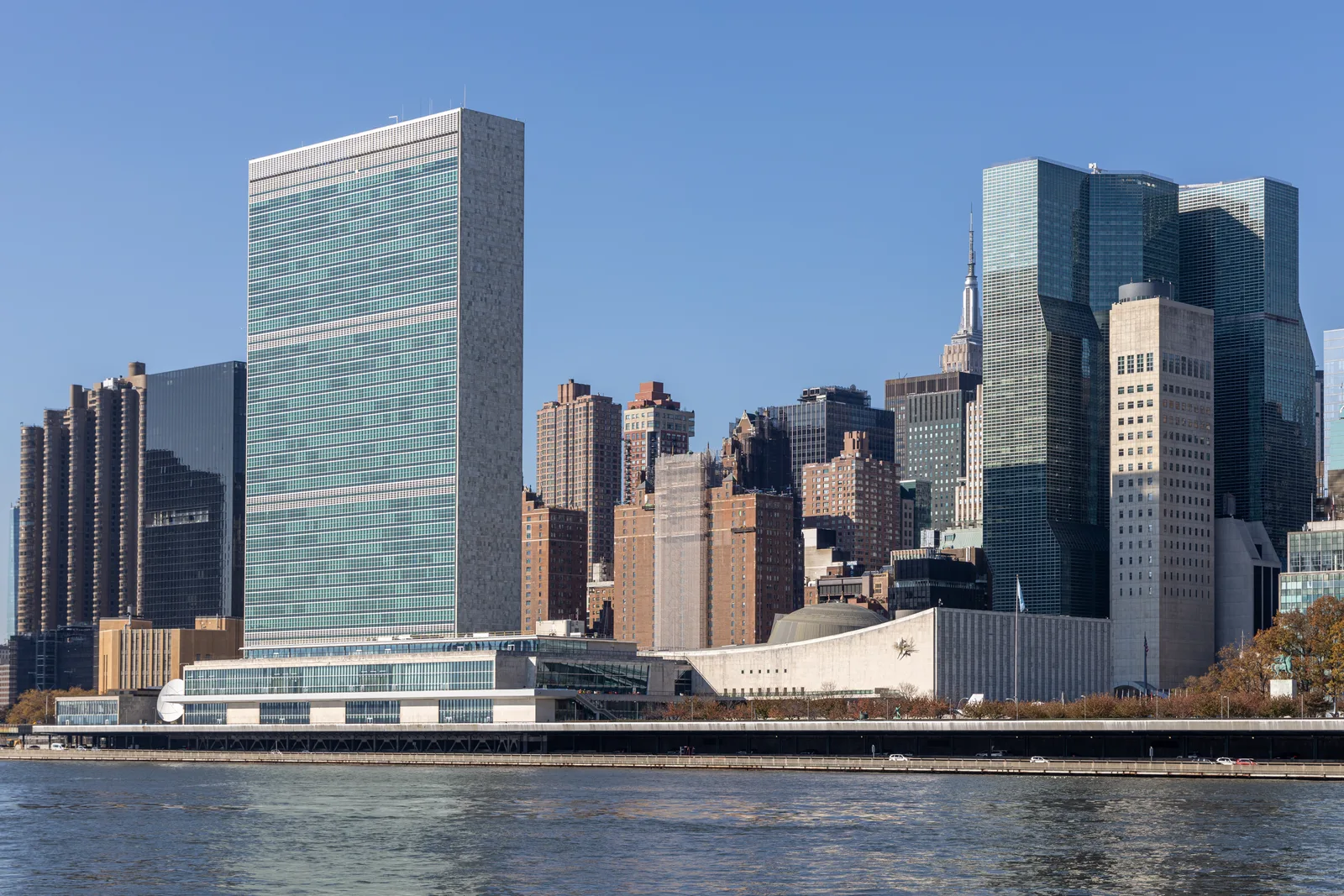 File photo
What happened
Key facts
- Tom Fletcher called for broader international action ahead of a potentially powerful El Niño, citing risks to food, water and livelihoods (per econotimes.com).
- Fletcher said climate impacts could worsen food insecurity for 50 million people (per econotimes.com).
- The WMO outlook identified greater flood concerns in parts of East Africa and increased dry-condition risks in Southern Africa (per econotimes.com).
The brief
Tom Fletcher urged broader international action ahead of a potentially powerful El Niño, citing risks to food, water and livelihoods. The World Meteorological Organization (WMO) projected tropical Pacific sea-surface temperatures could reach 3.8°C above average from November 2026 through January 2027.
Anadolu Agency reported that Fletcher said climate impacts could worsen food insecurity for 50 million people. The WMO outlook points to different hazards across regions. It identifies greater flood concerns in parts of East Africa and increased risks of dry conditions in Southern Africa. Parts of Southeast Asia may face warmer temperatures and rainfall deficits.
These outlooks describe potential conditions, rather than reporting that those impacts have already occurred. The U.N. Central Emergency Response Fund (CERF) had released more than $50 million for preparedness in 11 countries, according to the account published by The EconoTimes. The report names Chad, El Salvador, Ethiopia, Somalia and South Sudan among them.
Fletcher called for wider international mobilization, linking preparation to risks for food, water and livelihoods. WMO Secretary-General Celeste Saulo said on Oct. 21 that the event’s potential strength could exceed the monitoring range used over the past four decades.
The EconoTimes also reported that the WMO outlook projected the Pacific temperature rise for the November 2026-to-January 2027 period. The reported projection does not specify the eventual temperature outcome; it presents a forecast range and period.
A Pacific Media Network headline separately said El Niño was tightening its grip on the Pacific and that authorities warned of drought and extreme weather. It does not provide further details about the authorities or the specific risks in its headline. The EconoTimes account gives regional detail on potential flooding, dry conditions, heat and rainfall deficits.
The immediate focus in Fletcher’s appeal is broader mobilization and preparedness amid the forecast risks. CERF’s reported funding provides one concrete measure of preparation already under way, while the WMO outlook identifies the areas and hazards flagged in its projections. The account does not specify additional funding decisions or a timetable for further action.
Why it matters
- Fletcher warned that climate impacts could worsen food insecurity for 50 million people.
- The WMO outlook flags potential flood concerns in parts of East Africa and dry-condition risks in Southern Africa, with warmer temperatures and rainfall deficits possible in parts of Southeast Asia.
- CERF had released more than $50 million for preparedness in 11 countries, including Chad, El Salvador, Ethiopia, Somalia and South Sudan.
What to watch next
- Whether the WMO’s projected tropical Pacific sea-surface temperatures reach the forecast level of 3.8°C above average from November 2026 through January 2027.
- Whether the regional hazards identified by the WMO—flood concerns in parts of East Africa, dry-condition risks in Southern Africa, and warmer temperatures and rainfall deficits in parts of Southeast Asia—materialize.
- Whether Fletcher’s call for wider international mobilization is followed by further preparedness action.
How it's being covered
Coverage analysisShow details2 source articles · 2 unique outletsOutlet political mix: Not enough rated outletsWhere the outlets are based: Asia 100%
- Coverage is currently limited to 2 outlets.
How outlets' accounts compare
Timeline
Developments from this story's sources, dated background we compiled and fact-checked, and our earlier coverage. Each row says which.- Jacob Bjerknes published an account of interactions between tropical Pacific ocean temperatures, trade winds and atmospheric circulation during El Niño.Background · compiled and fact-checked by Updat3
- A major El Niño developed in the tropical Pacific, bringing unusually high sea levels to parts of the U.S. West Coast.Background · compiled and fact-checked by Updat3
- A severe El Niño developed in the Pacific.Background · compiled and fact-checked by Updat3
- The U.N. General Assembly established the Central Emergency Response Fund through Resolution 60/124.Background · compiled and fact-checked by Updat3
- A strong El Niño developed, bringing drought and crop losses to parts of Asia and Africa.Background · compiled and fact-checked by Updat3
- The Sendai Framework for Disaster Risk Reduction, adopted on March 18, 2015, set a separate international policy framework emphasizing disaster-risk understanding, preparedness and early warning.Background · from our historical context
- In 2022, the U.N. Secretary-General called for every person on Earth to be covered by early-warning systems within five years, placing forecast-based action within a wider U.N. initiative.Background · from our historical context
- The World Meteorological Organization confirmed that El Niño conditions had returned.Background · compiled and fact-checked by Updat3
How we got here
The closest precedent was the 2023–24 El Niño, which the World Meteorological Organization (WMO) said had developed by July 2023 and which ended in June 2024.
In May 2024, the WMO forecast a transition toward neutral conditions by midyear, followed by a possible La Niña; that episode left governments and aid agencies with a recent example of how a Pacific climate pattern can affect rainfall and food production far beyond the Pacific.
Original sources
2 articles from 2 outletsEvery story links to the reporting it was built from. How we choose sources
Spotted a factual error, a broken link or a misleading summary? Tell us.