
Yemeni army says more than 200 Houthi fighters killed or wounded in Taiz clashes, Anadolu reports
The Yemeni army said more than 200 Houthi fighters were killed or wounded in clashes on fronts around Taiz. The Taiz Military Axis said fighting on the Dhubab, Al-Aqrud and Al-Shaqab fronts continued through Wednesday and included airstrikes that hit a tank and a military vehicle.
AI-assisted synthesis · Based on 4 outlets' reporting · Full text read from 1 of 4 outletsHow it's made
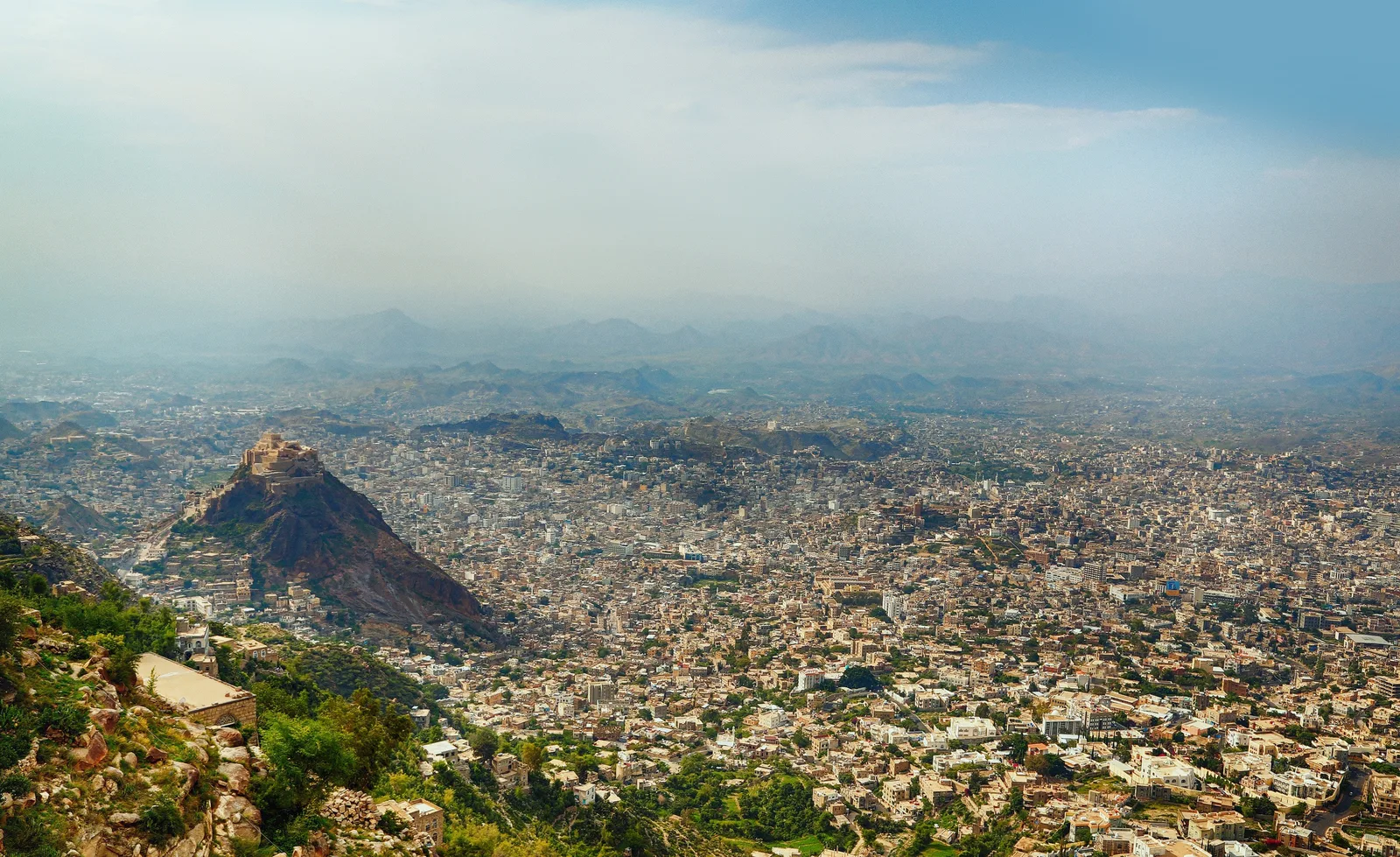 File photo
What happened
Key facts
- The Yemeni army said more than 200 Houthi fighters were killed or wounded in clashes in Taiz (per aa.com.tr, Middle East Eye, ua.news).
- The army said Houthi losses during the day included one military vehicle destroyed, two tanks damaged, a drone downed and an armed convoy destroyed (per aa.com.tr).
- Anadolu Agency said there was no comment from the Houthis and that the figures could not be independently verified (per aa.com.tr, ua.news).
The brief
Anadolu Agency reported that the Yemeni army said fighting on multiple fronts around Taiz killed or wounded more than 200 Houthi fighters.
According to the Taiz Military Axis, which posted a statement on the social media platform X, clashes began in the morning and intensified during the afternoon on the Dhubab front west of the city and on the Al-Aqrud and Al-Shaqab fronts to the south.
The Taiz Military Axis said two additional airstrikes late on Wednesday struck a tank and a military vehicle on the Dhubab front. The army provided an inventory of battlefield losses it attributed to the day's fighting: it said one military vehicle was destroyed, two tanks were damaged, a drone was downed and an armed convoy was destroyed.
Anadolu Agency noted that the figures for Houthi casualties and the damage claimed by the army could not be independently verified, and that the Houthis had not commented on the account. The agency located the clashes in Yemen's southwestern Taiz province and attributed the casualty and equipment figures to statements by the Taiz Military Axis and the Yemeni army.
The reporting focuses on the single-day combat described by the Taiz Military Axis, with the army emphasising both personnel losses and materiel damage on the fronts it named.
Anadolu's account gives the timing as a single day of fighting that began in the morning and intensified in the afternoon, and it records the army's claim that airstrikes and battlefield actions produced the listed losses.
Because Anadolu Agency carries the army's figures and reports the absence of Houthi comment, the counts remain claims by the Yemeni military authority in Taiz rather than independently corroborated figures.
The agency's text underlines that its reporting is based on the statement posted by the Taiz Military Axis and that independent verification was not available at the time of publication. The day of fighting was placed by Anadolu Agency in the southwestern province of Taiz, where the Taiz Military Axis named the Dhubab, Al-Aqrud and Al-Shaqab fronts as those involved.
The account supplied specific equipment losses alongside the reported toll among Houthi fighters but did not provide names, unit-level verification, or casualty breakdowns beyond the aggregate figure the army released.
Why it matters
- Residents of Taiz province bear the immediate human cost: the Yemeni army reported more than 200 Houthi fighters killed or wounded and said an armed convoy, a military vehicle and two tanks were struck in the day's fighting.
- The Taiz Military Axis and the Yemeni army have an interest in documenting battlefield success: they issued detailed counts of enemy personnel and equipment losses, and Anadolu Agency published those claims, noting they were not independently verified.
- The lack of Houthi comment in Anadolu Agency’s reporting leaves the casualty and damage figures unconfirmed, meaning local humanitarian responders and medical services in Taiz remain the primary actors to register and treat any wounded if the army’s figures reflect on-the-ground reality.
What to watch next
- Whether the Taiz Military Axis or the Yemeni army publishes a more detailed casualty breakdown or names units involved in the Dhubab, Al-Aqrud and Al-Shaqab fronts.
- Whether the Houthis issue any public comment addressing the army's claims about the more than 200 fighters killed or wounded and the equipment losses.
- Whether Anadolu Agency or other outlets obtain independent verification of the army's figures from medical facilities, local officials or international monitors.
How it's being covered
Coverage analysisShow details4 source articles · 4 unique outletsCoverage mix: Too few rated· 1 Left · 1 CenterWhere the outlets are based: Middle East 50% · US/Canada 25% · Other 25%
How outlets' accounts compare
How we got here
The Taiz battlefield sits within the wider institutional framework shaped by the Riyadh Agreement of November 5, 2019, between the Yemeni government and the Southern Transitional Council, which reconfigured pro-government forces in southern and central Yemen.
That framework built on the December 13, 2018 Stockholm Agreement brokered by the United Nations, which aimed to freeze hostilities around Hudaydah but did not resolve frontlines in Taiz.
Original sources
1 of 4 articles · Europe · Show allEvery story links to the reporting it was built from. How we choose sources
Spotted a factual error, a broken link or a misleading summary? Tell us.