
Yokohama mayoral vote pits Yamanaka against six challengers
Incumbent Mayor Takeharu Yamanaka is running against six challengers in Yokohama’s snap mayoral election. The Japan Times says the election followed Yamanaka’s resignation over a power-harassment scandal, and that he has promised to change the behavior that led to it.
AI-assisted synthesis · Based on 2 outlets' reporting · Article text read from 1 of 2 outletsHow it's made
View timeline · 7 entries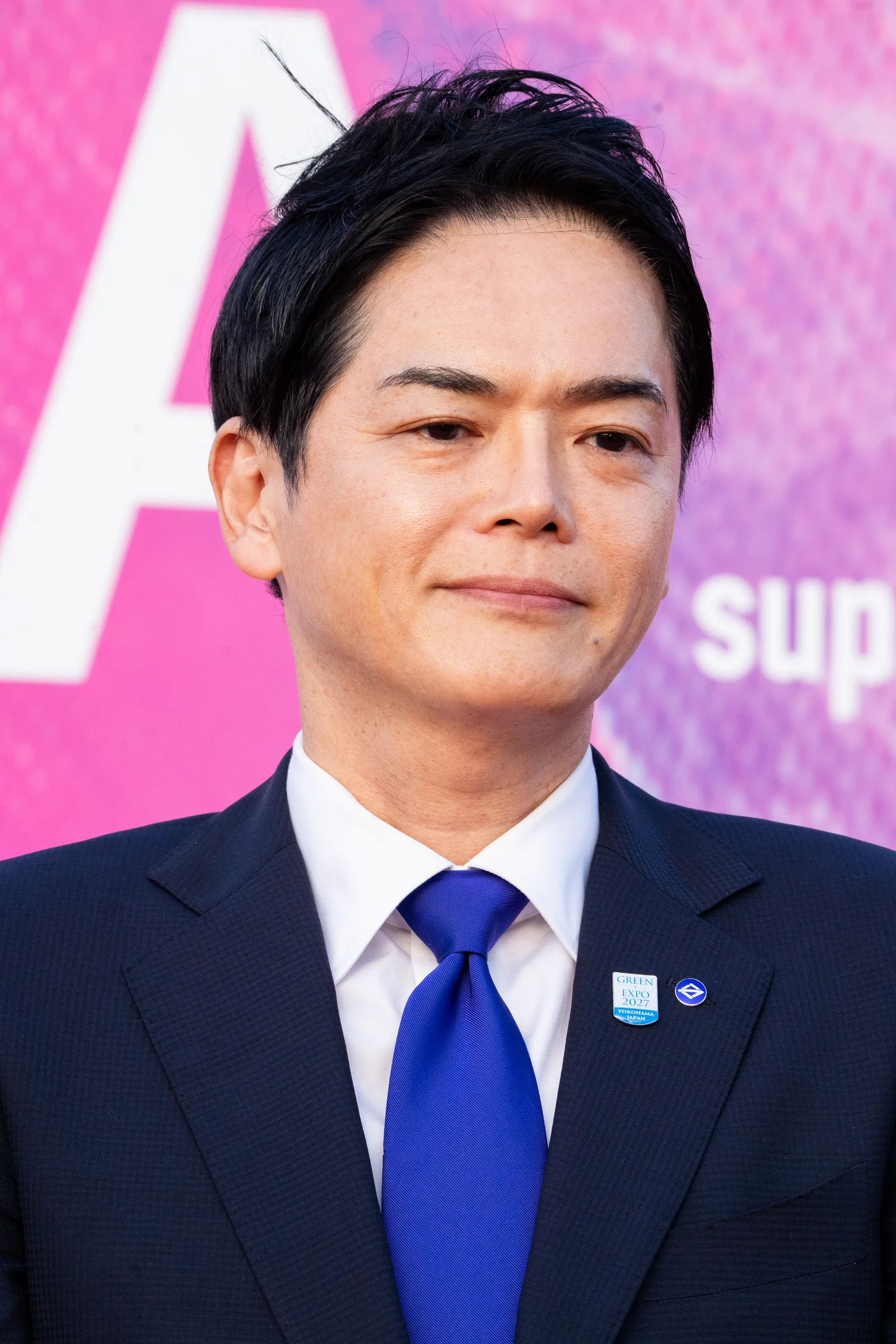 File photo
What happened
Key facts
- Incumbent Mayor Takeharu Yamanaka is running against six challengers in Yokohama’s snap mayoral election (per The Japan Times).
- The election was called after Yamanaka was forced to resign over a power-harassment scandal (per The Japan Times).
- Yamanaka promised to change the behavior that led to his resignation (per The Japan Times).
- Yamanaka said he continues to oppose a possible integrated casino resort (per The Japan Times).
- Kyodo News’s headline says newcomer Harasawa defeated the ex-mayor accused of abuse in Yokohama (per kyodonews.net, The Japan Times).
The brief
Incumbent Mayor Takeharu Yamanaka is competing against six challengers in Yokohama’s snap mayoral election, according to The Japan Times. The election followed Yamanaka’s resignation over a power-harassment scandal, the newspaper reported. The contest therefore puts his return to the mayor’s office before voters after that resignation.
Yamanaka said he would change the behavior that led to his resignation, The Japan Times reported. The account does not specify further details of that promised change. It identifies Yamanaka as a candidate in the election, rather than describing him as having already won or lost.
The Japan Times also identified a possible integrated casino resort as an issue in the campaign, but characterized it as secondary to the question of Yamanaka’s return. Yamanaka said he still opposed the project. The account does not give a position on the resort from any of his six challengers.
Kyodo News’s headline reports a different outcome: it says newcomer Harasawa defeated the ex-mayor, whom it describes as accused of abuse. That headline identifies Harasawa as the winner and the defeated candidate as an ex-mayor; it does not state a vote total or provide further detail about the allegation.
The Japan Times account describes the election as a contest involving Yamanaka and six challengers, while Kyodo’s headline reports the result. The central issues documented in these accounts are Yamanaka’s campaign after his resignation and his stated opposition to the possible resort.
The Japan Times links the election call to the scandal and records Yamanaka’s promise to change his behavior. Kyodo’s headline reports that he lost to Harasawa, but gives no further account of the result or campaign. The election’s outcome, as stated in Kyodo’s headline, is a defeat for Yamanaka and a win for newcomer Harasawa.
The available account from The Japan Times focuses on the race and its issues; it does not provide the final vote count. The reported result and Yamanaka’s stated position on the resort are the concrete developments identified here.
Why it matters
- Yokohama voters are choosing among Yamanaka and six challengers after the mayor’s resignation over a power-harassment scandal.
- Yamanaka’s stated promise to change the behavior that led to his resignation places that conduct at the center of his campaign.
- Yamanaka said he opposes a possible integrated casino resort, an issue The Japan Times described as secondary in the election.
What to watch next
- Whether Yamanaka returns to office or, as Kyodo News’s headline reports, newcomer Harasawa defeats him.
- Whether Yamanaka follows through on his stated promise to change the behavior that led to his resignation.
- Whether the possible integrated casino resort remains an issue in Yokohama’s mayoral politics.
How it's being covered
Coverage analysisShow details2 source articles · 2 unique outletsOutlet political mix: Too few rated· 2 CenterWhere the outlets are based: Asia 100%
- Coverage is currently limited to 2 outlets.
One source is from a wire service (AP, Reuters, AFP or Bloomberg), whose reporting other outlets often republish.
How outlets' accounts compare
Timeline
Developments from this story's sources, dated background we compiled and fact-checked, and our earlier coverage. Each row says which.- The Diet passed the Integrated Resort Promotion Act in December 2016, establishing a policy path for casino-containing resorts.Background · from our historical context
- The Diet enacted the Integrated Resort Implementation Act in July 2018, setting out rules for licensing and oversight and permitting the government to authorize up to three locations.Background · from our historical context
- Yokohama’s city government, then led by Mayor Fumiko Hayashi, announced in August 2019 that it would pursue an IR, making the port city a contender under the new framework.Background · from our historical context
- On August 22, 2021, Yamanaka, a former professor at Yokohama City University, won the mayoral election after campaigning against the proposed integrated resort (IR).Background · from our historical context
- Yamanaka’s 2021 election campaign challenged that direction; his September 2021 withdrawal ended Yokohama’s bid.Background · from our historical context
- On September 10, 2021, he announced that Yokohama would withdraw its bid to host one.Background · from our historical context
- In April 2023, Japan’s national government approved Osaka’s IR plan, while Yokohama remained outside the national development process.Background · from our historical context
How we got here
Yokohama’s casino-resort debate had already reshaped its mayoral politics before Takeharu Yamanaka entered city hall. On August 22, 2021, Yamanaka, a former professor at Yokohama City University, won the mayoral election after campaigning against the proposed integrated resort (IR). On September 10, 2021, he announced that Yokohama would withdraw its bid to host one.
The Diet passed the Integrated Resort Promotion Act in December 2016, establishing a policy path for casino-containing resorts. The Diet enacted the Integrated Resort Implementation Act in July 2018, setting out rules for licensing and oversight and permitting the government to authorize up to three locations.
Original sources
2 articles from 2 outletsEvery story links to the reporting it was built from. How we choose sources
Spotted a factual error, a broken link or a misleading summary? Tell us.