
Zelensky says Ukraine, Russia and US teams plan Abu Dhabi talks in November
Volodymyr Zelensky said Ukraine, Russia and U.S. negotiation teams plan to open peace talks in Abu Dhabi in the first half of November. He called for security guarantees, European participation and a later leaders’ meeting; the schedule depends on Russia, he said.
AI-assisted synthesis · Based on 6 outlets' reporting · Article text read from 3 of 6 outlets · 1 article captured only in partHow it's made
View timeline · 11 entries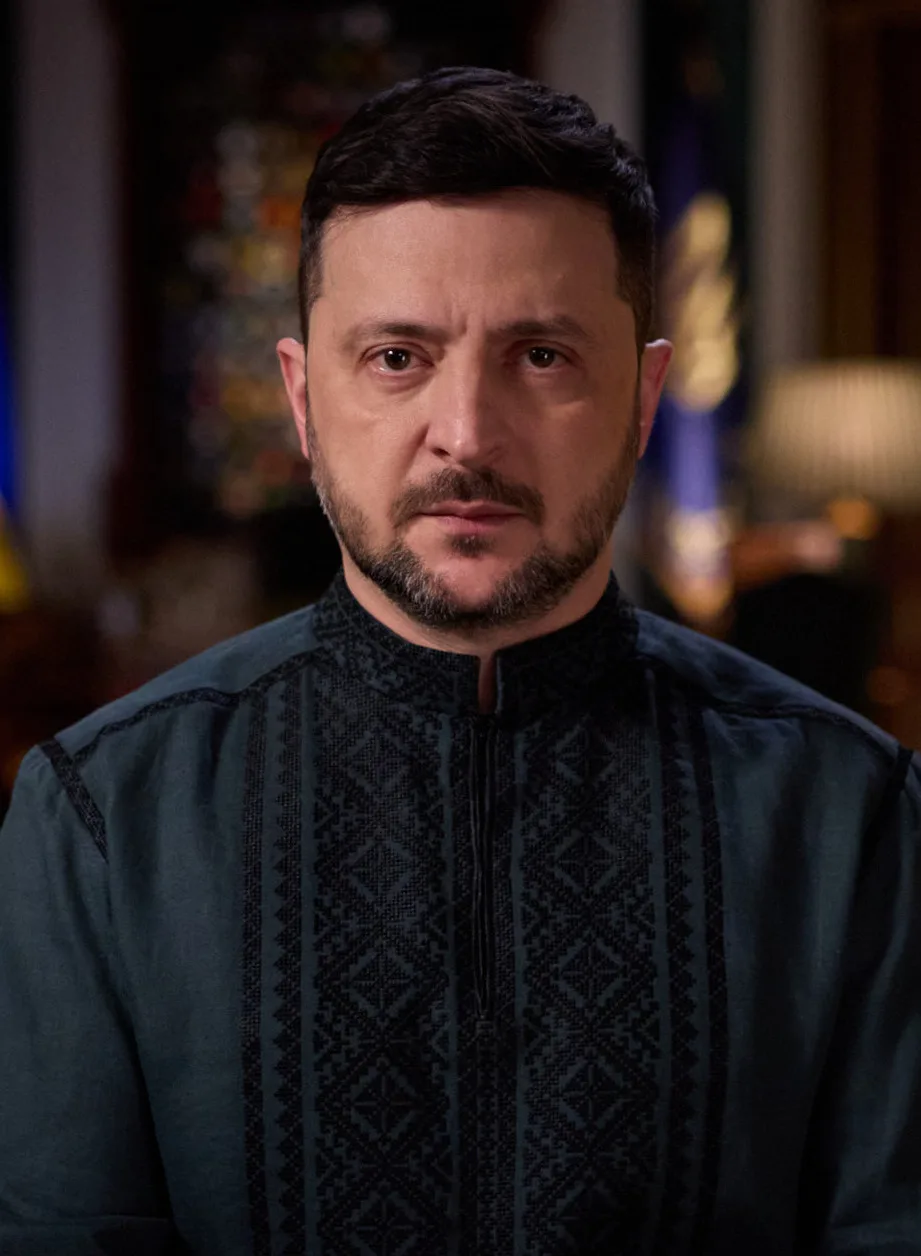 File photo
What happened
Key facts
- Volodymyr Zelensky said Ukraine, Russia and U.S. negotiation teams plan to meet in Abu Dhabi in the first half of November to begin peace talks.
- Zelensky said the initial discussions would be at the technical level and that key issues would need to be resolved in a meeting of leaders.
- Zelensky said Ukraine needs robust security guarantees and Europe should be included in the negotiations.
- Zelensky said a large Ukrainian army would need funding for at least 10 years after any peace deal.
- Zelensky said he had spoken with U.S. envoys Jared Kushner and Steve Witkoff about the negotiations.
- Dmitry Peskov said trilateral talks involving Russia, Ukraine and the United States are scheduled for the first half of November in Abu Dhabi.
- Peskov said the talks would address security for Russia and Ukraine after a peace agreement, describing the issue as essential to a comprehensive settlement.
The brief
Volodymyr Zelensky said Ukraine, Russia and U.S. negotiation teams plan to open peace talks in Abu Dhabi in the first half of November. The proposed meeting would begin at the technical level, with the three countries represented in the initial format, according to his account and a separate statement by Kremlin spokesman Dmitry Peskov.
Zelensky said the teams had expected to meet in October, but that gathering did not take place because Russia gave another reason not to meet. The Kyiv Independent quoted him saying the teams would meet in November; ANews also reported his account of the missed October meeting. The sources do not provide a specific day for the planned talks.
Zelensky said he discussed the negotiations by phone with U.S. envoys Steve Witkoff and Jared Kushner. He described technical discussions as an opening stage and said key issues would need to be settled by national leaders. The Washington Examiner likewise reported his position that the talks should advance from technical-level discussions to senior leaders.
Peskov said the talks would address security arrangements for Russia and Ukraine after a peace agreement, which he characterized as essential to a comprehensive settlement. He said the initial discussions would involve Ukraine, Russia and the United States.
His comments leave room for other participants in discussions of European security, while indicating that the subject could not be handled without them. Zelensky called for European participation, a position also reported by the Washington Examiner.
The accounts therefore describe a three-country opening format alongside his call to include Europe and Peskov’s point that European security requires additional participants. They do not specify which European governments would take part or how that participation would be arranged.
Zelensky also said Ukraine would need funding for a large army for at least 10 years after any peace agreement. That statement links his security concerns to the post-agreement arrangements Peskov identified as a subject for negotiation, though the sources give no proposed funding mechanism or figure.
The planned meeting follows an earlier attempt to convene talks in October that Zelensky says did not happen. The next stated step is for the teams to meet in Abu Dhabi in November; Zelensky says the agenda must eventually move beyond technical discussions to decisions by leaders.
Why it matters
- Ukraine’s post-agreement security is a central subject: Peskov said talks would address arrangements for both Russia and Ukraine after a peace agreement.
- Zelensky said Ukraine would need funding for a large army for at least 10 years after an agreement, making the duration of that commitment a stated stake in the discussions.
- The opening format is trilateral, while Zelensky wants Europe involved and Peskov says European security cannot be addressed without additional participants.
What to watch next
- Whether Ukraine, Russia and U.S. negotiation teams meet in Abu Dhabi in the first half of November, as Zelensky said they plan to do.
- Whether the teams begin with technical-level discussions and address post-agreement security arrangements for Russia and Ukraine.
- Whether European participants enter discussions of European security, as Zelensky urged and Peskov said would require additional participants.
- Whether the technical talks lead to the leaders’ meeting Zelensky says is needed to resolve key issues.
How it's being covered
Coverage analysisShow details7 source articles · 6 unique outlets · 5 distinct reportsOutlet political mix: Mixed· 2 Left · 2 Center · 1 Right · 1 unratedWhere the outlets are based: US/Canada 17% · Europe 17% · Other 66%
One source is from a wire service (AP, Reuters, AFP or Bloomberg), whose reporting other outlets often republish.
How outlets' accounts compare
3 framing differences · 2 uncorroborated claims · 1 information gap- The Kyiv Independent and Washington Examiner foreground Zelensky’s call for European participation and a later leaders’ meeting; ANews foregrounds Peskov’s account of the trilateral format and post-agreement security agenda.
- Zelensky attributed the failure of an October meeting to Russia giving another reason not to meet; the sources present this as his account.
- The proposed talks are described as planned, but the sources do not establish that the meeting has occurred or provide a specific day.
- Peskov said post-agreement security for Russia and Ukraine would be part of the talks.
- Zelensky said a large Ukrainian army would need funding for at least 10 years after a peace agreement.
- The sources do not describe the detailed agenda beyond post-agreement security, nor do they identify the European participants or a process for including them.
Timeline
Developments from this story's sources, dated background we compiled and fact-checked, and our earlier coverage. Each row says which.- During German reunification negotiations in 1990, Western officials made statements about NATO’s eastward reach; historians and governments have disputed their scope, and no treaty barred later enlargement.Background · from our historical context
- Ukraine, Russia, the United States and the United Kingdom signed the Budapest Memorandum on security assurances.Background · compiled and fact-checked by Updat3
- NATO declared at its Bucharest Summit that Ukraine and Georgia would become members, without setting an accession date.Background · compiled and fact-checked by Updat3
- The conflict escalated in 2014 after Ukraine’s Euromaidan protests and the ouster of President Viktor Yanukovych.Background · from our historical context
- Russia annexed Crimea in March 2014, a move rejected by Ukraine and condemned in a United Nations General Assembly resolution.Background · from our historical context
- Representatives of Ukraine, Russia, the OSCE and separatist-held areas of eastern Ukraine signed the Minsk II agreement.Background · compiled and fact-checked by Updat3
- That failed meeting followed earlier attempts to negotiate after Russia’s full-scale invasion began on February 24, 2022.Background · from our historical context
- In March 2022, Russian and Ukrainian representatives held talks in Belarus and Turkey, including negotiations in Istanbul, but those discussions did not produce a lasting ceasefire or peace agreement.Background · from our historical context
- Volodymyr Zelensky presented Ukraine’s ten-point peace formula.Background · compiled and fact-checked by Updat3
- Donald Trump and Volodymyr Zelensky met at the White House; their planned minerals agreement was not signed.Background · compiled and fact-checked by Updat3
- In October 2026, a planned meeting between Ukraine and Russia did not take place; Volodymyr Zelensky said Russia had given another reason not to meet.Background · from our historical context
How we got here
In October 2026, a planned meeting between Ukraine and Russia did not take place; Volodymyr Zelensky said Russia had given another reason not to meet. That failed meeting followed earlier attempts to negotiate after Russia’s full-scale invasion began on February 24, 2022.
In March 2022, Russian and Ukrainian representatives held talks in Belarus and Turkey, including negotiations in Istanbul, but those discussions did not produce a lasting ceasefire or peace agreement.
Original sources
7 articles from 6 outletsEvery story links to the reporting it was built from. How we choose sources
Spotted a factual error, a broken link or a misleading summary? Tell us.