
Zelensky warns Ukraine cannot withstand US support for Putin, Sydney Morning Herald says
Volodymyr Zelensky warned that Ukraine could not withstand the United States supporting Vladimir Putin, according to The Sydney Morning Herald. The warning came as Donald Trump called for Zelensky’s ouster and officials prepared to meet in Oslo.
AI-assisted synthesis · Based on 5 outlets' reporting · Article text read from 1 of 5 outlets · 1 article captured only in partHow it's made
View timeline · 10 entries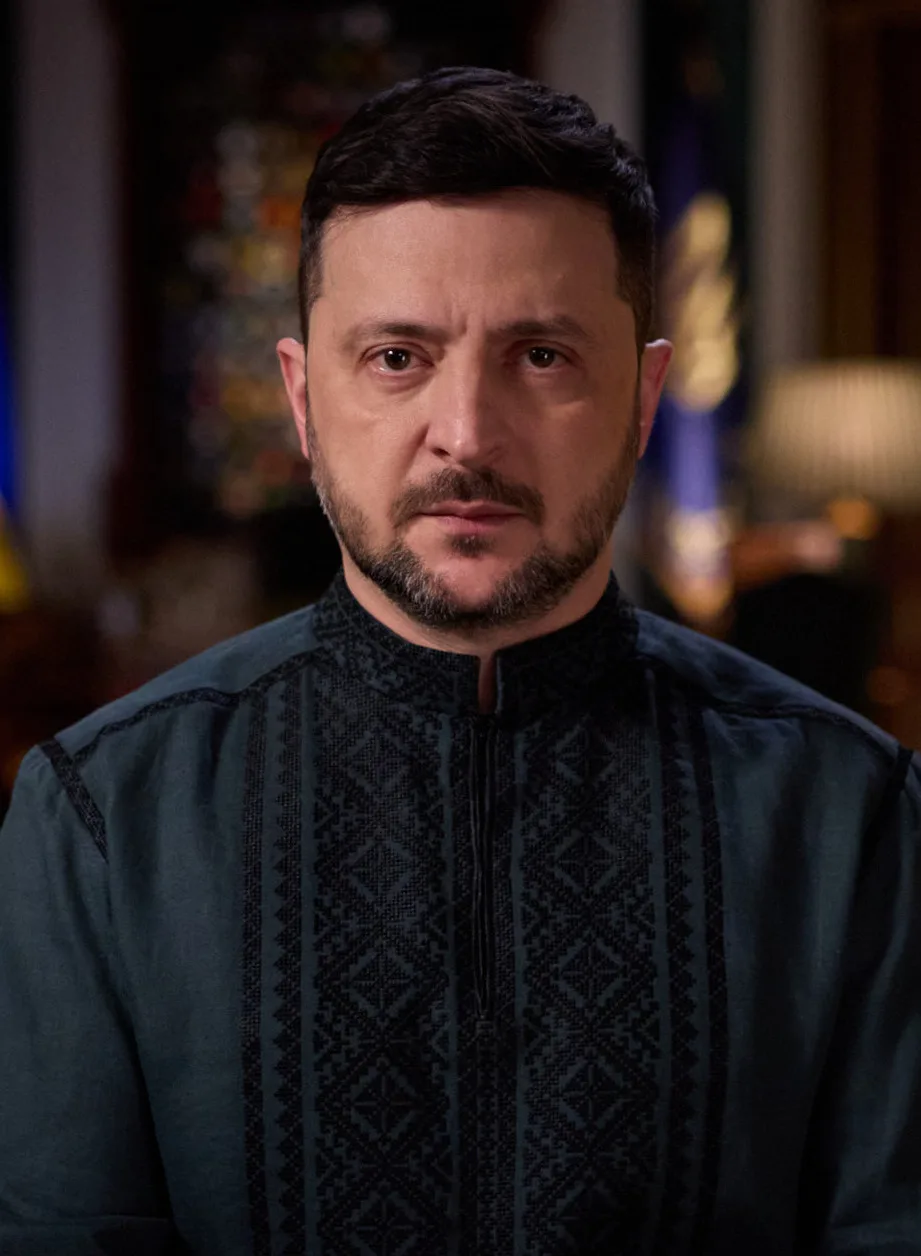 File photo
What happened
Key facts
- Volodymyr Zelensky told NBC News’ Meet the Press that Ukraine would not prevail if the United States supported Vladimir Putin (per The Sydney Morning Herald).
- Donald Trump called for somebody else to negotiate on Ukraine’s behalf and called for Zelensky’s ouster (per The Sydney Morning Herald, South China Morning Post, kyivpost.com).
- The Sydney Morning Herald says Trump announced a waiver for Russian diesel supplies, restricted Ukraine’s access to battlefield satellite systems, held off on new sanctions against Russia and paused supplies of interceptor missiles (per The Sydney Morning Herald).
- The Sydney Morning Herald says Trump’s measures and statements came within the 10 days since Vladimir Putin last spoke by telephone with the American president (per The Sydney Morning Herald).
- Steve Witkoff was set to meet Zelensky, Alexander Stubb and Jonas Gahr Store in Oslo, with Jared Kushner expected to join by video (per The Sydney Morning Herald).
- Jonas Gahr Store said the Oslo meeting aimed to put diplomatic efforts on a more constructive path (per The Sydney Morning Herald).
- Kyiv Post’s headline says Zelensky’s position is that Ukraine’s future cannot be decided without Kyiv (per kyivpost.com, South China Morning Post, The Sydney Morning Herald).
- Around Prague’s headline says Zelensky was in Oslo and stated that no decisions on Ukraine should be made without Ukraine (per aroundprague.cz, The Sydney Morning Herald).
- The Washington Post’s headline says Vladimir Putin proposed a meeting with the United States and China (per The Sydney Morning Herald).
The brief
Volodymyr Zelensky warned that Ukraine could not withstand the United States supporting Vladimir Putin, as Donald Trump called for Zelensky’s ouster and pressed for another negotiator on Ukraine’s behalf. The Sydney Morning Herald reported that Zelensky made the warning in an interview with NBC News’ Meet the Press.
Kyiv Post and Around Prague headlines likewise present Zelensky as insisting that Ukraine’s future cannot be decided without Kyiv; Around Prague places him in Oslo. The newspaper described several Trump administration measures affecting Ukraine and Russia.
It said Trump announced a waiver for Russian diesel supplies to the global market, restricted Ukraine’s access to battlefield satellite systems, held off on new sanctions against Russia and paused shipments of interceptor missiles. These actions accompanied Trump’s call for Zelensky to be replaced, according to the outlet.
The Sydney Morning Herald placed the developments within the 10 days since Putin last spoke by telephone with Trump. It also reported that US diesel prices averaged $US6.33 per gallon on Friday, about five cents higher than the previous week. The article does not establish that the price change resulted from any one of the listed policy decisions.
The same account said US Treasury Secretary Scott Bessent attributed rising fuel prices to Ukraine’s strikes on Russian oil refineries after meeting Russian Finance Minister Anton Siluanov at a G20 event in Asheville, North Carolina, on August 31. Bessent’s explanation was that the refinery strikes, rather than the war in Iran, accounted for the price rise.
The article presents this as Bessent’s claim, not as an independently established cause. Diplomatic discussions were planned in Oslo, where US Special Envoy for the Middle East Steve Witkoff was set to meet Zelensky, Finnish President Alexander Stubb and Norwegian Prime Minister Jonas Gahr Store. Jared Kushner was expected to participate by video.
Store said the meeting was intended to move diplomatic efforts onto a more constructive path. The Washington Post headline separately says Putin proposed a meeting involving the United States and China. The Sydney Morning Herald’s account does not provide details of that proposal.
The central diplomatic question raised by Zelensky’s warning is whether Ukraine will be included in decisions about its future as US officials prepare to meet him in Oslo.
Why it matters
- Ukraine’s government faces the specific military-support stakes named in the article: restricted access to battlefield satellite systems and paused interceptor-missile supplies.
- Ukraine’s diplomatic position is at stake in the planned Oslo meeting: Zelensky warned Ukraine could not withstand US support for Putin, while Store said the meeting aimed to put diplomacy on a more constructive path.
- The article links the policy debate to US fuel costs: average diesel reached $US6.33 per gallon, about five cents above the prior week, while Scott Bessent blamed Ukraine’s refinery strikes rather than the war in Iran.
What to watch next
- Over the next several days, watch whether the Trump administration restores Ukraine’s access to battlefield satellite systems or maintains the restriction.
- In the coming weeks, watch for a White House decision on whether to resume interceptor-missile supplies to Ukraine.
- Watch whether Trump moves from calling for Zelensky’s ouster to naming or backing another Ukrainian negotiator.
- Over the next few weeks, watch for Zelensky and European governments to announce specific steps to replace any U.S. military support that remains paused.
How it's being covered
Coverage analysisShow details5 source articles · 5 unique outletsOutlet political mix: Mostly Center· 1 Left · 2 Center · 2 unratedWhere the outlets are based: Europe 40% · Asia 40% · Other 20%
How outlets' accounts compare
Timeline
Developments from this story's sources, dated background we compiled and fact-checked, and our earlier coverage. Each row says which.- Ukraine, Russia, the United States and the United Kingdom signed the Budapest Memorandum on security assurances.Background · compiled and fact-checked by Updat3
- The invasion followed eight years of conflict in eastern Ukraine after Russia seized and annexed Crimea in 2014.Background · from our historical context
- The 2014 crisis followed Ukraine’s Euromaidan protests and the February 2014 removal of President Viktor Yanukovych.Background · from our historical context
- Russia’s full-scale invasion of Ukraine on February 24, 2022, made continued US military and financial assistance a central part of Kyiv’s defense.Background · from our historical context
- The US Congress subsequently authorized extensive assistance, including through the Ukraine Supplemental Appropriations Act, signed on May 21, 2022.Background · from our historical context
- Donald Trump won the presidency, and Republicans gained control of the Senate.Background · compiled and fact-checked by Updat3
- Donald Trump and Volodymyr Zelensky met at the White House; their planned minerals agreement was not signed.Background · compiled and fact-checked by Updat3
- Donald Trump and Vladimir Putin discussed a proposed pause in attacks on energy infrastructure during a phone call.Background · compiled and fact-checked by Updat3
- President Donald Trump signed the Graham Act, which included sanctions and tariffs intended to increase pressure on Russia.Background · compiled and fact-checked by Updat3
- President Donald Trump announced an immediate energy ceasefire between Russia and Ukraine.Background · compiled and fact-checked by Updat3
How we got here
Russia’s full-scale invasion of Ukraine on February 24, 2022, made continued US military and financial assistance a central part of Kyiv’s defense. On March 16, 2022, the International Court of Justice ordered Russia to suspend military operations it had begun on February 24; Russia did not comply.
The US Congress subsequently authorized extensive assistance, including through the Ukraine Supplemental Appropriations Act, signed on May 21, 2022. The invasion followed eight years of conflict in eastern Ukraine after Russia seized and annexed Crimea in 2014. The 2014 crisis followed Ukraine’s Euromaidan protests and the February 2014 removal of President Viktor Yanukovych.
Original sources
5 articles from 5 outletsEvery story links to the reporting it was built from. How we choose sources
Spotted a factual error, a broken link or a misleading summary? Tell us.