
Zelenskyy says partners have resumed missile warnings to Ukraine
Volodymyr Zelenskyy said Ukraine is again receiving early warnings from information-sharing partners about incoming Russian missiles. He said Ukraine received an advance warning for only the second of two Russian ballistic-missile waves overnight from Oct. 18 to Oct. 19.
AI-assisted synthesis · Based on 6 independent reports from 7 outlets · Article text read from 1 of 6 reportsHow it's made
View timeline · 7 entries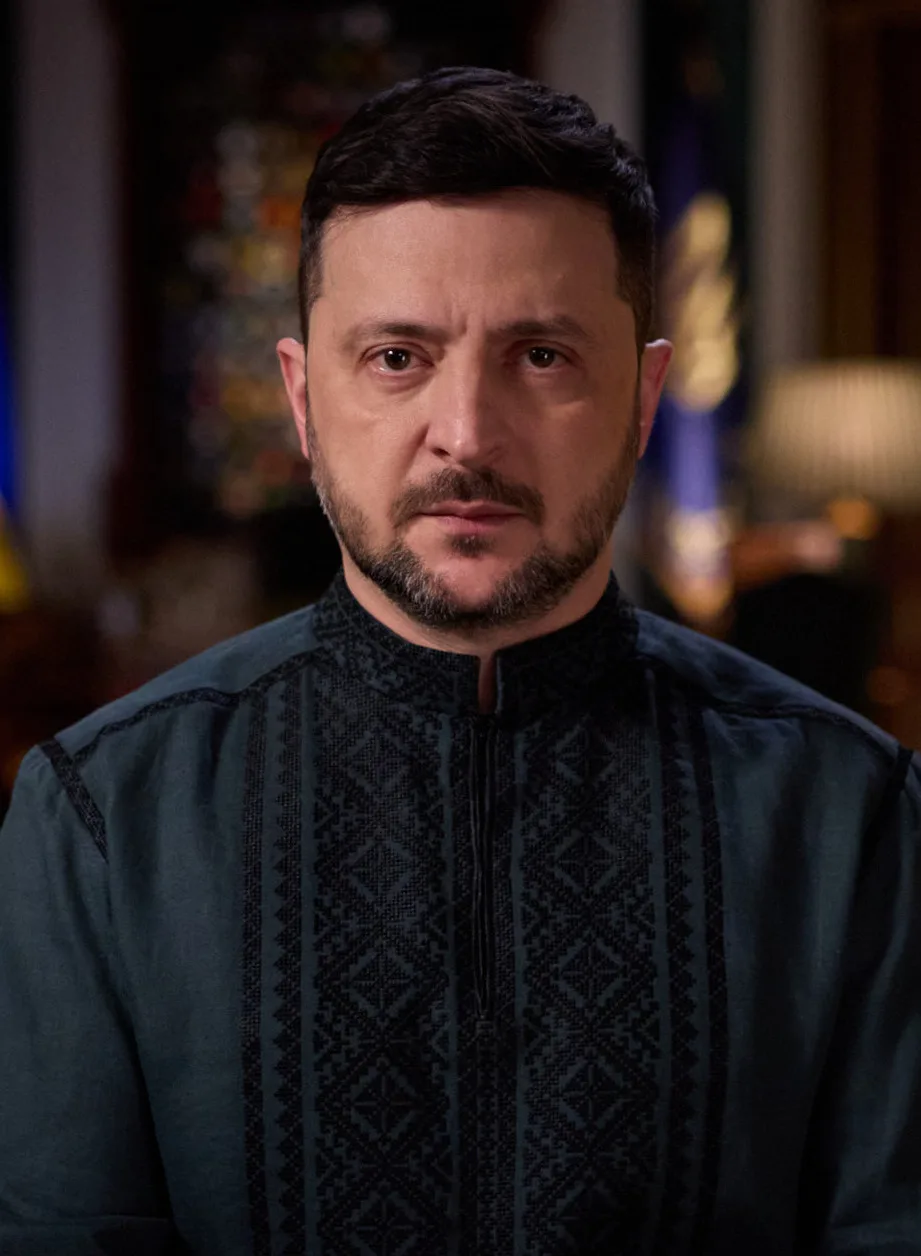 File photo
What happened
Key facts
- Volodymyr Zelenskyy said Ukraine's early warning system for Russian missile attacks had resumed (per theepochtimes.com, NPR, messenger-inquirer.com).
- Zelenskyy said Ukrainian military forces were again receiving early warnings from information-sharing partners about incoming Russian missiles (per theepochtimes.com).
- Zelenskyy said a temporary lapse in warnings allowed drone strikes to hit energy targets in the past week (per theepochtimes.com).
- Zelenskyy said he had a “constructive dialogue” with Rubio by phone Tuesday about Starlink, ballistic missile interceptors, and intelligence (per theepochtimes.com).
- The headlines connect the resumed warning system with a call between Zelenskyy and Rubio (per theepochtimes.com, messenger-inquirer.com, tribdem.com).
The brief
Ukraine is again receiving advance warnings about incoming Russian missiles from information-sharing partners, President Volodymyr Zelenskyy said. The account appeared as Ukraine described a recent interruption in warnings and reported a separate malfunction affecting Starshield-enabled drones.
Zelenskyy said the lapse in warnings was temporary and had allowed drone strikes to hit energy targets in the past week. He did not identify who carried out those drone strikes. The account does not establish whether the reported warning lapse caused the strikes, so the events remain distinct in the available description.
In a post on social media, Zelenskyy said Ukraine received an advance warning for only the second of two waves of Russian ballistic-missile strikes overnight from Oct. 18 to Oct. 19. His account provides no further detail about the first wave or the effects of either wave.
Zelenskyy also said he spoke by phone with Rubio on Tuesday and described their exchange as a “constructive dialogue.” He said they discussed Starlink, ballistic missile interceptors, and intelligence.
The report does not say that the call restored the warning system; it presents the conversation and the resumption as related developments without describing a direct causal link. Separately, Ukrainian forces reported that Starshield-enabled drones stopped functioning when traveling at speeds between 130 and 161 kilometers per hour on Monday.
The malfunction affected intermediate-range drones, jet-powered drone interceptors, and frontline logistics, according to the report. It gives no cause for the technical problem. The two reported operational issues concern different systems: missile alerts from information-sharing partners and the functioning of drones using Starshield.
Zelenskyy’s statement that alerts have resumed addresses the warning interruption, while the report gives no account of a fix for the drone malfunction. The immediate questions raised by the account are whether Ukrainian forces continue receiving advance missile warnings and whether the reported drone problem is addressed.
Why it matters
- Ukrainian forces rely on early warnings from information-sharing partners about incoming Russian missiles; Zelenskyy said the alerts had resumed after a temporary lapse.
- Zelenskyy said the lapse allowed drone strikes to hit energy targets in the past week, identifying energy infrastructure as a concrete stake.
- The reported Starshield drone malfunction affected intermediate-range drones, jet-powered drone interceptors, and frontline logistics.
What to watch next
- Whether Ukrainian forces continue receiving advance warnings from information-sharing partners about incoming Russian missiles.
- Whether the reported Starshield-enabled drone malfunction is addressed.
- Whether Zelenskyy or Rubio provide further details about their discussion of Starlink, ballistic missile interceptors, and intelligence.
How it's being covered
Coverage analysisShow details7 source articles · 7 unique outlets · 6 distinct reportsOutlet political mix: Center Only· 6 Center · 1 RightWhere the outlets are based: US/Canada 86% · Unknown 14%
- Coverage is currently concentrated among Center-rated outlets (6 of 7 rated sources); comparatively few Left-rated outlets have published on the event.
- Coverage is currently concentrated among outlets based in US/Canada (6 of 7 geographically-identified sources).
How outlets' accounts compare
Timeline
Developments from this story's sources, dated background we compiled and fact-checked, and our earlier coverage. Each row says which.- Ukraine, Russia, the United States and the United Kingdom signed the Budapest Memorandum on security assurances.Background · compiled and fact-checked by Updat3
- NATO declared at its Bucharest Summit that Ukraine and Georgia would become members of the alliance.Background · compiled and fact-checked by Updat3
- Russia annexed Crimea from Ukraine.Background · compiled and fact-checked by Updat3
- Fighting began in the Donbas between Ukrainian forces and Russia-backed separatists.Background · compiled and fact-checked by Updat3
- SpaceX activated Starlink service in Ukraine and terminals were supplied there.Background · compiled and fact-checked by Updat3
- Russia’s full-scale invasion of Ukraine on February 24, 2022, made advance warning of missile attacks a central part of Ukraine’s wartime defense.Background · from our historical context
- SpaceX president Gwynne Shotwell said the company had restricted Starlink use for offensive drone operations in Ukraine.Background · compiled and fact-checked by Updat3
How we got here
Russia’s full-scale invasion of Ukraine on February 24, 2022, made advance warning of missile attacks a central part of Ukraine’s wartime defense. In the years that followed, Ukrainian authorities used air-raid alerts to warn civilians, while Ukraine’s military sought information from foreign partners to help identify incoming attacks.
Russia’s use of missiles and drones against Ukrainian cities and infrastructure—including energy facilities—gave those warnings both military and civilian importance. After Ukraine’s 2014 political upheaval and Russia’s annexation of Crimea, fighting began in the Donbas between Ukrainian forces and Russia-backed separatists.
Original sources
1 of 7 articles · Unknown · Show allEvery story links to the reporting it was built from. How we choose sources
Spotted a factual error, a broken link or a misleading summary? Tell us.