
Iran-linked strikes hit six ships in one day near Strait of Hormuz, security data shows
Security data show Iran-linked attacks on commercial vessels in and around the Strait of Hormuz reached their highest pace since the war began, with six ships targeted in a single day. The UK Maritime Trade Operations agency and maritime security sources recorded more than 18 commercial vessels targeted by Iran during the first 12 days of October and at least 14 incidents between Oct. 5 and Oct. 12.
AI-assisted synthesis · Based on 5 outlets' reporting · Full text read from 1 of 5 outletsHow it's made
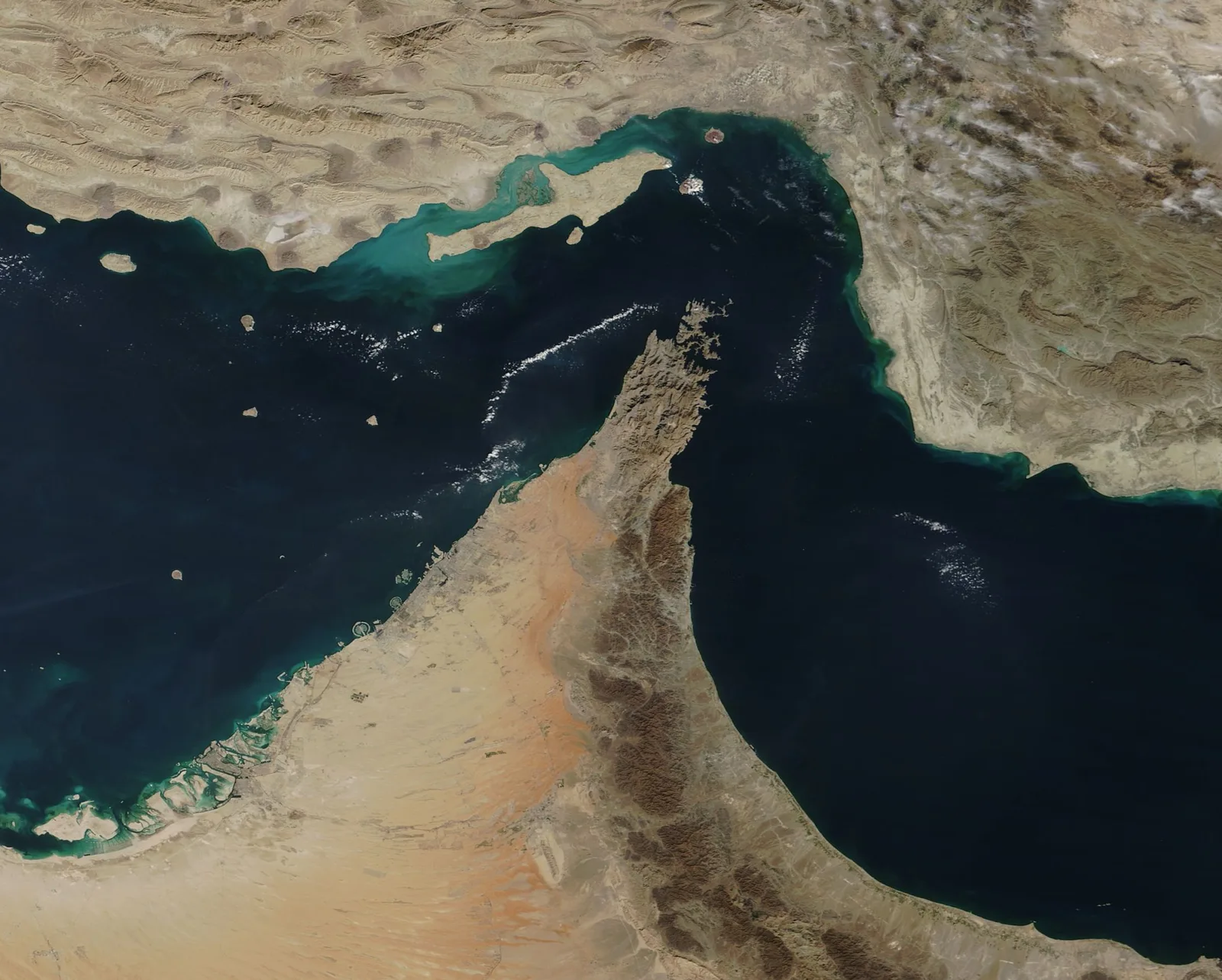 File photo
What happened
Key facts
- Six ships were targeted in a single day in and around the Strait of Hormuz, the highest daily tally since the war began, according to UKMTO and maritime security sources reported by Anadolu Agency (per aa.com.tr).
- More than 18 commercial vessels were targeted by Iran during the first 12 days of October, according to UKMTO and maritime security sources cited by Anadolu Agency (per aa.com.tr).
- Between Oct. 5 and Oct. 12, at least 14 attacks, attempted attacks and interceptions involving vessels were recorded in and around the Strait of Hormuz, according to the same sources cited by Anadolu Agency (per aa.com.tr).
- At least 12 attacks on oil tankers and cargo ships were recorded in July, as stated by the maritime security sources referenced by Anadolu Agency (per aa.com.tr).
- At least 10 vessels were targeted in August, including oil and liquefied natural gas tankers off Fujairah and Sohar, according to the maritime security sources cited by Anadolu Agency (per aa.com.tr).
- On May 30, Tehran announced vessels passing through the Strait of Hormuz would be required to obtain prior authorization from the IRGC Navy, the Anadolu Agency article reports (per aa.com.tr).
- Anadolu Agency states the war began with US and Israeli attacks on Iran on Feb. 28, before a ceasefire was reached in April (per aa.com.tr).
The brief
Iran-linked attacks on commercial vessels in and around the Strait of Hormuz have reached their highest daily tally since the onset of the war, maritime security data show, Anadolu Agency reported.
The UK Maritime Trade Operations agency (UKMTO) and international maritime security sources cited by Anadolu Agency recorded six ships targeted in a single day, the highest number reported in one day since the conflict began. Anadolu Agency said the data it reviewed show more than 18 commercial vessels were targeted by Iran during the first 12 days of October.
The agency added that between Oct. 5 and Oct. 12 alone there were at least 14 incidents described as attacks, attempted attacks and interceptions involving vessels in and around the strait.
The Anadolu report places the October activity in a pattern: it cites at least 12 attacks on oil tankers and cargo ships in July and at least 10 vessels targeted in August, including incidents affecting oil and liquefied natural gas tankers off Fujairah in the United Arab Emirates and off Sohar in Oman.
Those monthly tallies are given by the same maritime security sources cited by Anadolu Agency.
Anadolu Agency also records a policy shift Tehran announced on May 30, when it said vessels transiting the strait would be required to obtain prior authorization from the IRGC Navy and warned that passage without permission would be treated as a "security threat." The agency reports that the war began with US and Israeli attacks on Iran on Feb.
28 and that a ceasefire was reached in April. Separate headlines corroborate that outlets besides Anadolu Agency reported the spike: the NZ Herald, The Straits Times and The Economic Times headlined the rise in attacks, and a news.az headline said a ship sank after being hit by a projectile near the Strait of Hormuz.
Those headlines confirm other outlets flagged significant maritime incidents in the same period, though full article text from those outlets is not included in the data Anadolu Agency published.
The maritime security figures reported by Anadolu Agency and attributed to UKMTO provide the measurable account in this story: six ships struck on a single day, more than 18 targeted in the first 12 days of October, and clusters of incidents between Oct. 5 and Oct. 12.
Anadolu Agency presents those numbers as coming from UKMTO and international maritime security sources; the agency’s article supplies the sequence and monthly comparisons used here.
Why it matters
- Maritime commerce using the Strait of Hormuz is directly affected: more than 18 commercial vessels were targeted in the first 12 days of October, increasing immediate risk to specific merchant crews and cargo owners named in vessel manifests.
- Energy shipments face concrete disruption: the reported incidents included oil and liquefied natural gas tankers off Fujairah and Sohar, which ties the attacks to identifiable energy cargoes and shippers cited in the Anadolu Agency account.
- Regional naval procedures and legal risks rise for shipping firms: Tehran’s May 30 announcement requiring IRGC Navy authorization for transits establishes a documented administrative barrier and a new compliance risk for vessel operators described in the Anadolu Agency piece.
What to watch next
- Whether the IRGC Navy enforces its May 30 authorization requirement for specific transits reported in UKMTO data.
- Whether UKMTO or the international maritime security sources cited by Anadolu Agency publish updated daily tallies that confirm changes to the reported six-ship daily peak.
- Whether ports and shipping operators servicing Fujairah and Sohar change routing or deny calls to vessels carrying oil and liquefied natural gas after the incidents cited between Oct. 5 and Oct. 12.
How it's being covered
Coverage analysisShow details5 source articles · 5 unique outletsCoverage mix: Mostly Center· 3 Center · 1 RightWhere the outlets are based: Asia 80% · Middle East 20%
- Coverage is currently concentrated among Center-rated outlets (3 of 4 rated sources); comparatively few Left-rated outlets have published on the event.
- Coverage is currently concentrated among outlets based in Asia (4 of 5 geographically-identified sources).
How outlets' accounts compare
How we got here
Immediate backdrop: Between Oct. 1 and Oct. 12, maritime-security reports recorded more than 18 commercial vessels targeted in and around the Strait of Hormuz, and UKMTO data logged at least 14 attacks, attempted attacks or interceptions between Oct. 5 and Oct.
12; maritime-security sources and AA reported that at least 12 attacks on oil tankers and cargo ships had been recorded in July.
Original sources
5 articles from 5 outletsEvery story links to the reporting it was built from. How we choose sources
Spotted a factual error, a broken link or a misleading summary? Tell us.