
FBI arrests Saudi former OpenAI engineer accused of planting hidden recording device at San Francisco office
The FBI arrested Abdulrahman Alfozan, a 35-year-old Saudi national and former OpenAI engineer, on charges that he planted a concealed recording device in OpenAI’s San Francisco office. OpenAI discovered the device after employees found it concealed in toilet paper and notified the FBI, and the Justice Department said the case is being treated as a national security matter.
AI-assisted synthesis · Based on 8 independent reports from 9 outlets · Full text read from 2 of 8 reportsHow it's made
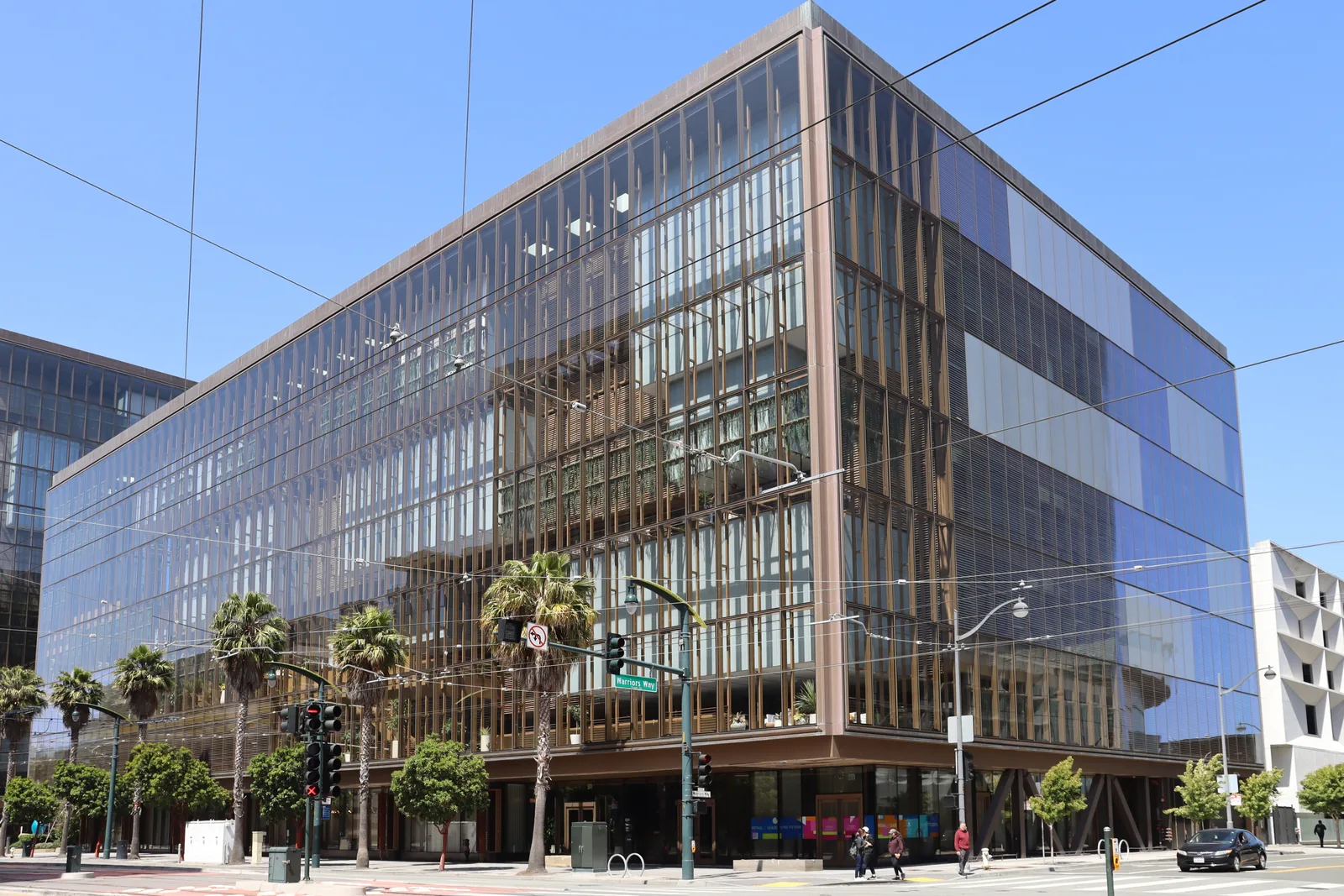 File photo
What happened
Key facts
- Abdulrahman Alfozan, 35, a Saudi national and former OpenAI engineer, was arrested by the FBI (per Washington Examiner).
- OpenAI employees discovered a concealed device two days after investigators believe it was installed (per Washington Examiner).
- OpenAI alerted the FBI after employees found the device, and OpenAI and the Justice Department disclosed the arrest the Tuesday after the arrest (per Washington Examiner, yenisafak.com).
- U.S. officials said the Saudi national may have been acting on behalf of his nation’s government, a characterization attributed to the administration (per Washington Examiner).
- Multiple outlets reported that a Saudi OpenAI engineer was arrested by the FBI over an alleged covert recording device at OpenAI’s office (per Washington Examiner, denvergazette.com, Middle East Eye).
The brief
The FBI arrested Abdulrahman Alfozan, a 35-year-old Saudi national and former OpenAI engineer, on charges that he planted a concealed recording device inside OpenAI’s San Francisco office.
OpenAI employees discovered the device after it was hidden inside toilet paper in a conference room and reported that it contained encrypted data; OpenAI notified the FBI and the Justice Department disclosed the arrest publicly the Tuesday after the arrest. The Justice Department said investigators believe the device was installed on Sept.
28 and that security cameras later recorded Alfozan entering the conference room on Oct. 5 and looking behind the television where the device had been inserted. The Justice Department also said Alfozan appeared in federal court on the Tuesday after the arrest and that the case is being treated as a national security matter.
Reporting indicates the arrest occurred on a Friday and was revealed publicly on the following Tuesday; some outlets carried only headline summaries corroborating that a Saudi OpenAI engineer was arrested by the FBI over a covert recording device.
OpenAI and U.S. officials have not publicly disclosed a motive; U.S. officials quoted in the reporting said Alfozan may have been acting on behalf of the Saudi government, a characterization attributed to the administration. The Justice Department’s account supplies the narrowest sequence of events and dates in the reporting: alleged installation on Sept.
28, camera-recorded return on Oct. 5, arrest on a later Friday, and a federal court appearance the subsequent Tuesday. Other outlets cited the same core facts but varied in emphasis — some focused on national security concerns and broader AI competition, while the shorter reports ran brief headlines repeating the arrest and allegation.
What is confirmed in the sources is the arrest, the discovery of an encrypted device concealed in toilet paper at OpenAI’s San Francisco office, the DOJ’s statement about court appearance and dates investigators provided, and that OpenAI notified the FBI; claims about motive or state direction are reported as statements by U.S. officials and have not been independently established in the cited reporting.
Why it matters
- OpenAI employees and the company bear immediate operational and security costs because a concealed device with encrypted data was found inside a conference room at OpenAI’s San Francisco office, creating a concrete data-exfiltration risk to the company’s internal information.
- U.S. law enforcement and national security bodies face investigation and potential resource demands because the Justice Department has classified the case as a national security matter and pursued an FBI arrest and federal court proceedings.
- Saudi Arabia’s government is a documented subject of scrutiny in the reporting because U.S. officials said Alfozan may have been acting on behalf of that government; that attribution is a claim by U.S. officials in the sources, not an established fact.
What to watch next
- Whether Abdulrahman Alfozan appears at his next scheduled federal court hearing on Oct. 19, as reported by the Justice Department.
- Whether the Justice Department files additional charges or public evidence tying the device to a named external actor, as the case proceeds in federal court.
- Whether OpenAI publishes further details about what the device recorded or the scope of the encrypted data it contained after investigators review the device.
How it's being covered
Coverage analysisShow details9 source articles · 9 unique outlets · 7 distinct reportsCoverage mix: Mixed· 1 Left · 3 Center · 3 RightWhere the outlets are based: Middle East 33% · US/Canada 22% · Other 45%
One source is from a wire service (AP, Reuters, AFP or Bloomberg), whose reporting other outlets often republish.
How outlets' accounts compare
1 framing difference · 2 uncorroborated claims · 4 information gaps- U.S. officials attributed a possible state connection by saying Alfozan may have been acting on behalf of the Saudi government; other supplied outlets repeat the DOJ and OpenAI accounts without independently attributing state involvement.
- "the case is being treated as a national security matter" — claim attributed to the Justice Department in the reporting.
- "may have been acting on behalf of his nation’s government" — characterization attributed to U.S. officials in the supplied reporting.
- None of the supplied articles detail what, if anything, the device recorded or which specific data the encrypted material contained.
- No report Updat3 read provides Saudi authorities’ public comment or response to the allegation.
- No report Updat3 read includes independent forensic evidence publicly released that links the device’s data to any external recipient or actor.
- No report Updat3 read provides independent verification of motive; U.S. officials’ statement that Alfozan may have been acting for the Saudi government is reported as an attribution and remains unverified in the supplied texts.
How we got here
Immediate backdrop: Congress passed the Foreign Investment Risk Review Modernization Act (FIRRMA) in August 2018, broadening CFIUS authority over foreign access to U.S. critical technology and prompting heightened corporate security measures at technology firms.
Structural roots: the Espionage Act of June 15, 1917, and the Foreign Agents Registration Act of 1938 remain primary U.S. statutes governing clandestine foreign activity and compelled disclosure, and the Exon–Florio provision of 1988 gave CFIUS explicit authority to block foreign takeovers.
Original sources
9 articles from 9 outletsEvery story links to the reporting it was built from. How we choose sources
Spotted a factual error, a broken link or a misleading summary? Tell us.