
OpenAI engineer allegedly used chatbots to plant concealed recorder in San Francisco conference room, charged
An OpenAI engineer, Abdulrahman Alfozan, allegedly used an AI chatbot and internal tools to plan and plant a concealed audio recorder behind a monitor in an executive conference room and prosecutors say another device was found in his bag. He was arrested, fired and charged in US district court in San Francisco with intercepting oral communications and faces up to five years; the FBI said he aimed to capture discussions about the company's "super intelligence technology."
AI-assisted synthesis · Based on 10 independent reports from 11 outletsHow it's made
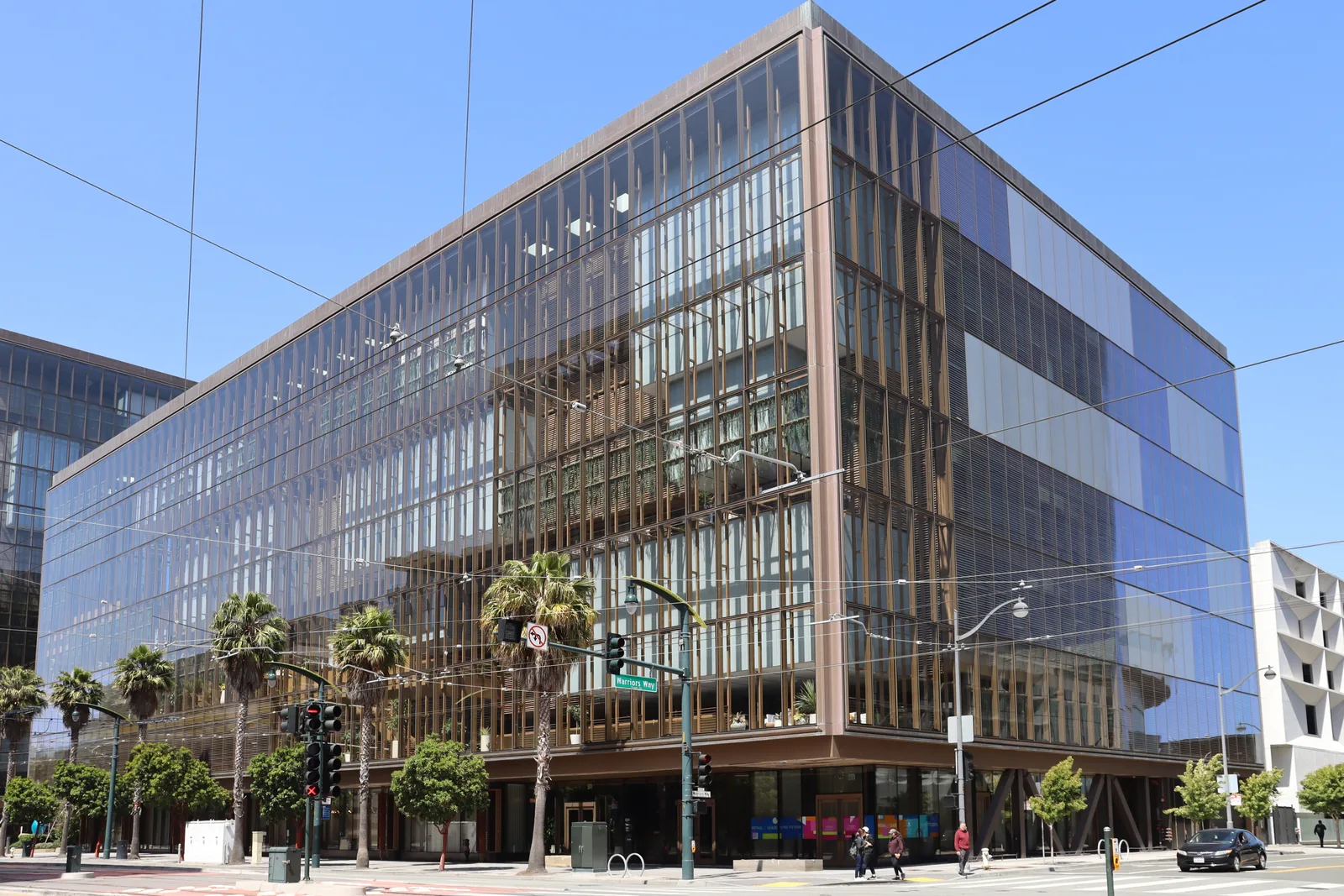 File photo
What happened
Key facts
- The device was likely planted on September 28 and OpenAI discovered it on September 30; the FBI said the device's contents were encrypted.
- The FBI's press release announcing his arrest said Alfozan, a 35-year-old engineer and permanent U.S. resident since 2020, faces up to five years in prison and a $250,000 fine if convicted under unlawful recording laws.
- OpenAI security personnel allegedly discovered a bag containing a second recording device in another room.
- The FBI arrested Abdulrahman Alfozan, 35, a Saudi national and OpenAI engineer.
- OpenAI discovered the recording device plugged into a USB port on the back of a television in a San Francisco building last month.
- The story was published by RT World News on October 14, 2026.
The brief
Abdulrahman Alfozan, an OpenAI engineer, installed a concealed recording device in an OpenAI San Francisco executive conference room; prosecutors say the device contained encrypted data and investigators linked Alfozan to its placement. The Department of Justice charged and Alfozan was arrested; OpenAI added surveillance in the room after discovering the device.
Why it matters
- This incident directly undermines trust inside OpenAI, putting executives’ and engineers’ privacy and sensitive proprietary work at risk and prompting the company to tighten physical and digital security protocols. For OpenAI and other AI firms, the case raises the economic risk of insider-enabled intellectual property theft and could increase compliance and monitoring costs as firms adopt stricter access controls. Prosecutors’ action may also spur regulators and investors to demand clearer safeguards and could affect hiring and collaboration practices across the AI sector.
What to watch next
- Department of Justice: prosecutors will likely file charging papers and seek forensic warrants to access encrypted material on the device and associated cloud accounts; expect new court filings (motions, discovery requests) and a scheduled arraignment or detention hearing within the next 7–14 days.
- OpenAI: security and legal teams are expected to complete an internal investigation and personnel review of Alfozan’s access logs, device inventory, and meeting-room security protocols; watch for OpenAI statements, policy changes, or an employee suspension/termination announcement in the coming weeks.
- Digital forensics labs (federal or contracted): investigators will attempt to decrypt and extract audio/data from the concealed recorder and any linked accounts; expect forensic reports or expert declarations to appear in filings or press releases over the next 30 days.
- Potential co-defendant or related charges: prosecutors may expand the probe to accounts allegedly used to research concealment/encryption methods (including the chatbot account tied to Alfozan’s spouse); monitor DOJ filings for additional charges or subpoenas to the spouse or third parties within several weeks.
How it's being covered
Coverage analysisShow details11 source articles · 11 unique outlets · 10 distinct reportsCoverage mix: Center Only· 8 Center · 1 RightWhere the outlets are based: US/Canada 45% · Europe 18% · Other 37%
- Coverage is currently concentrated among Center-rated outlets (8 of 9 rated sources); comparatively few Left-rated outlets have published on the event.
One source is from a wire service (AP, Reuters, AFP or Bloomberg), whose reporting other outlets often republish.
How outlets' accounts compare
Original sources
11 articles from 11 outletsEvery story links to the reporting it was built from. How we choose sources
Spotted a factual error, a broken link or a misleading summary? Tell us.