
Joyce Beatty asks judge to order release of Kennedy Center records
Joyce Beatty asked a federal judge to order the Trump administration to release nearly 200 text messages and other records linked to the Kennedy Center. The administration says executive privilege requires the communications to remain confidential as Beatty challenges the planned closure for renovations.
AI-assisted synthesis · Based on 5 outlets' reporting · Article text read from 1 of 5 outletsHow it's made
View timeline · 6 entries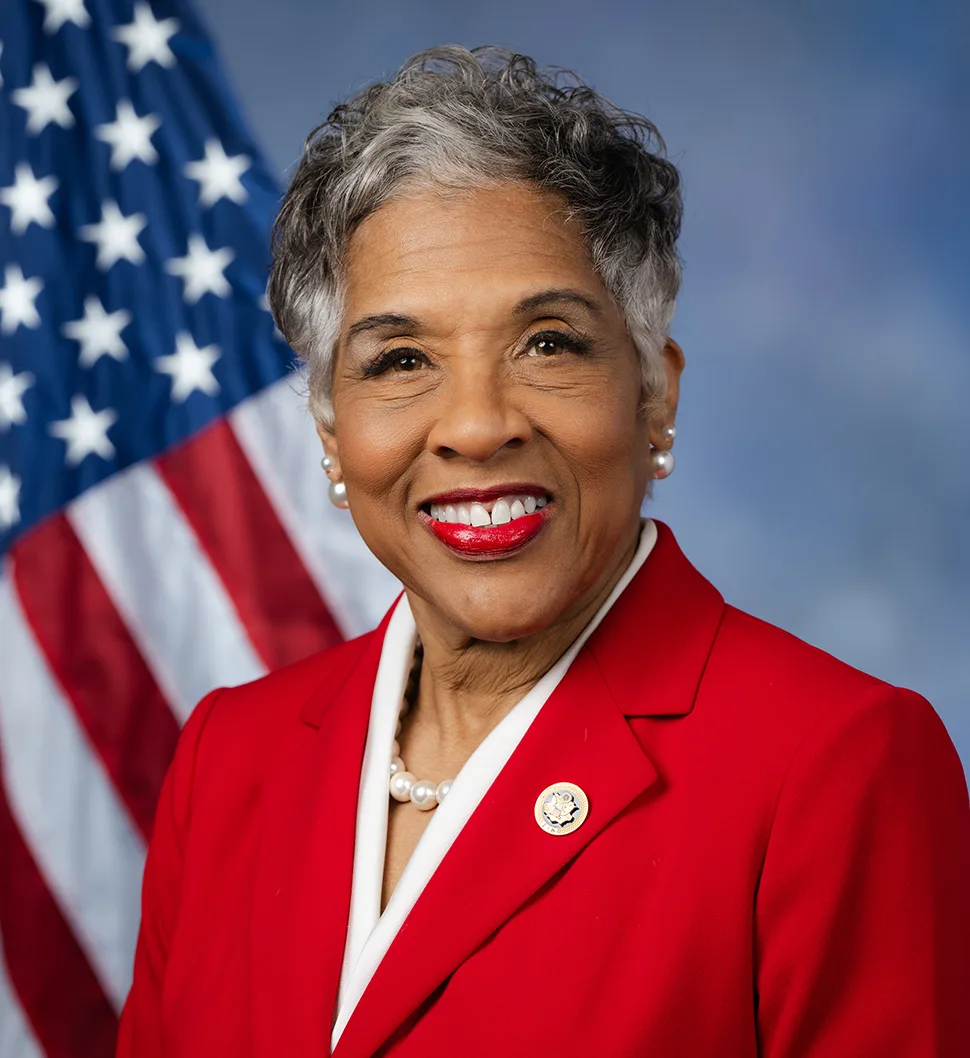 File photo
What happened
Key facts
- Joyce Beatty asked a federal judge to compel the Trump administration to release communications about Kennedy Center plans (per The Times of India, notus.org, daijiworld.com).
- Beatty is an Ohio Democrat and an ex officio member of the Kennedy Center's board (per The Times of India).
- Beatty is challenging plans to close the Kennedy Center for renovations (per The Times of India, daijiworld.com, notus.org).
- Eleven of those 19 messages were exchanged on September 15, when the Kennedy Center's board voted for a third time to close the facility (per The Times of India).
The brief
Joyce Beatty has asked a federal judge to order the Trump administration to release nearly 200 text messages and other records concerning the Kennedy Center, according to The Times of India. The Ohio Democrat, who is an ex officio member of the center’s board, is seeking the communications as she challenges plans to close the Washington performing arts facility for renovations.
Her lawyers filed the latest request on Sunday. The records are divided into two groups described in the account. One contains 19 messages between Floca and Natalie Harp, whom the account identifies as President Donald Trump’s executive assistant.
Eleven of those messages were exchanged on September 15, the day the Kennedy Center board voted for a third time to close the facility. The second group is larger, comprising approximately 180 text messages involving Floca and Commerce Secretary Howard Lutnick.
The Times of India reports that Lutnick said the center may need to be “ripped down.” The account does not describe the full contents of either group of communications. Beatty argues that the messages and other records could show how closely Trump participated in decisions about the Kennedy Center and its planned closure.
That is her stated reason for seeking their release; the account does not report that the messages themselves establish his role. The Trump administration argues that the communications should remain confidential under executive privilege.
The dispute therefore turns on Beatty’s effort to obtain records for her challenge and the administration’s position that the material should be withheld. The account does not report a ruling on this latest request. The Times of India also reports that a judge previously ruled that Trump’s name had been illegally added to the Kennedy Center and ordered its removal.
In a separate measure concerning the property, Cooper required the Kennedy Center to give 30 days’ notice before making major physical changes. The account does not identify Cooper by first name or give further details about the scope of that requirement.
Why it matters
- Beatty’s court request seeks access to nearly 200 Kennedy Center messages and records, including communications involving senior officials.
- The Trump administration’s executive-privilege position is the stated basis for keeping the communications confidential.
- The messages could bear on Beatty’s challenge to the center’s planned closure for renovations; Beatty says they may clarify Trump’s involvement in the decisions.
What to watch next
- Whether the federal judge orders the Trump administration to release the Kennedy Center communications.
- Whether Beatty’s challenge to the planned closure for renovations proceeds alongside the records dispute.
How it's being covered
Coverage analysisShow details5 source articles · 5 unique outletsOutlet political mix: Center Only· 5 CenterWhere the outlets are based: US/Canada 40% · Asia 40% · Other 20%
- Coverage is currently concentrated among Center-rated outlets (5 of 5 rated sources); comparatively few Left or Right-rated outlets have published on the event.
How outlets' accounts compare
Timeline
Developments from this story's sources, dated background we compiled and fact-checked, and our earlier coverage. Each row says which.- President Dwight D. Eisenhower signed the National Cultural Center Act, establishing the center in Washington.Background · compiled and fact-checked by Updat3
- Congress amended the law in 1964 to rename the institution the John F. Kennedy Center for the Performing Arts, after Kennedy’s assassination.Background · from our historical context
- The center opened on September 8, 1971, with a performance attended by President Richard Nixon.Background · from our historical context
- Joyce Beatty won election to represent Ohio in the U.S. House.Background · compiled and fact-checked by Updat3
- Donald Trump was inaugurated for a second, non-consecutive term as U.S. president.Background · compiled and fact-checked by Updat3
- The Kennedy Center board elected Donald Trump as its chairman.Background · compiled and fact-checked by Updat3
How we got here
On September 15, the Kennedy Center’s board voted for a third time to close the facility for renovations, according to the reporting that preceded this dispute. Joyce Beatty, an Ohio Democrat and an ex officio member of the center’s board, opposed the closure plans.
Congress established the National Cultural Center in Washington through the National Cultural Center Act of 1958, signed by President Dwight D. Eisenhower on September 2 of that year. Congress amended the law in 1964 to rename the institution the John F. Kennedy Center for the Performing Arts, after Kennedy’s assassination.
Original sources
2 of 5 articles · Asia · Show allEvery story links to the reporting it was built from. How we choose sources
Spotted a factual error, a broken link or a misleading summary? Tell us.