
Netanyahu campaigns on Iran and wartime leadership as Israelis vote
Benjamin Netanyahu made his wartime leadership and Donald Trump’s position on Iran central to his campaign as Israel prepared to vote. Gadi Eisenkot said Trump would work with any leader voters chose, while Netanyahu’s bloc later led in partial results but remained short of a majority.
AI-assisted synthesis · Based on 6 outlets' reporting · Article text read from 2 of 6 outlets · 2 articles captured only in partHow it's made
View timeline · 11 entries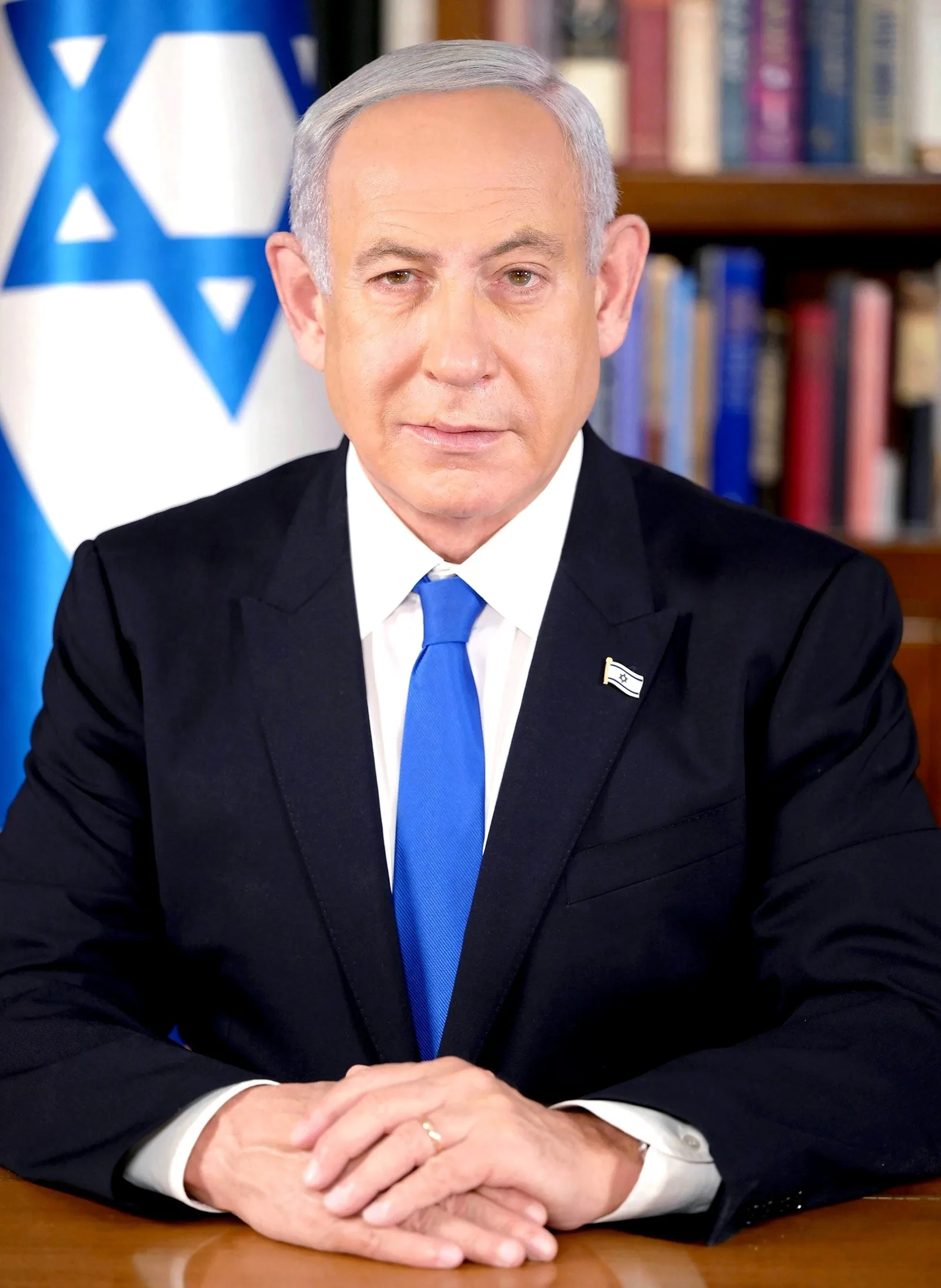 File photo
What happened
Key facts
- Netanyahu said Donald Trump was prepared to act again to remove the Iranian threat, but only if Netanyahu remained in power (per The Times of India).
- Gadi Eisenkot accused Netanyahu of using fear, lies and threats in his campaign and said Trump would cooperate with any leader voters chose (per The Times of India, New York Post).
- After Israel’s election, Netanyahu’s coalition led with 53 seats while more than 90% of the vote had been counted (per New York Post).
- Gadi Eisenkot’s Change bloc had 49 seats with more than 90% of the vote counted (per New York Post).
- Netanyahu may need support from Itamar Ben-Gvir and Bezalel Smotrich to secure a governing majority (per The Times of India).
The brief
Benjamin Netanyahu made his wartime leadership and his ties to Donald Trump central to his campaign as Israel prepared to vote, presenting the election as consequential for the country’s approach to Iran. In a statement on Sunday, Netanyahu said Trump was ready to act again to remove what he called the Iranian threat, but only if Netanyahu stayed in power.
Gadi Eisenkot, Netanyahu’s challenger, offered a contrasting account of Trump’s role. Eisenkot accused Netanyahu of relying on fear, lies and threats in his campaign and said Trump would cooperate with whichever leader voters selected. The candidates thus presented opposing claims about whether Netanyahu’s continued leadership was necessary for U.S. action concerning Iran.
The Times of India’s account, which attributed its reporting to Reuters, situated the contest around Netanyahu’s leadership after the Hamas-led October 7, 2023, attacks and successive wars in Gaza and with Iran. It also described Israel as facing growing international isolation and said divisions over Netanyahu’s right-wing government had shaped the campaign.
These issues form the wider backdrop to voters’ decision, while the campaign’s specific claims about Trump and Iran remained the candidates’ own. After voting, partial results put Netanyahu’s coalition at 53 seats and Eisenkot’s Change bloc at 49, with more than 90% of votes counted.
Neither bloc had the 61 seats needed for a majority, leaving the formation of a government unresolved in the reported count. The New York Post described Netanyahu as leading; its account also characterized the contest as a pivotal election, while the Times of India focused on the campaign before voting.
The seat count points to the immediate political test: Netanyahu may need support from Itamar Ben-Gvir and Bezalel Smotrich to secure a governing majority. The Times of India said some Western countries had sanctioned both men over allegations that they incited violence against Palestinians.
Those sanctions and allegations are part of the political context around possible coalition support, not a finding of guilt stated in the reporting. The coverage also gives different weight to the election’s implications for the Iran war.
The New York Post asserted that Netanyahu’s lead made a further phase of the war almost certain and quoted Iran expert Beni Sabti as saying Iranian leaders feared Netanyahu because of his statements about Iran and another attack.
That forecast and Sabti’s assessment are claims in the Post’s account; the Times of India instead reported the candidates’ competing statements about Trump and did not make the same prediction.
Why it matters
- Israeli voters’ choice determines which leader attempts to assemble a government; neither bloc had reached the 61 seats needed for a majority.
- Netanyahu tied his continued leadership to the prospect of Trump acting again against Iran, while Eisenkot said Trump would work with any leader voters chose.
- Palestinians are specifically implicated in the campaign’s coalition arithmetic: the Times of India reported sanctions by some Western countries against Ben-Gvir and Smotrich over allegations of inciting violence against Palestinians.
- A possible governing majority may depend on support from Ben-Gvir and Smotrich, placing those coalition negotiations alongside the unresolved 53-to-49 partial seat count.
What to watch next
- Whether Netanyahu secures support from Itamar Ben-Gvir and Bezalel Smotrich to reach a governing majority.
- Whether either bloc reaches the 61 seats required for a majority as the vote count concludes.
- Whether Netanyahu or Eisenkot’s account of Trump’s position on Iran is reflected in the government formed after the election.
- Whether the Iran-war forecast in the New York Post’s account is borne out; the report framed a further phase as almost certain.
How it's being covered
Coverage analysisShow details6 source articles · 6 unique outletsOutlet political mix: Mostly Center· 4 Center · 2 RightWhere the outlets are based: Asia 50% · US/Canada 17% · Other 33%
How outlets' accounts compare
3 framing differences · 4 uncorroborated claims · 3 information gaps- The New York Post emphasized Netanyahu’s post-election lead and forecast that it made another phase of the Iran war almost certain; the Times of India focused on the candidates’ competing campaign claims about Trump and Iran.
- The Times of India described Israel as facing growing international isolation and highlighted the October 7 attacks, successive wars and domestic political divisions; the New York Post’s excerpt concentrated on partial seat results and the Iran-war forecast.
- The sources do not establish whether Trump would act against Iran depending on the election outcome: Netanyahu said he would act again only if Netanyahu remained in power, while Eisenkot said Trump would cooperate with any leader voters chose.
- Netanyahu linked possible further U.S. action against Iran to his remaining in power; Eisenkot disputed that account and said Trump would work with any elected leader.
- Netanyahu said Trump was prepared to act again to remove the Iranian threat only if Netanyahu remained in power.
- Eisenkot accused Netanyahu of using fear, lies and threats and said Trump would cooperate with any leader voters chose.
- The New York Post quoted Beni Sabti saying Iran’s leadership feared Netanyahu because of his statements about Iran and another attack.
- The coverage does not provide vote totals, final results, or a completed account of government formation.
- The coverage does not give civilian casualty figures for the wars it mentions.
- The New York Post’s prediction that another phase of the Iran war was almost certain is not independently confirmed in the Times of India account.
Timeline
Developments from this story's sources, dated background we compiled and fact-checked, and our earlier coverage. Each row says which.- In 1953, the CIA and MI6 helped overthrow Prime Minister Mohammad Mosaddegh in Operation Ajax, restoring the Shah’s authority.Background · from our historical context
- The JCPOA was signed on July 14, 2015, by Iran and six world powers, after years of disputes over Iran’s nuclear program and sanctions.Background · from our historical context
- President Donald Trump announced that the United States would withdraw from the nuclear agreement with Iran and reimpose sanctions.Background · compiled and fact-checked by Updat3
- Iran began exceeding JCPOA limits in 2019; Iranian officials said those steps followed the US withdrawal.Background · from our historical context
- Donald Trump publicly backed Benjamin Netanyahu’s re-election campaign.Background · compiled and fact-checked by Updat3
- Israel held a Knesset election in which Benjamin Netanyahu's bloc won a majority.Background · compiled and fact-checked by Updat3
- Hamas-led attackers killed about 1,200 people in Israel and took about 250 hostages.Background · compiled and fact-checked by Updat3
- Iran launched drones and missiles at Israel after an Israeli strike on an Iranian diplomatic compound in Damascus.Background · compiled and fact-checked by Updat3
- Israel struck Iranian targets after Iran launched a missile attack on Israel earlier that month.Background · compiled and fact-checked by Updat3
- On February 28, 2026, the United States and Israel launched coordinated strikes on Iran, targeting power plants, air defenses and military infrastructure.Background · from our historical context
- Donald Trump said the United States should stay out of Israel’s election, while leaving open the possibility of endorsing a candidate.Background · compiled and fact-checked by Updat3
How we got here
On February 28, 2026, the United States and Israel launched coordinated strikes on Iran, targeting power plants, air defenses and military infrastructure. Iran and the United States and Israel have characterized their respective actions in the ensuing war as defensive or responsive.
Earlier direct exchanges between Israel and Iran had occurred in 2024: after an April 1 Israeli strike on an Iranian diplomatic compound in Damascus, Iran launched drones and missiles at Israel on April 13–14; Israel struck near Isfahan on April 19. Iran launched another missile attack on October 1, and Israel struck Iranian targets on October 26.
Original sources
6 articles from 6 outletsEvery story links to the reporting it was built from. How we choose sources
Spotted a factual error, a broken link or a misleading summary? Tell us.