
Netanyahu campaigns on wartime record as Israel votes
Benjamin Netanyahu made his wartime leadership and relationship with Donald Trump central to his campaign ahead of Israel’s vote. Netanyahu said Trump was prepared to act against Iran again only if Netanyahu remained in power, while Gadi Eisenkot said Trump would work with any leader voters chose.
AI-assisted synthesis · Based on 5 outlets' reporting · Article text read from 1 of 5 outlets · 1 article captured only in partHow it's made
View timeline · 13 entries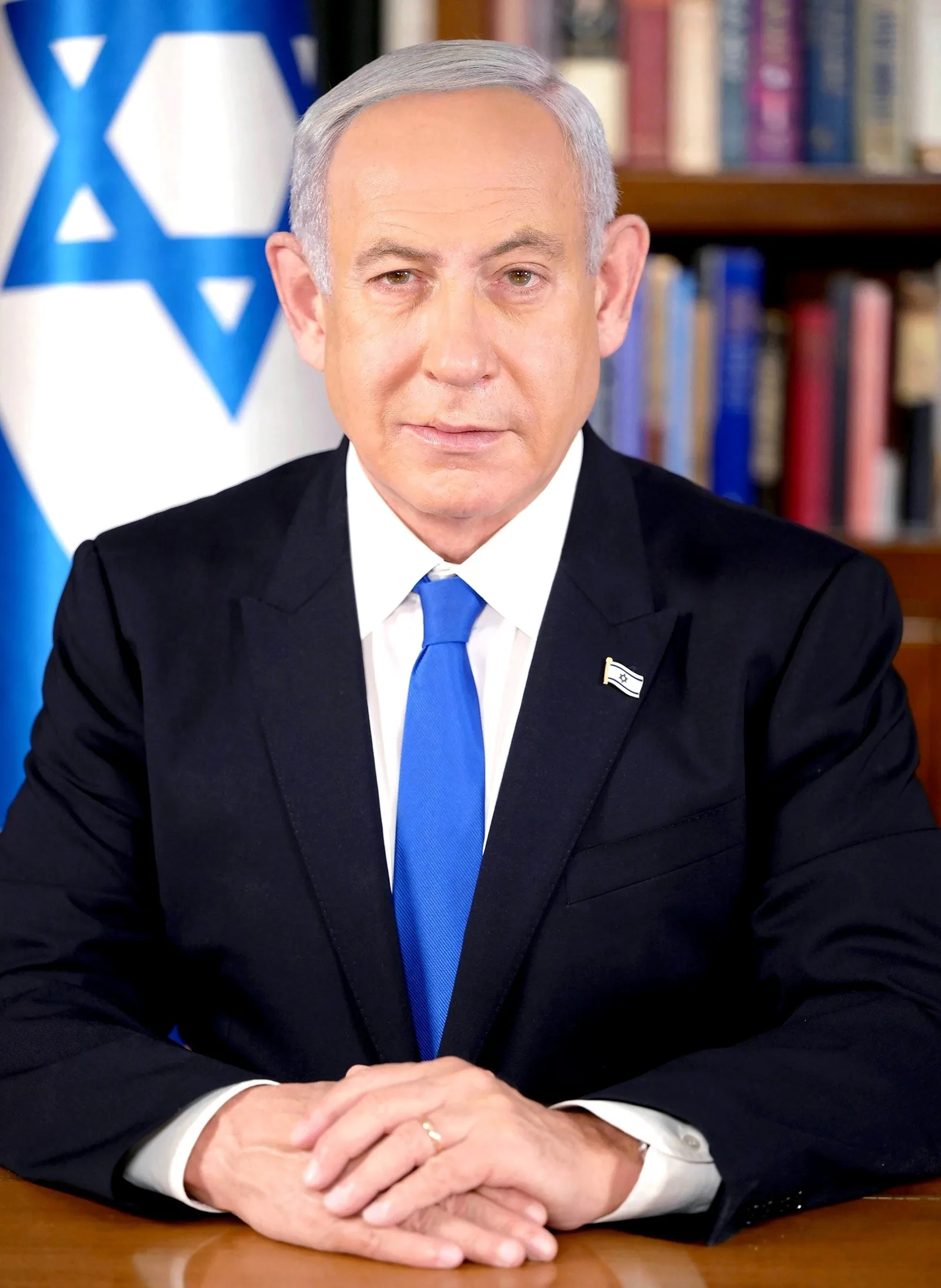 File photo
What happened
Key facts
- Netanyahu said Trump was prepared to act again to remove the Iranian threat, but only if Netanyahu remained in power.
- Eisenkot accused Netanyahu of using fear, lies and threats in his campaign and said Trump would cooperate with any leader chosen by voters.
- Netanyahu may need support from Itamar Ben-Gvir and Bezalel Smotrich to secure a governing majority.
- Some Western countries have sanctioned Ben-Gvir and Smotrich over allegations of inciting violence against Palestinians.
The brief
Benjamin Netanyahu put his record as a wartime leader and his relationship with Donald Trump at the center of his campaign ahead of Israel’s vote, The Times of India reported. Netanyahu argued that Trump was prepared to act against Iran again to remove what he called the Iranian threat, but made that prospect conditional on his remaining in power.
The report did not specify what action Trump might take. Gadi Eisenkot, an opponent of Netanyahu, challenged that claim and his campaign’s approach. Eisenkot accused Netanyahu of relying on fear, lies and threats, and said Trump would cooperate with whichever leader voters selected.
The two men therefore offered contrasting accounts of whether Trump’s approach to Iran depended on Netanyahu’s continued leadership. The election follows the Hamas-led attacks of October 7, 2023, and subsequent wars in Gaza and with Iran, which The Times of India said have shaped the political landscape. The outlet also described growing international isolation for Israel.
It reported that voters were assessing Netanyahu’s leadership against that record, while noting that not all voters considered him responsible for the October 7 attacks. Netanyahu, who had spent 19 years in office and was Israel’s longest-serving leader, faced a test of his political future.
His campaign’s emphasis on wartime leadership came alongside divisions over his right-wing government. The Times of India said opponents viewed the vote as a chance to address accountability for security failures that preceded the October 7 attacks; that was their characterization, not a settled finding in the report.
The possible shape of a governing majority was another factor. Netanyahu might need support from Itamar Ben-Gvir and Bezalel Smotrich, the outlet reported. Some Western countries had sanctioned the two men over allegations that they incited violence against Palestinians.
Those allegations and sanctions form part of the political context around the potential coalition support, but the report does not describe the terms of the sanctions or identify the countries involved. The immediate political stakes are whether voters keep Netanyahu in power and which leaders can assemble a governing majority.
Netanyahu’s conditional claim about Trump’s possible action toward Iran and Eisenkot’s assertion that Trump would work with any elected leader leave voters with sharply different pitches about the connection between Israel’s leadership and U.S. policy. The report identifies those competing claims but does not establish what Trump would do under either outcome.
Why it matters
- Israeli voters are deciding whether Netanyahu remains in power; his campaign linked that outcome to Trump’s possible future action against Iran.
- A governing majority may depend on support from Itamar Ben-Gvir and Bezalel Smotrich, connecting coalition formation to the political role of two figures some Western countries sanctioned over allegations involving violence against Palestinians.
- The vote is being contested against the backdrop of the October 7, 2023 attacks, subsequent wars in Gaza and with Iran, and Israel’s growing international isolation, as described by The Times of India.
What to watch next
- Whether Netanyahu remains in power, the condition he attached to Trump acting against Iran again.
- Whether Itamar Ben-Gvir and Bezalel Smotrich support a governing majority for Netanyahu.
- Whether voters choose a leader in line with Eisenkot’s claim that Trump would cooperate with any leader they select.
How it's being covered
Coverage analysisShow details5 source articles · 5 unique outletsOutlet political mix: Mostly Center· 4 Center · 1 RightWhere the outlets are based: Asia 60% · Middle East 20% · Other 20%
- Coverage is currently concentrated among Center-rated outlets (4 of 5 rated sources); comparatively few Left-rated outlets have published on the event.
How outlets' accounts compare
Timeline
Developments from this story's sources, dated background we compiled and fact-checked, and our earlier coverage. Each row says which.- In 1953, the CIA and MI6 helped overthrow Prime Minister Mohammad Mosaddegh in Operation Ajax, restoring the Shah’s authority.Background · from our historical context
- Benjamin Netanyahu first became Israel’s prime minister.Background · compiled and fact-checked by Updat3
- The JCPOA was signed on July 14, 2015, by Iran and six world powers, after years of disputes over Iran’s nuclear program and sanctions.Background · from our historical context
- President Donald Trump announced that the United States would withdraw from the nuclear agreement with Iran and reimpose sanctions.Background · compiled and fact-checked by Updat3
- Iran began exceeding JCPOA limits in 2019; Iranian officials said those steps followed the US withdrawal.Background · from our historical context
- Donald Trump publicly backed Benjamin Netanyahu’s re-election campaign.Background · compiled and fact-checked by Updat3
- Benny Gantz, Gideon Sa'ar and Gadi Eisenkot formed the National Unity alliance.Background · compiled and fact-checked by Updat3
- Israel held a Knesset election in which Benjamin Netanyahu's bloc won a majority.Background · compiled and fact-checked by Updat3
- Benjamin Netanyahu returned to office as prime minister after his bloc won a majority in the Knesset election.Background · compiled and fact-checked by Updat3
- Hamas-led attackers killed about 1,200 people in Israel and took about 250 hostages.Background · compiled and fact-checked by Updat3
- Iran launched a missile attack on Israel.Background · compiled and fact-checked by Updat3
- On February 28, 2026, the United States and Israel launched coordinated strikes on Iran, targeting power plants, air defenses and military infrastructure.Background · from our historical context
- Donald Trump said the United States should stay out of Israel’s election, while leaving open the possibility of endorsing a candidate.Background · compiled and fact-checked by Updat3
How we got here
On February 28, 2026, the United States and Israel launched coordinated strikes on Iran, targeting power plants, air defenses and military infrastructure. Iran and the United States and Israel have characterized their respective actions in the ensuing war as defensive or responsive.
Earlier direct exchanges between Israel and Iran had occurred in 2024: after an April 1 Israeli strike on an Iranian diplomatic compound in Damascus, Iran launched drones and missiles at Israel on April 13–14; Israel struck near Isfahan on April 19. Iran launched another missile attack on October 1, and Israel struck Iranian targets on October 26.
Original sources
1 of 5 articles · Unknown · Show allEvery story links to the reporting it was built from. How we choose sources
Spotted a factual error, a broken link or a misleading summary? Tell us.