
Rubio says Reliance could process more Venezuelan crude at Jamnagar
Marco Rubio said Reliance Industries could process more Venezuelan crude as supplies increase. He said the company has handled heavy crude before, and discussions about processing Venezuelan oil at its Jamnagar refinery are expected during his visit to India.
AI-assisted synthesis · Based on 5 independent reports from 6 outlets · Article text read from 1 of 5 reportsHow it's made
View timeline · 9 entries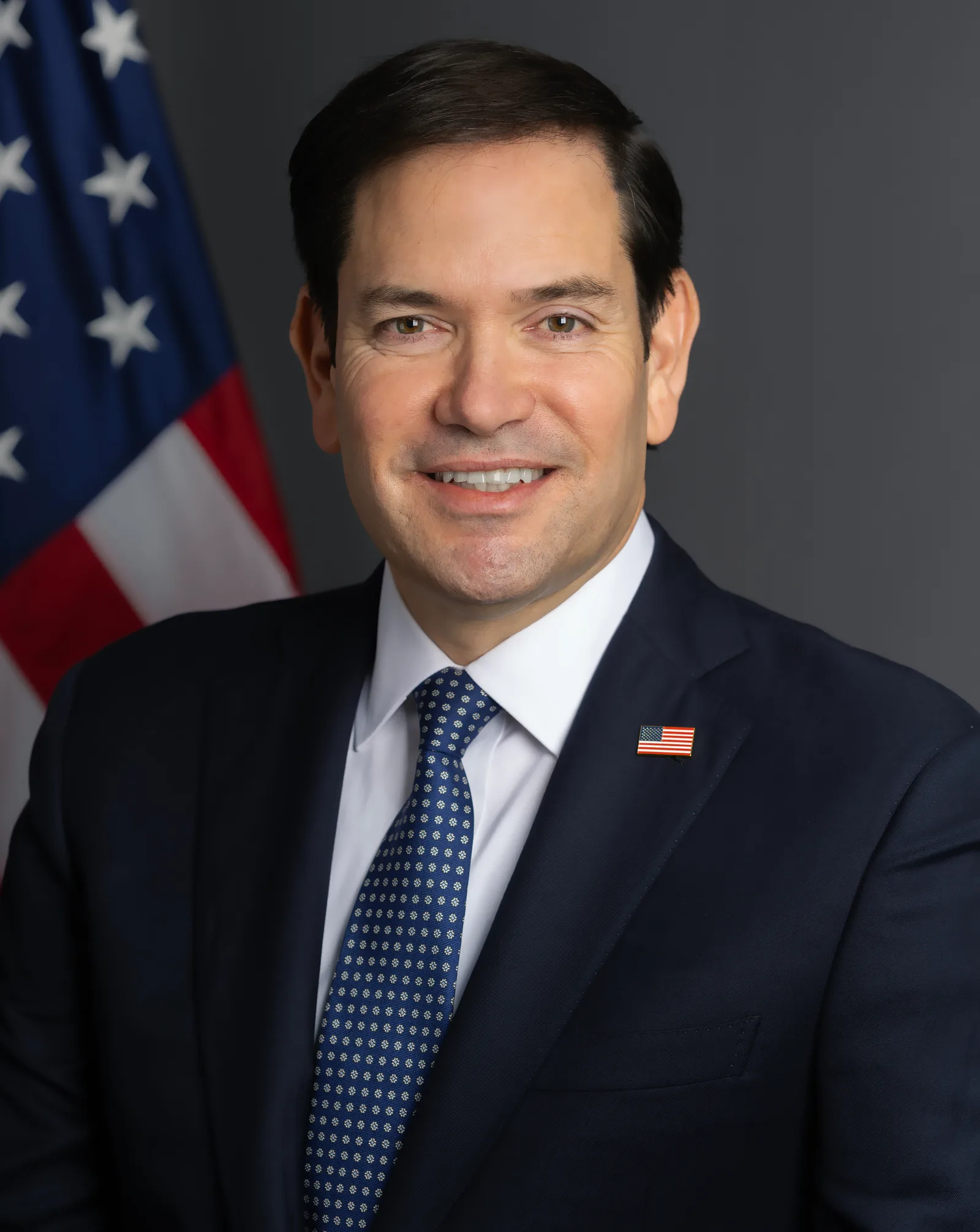 File photo
What happened
Key facts
- Marco Rubio said Reliance Industries could refine more Venezuelan crude as supplies increase (per ibtimes.co.in, marketscreener.com, devdiscourse.com).
- Rubio said Reliance has the capability to refine heavy crude and has done so in the past (per ibtimes.co.in).
- Discussions with Reliance Industries are expected during Rubio's visit to India and are expected to focus on processing Venezuelan crude at its Jamnagar refinery in Gujarat (per ibtimes.co.in).
- Rubio said refining capacity is important to global energy security (per ibtimes.co.in).
- The article says Reliance halted Venezuelan crude purchases amid the threat of additional U.S. tariffs on countries buying Venezuelan oil (per ibtimes.co.in, tbsnews.net, The Hindu).
The brief
U.S. Secretary of State Marco Rubio said Reliance Industries could process more Venezuelan crude if supplies from the South American country increase, according to IBTimes India. Rubio said the Indian company has refined heavy crude before and has the capability to do so again.
He described any additional processing as a possibility tied to more Venezuelan oil becoming available, rather than announcing a confirmed purchase or processing arrangement. Rubio made the remarks ahead of a visit to India. During the trip, discussions with Reliance are expected to address processing Venezuelan crude at the company’s Jamnagar refinery in Gujarat.
IBTimes India reported that the anticipated talks concern the refinery and Venezuelan oil; its account does not say that Reliance has agreed to resume purchases or specify a future volume. Rubio characterized India as a “refining superpower” and said refining capacity matters to global energy security.
The Business Standard and The Economic Times headlines also quote that description. The Hindu headline says Rubio was expected to discuss refining Venezuelan crude with Reliance and separately refers to India’s progress in diversifying energy supplies. Those headline details do not add further specifics about the expected Jamnagar discussions.
IBTimes India, citing LSEG data reported by Reuters, said Reliance imported an average of around 2 million barrels of Venezuelan crude per month before it stopped buying the oil in 2025. The outlet linked the halt to the threat of additional U.S. tariffs on countries purchasing Venezuelan oil.
Its account does not identify a date for the halt or describe the terms of any tariff action. The article also notes that India imports more than 85% of its crude oil requirements, placing the potential processing discussions in the context of its reliance on imported crude.
It presents diversification of supply as an important consideration for India, without quantifying how any possible increase in Venezuelan crude processing would affect that reliance. The immediate next step described is the expected discussion between Rubio and Reliance during his India visit.
Whether the talks lead to resumed or expanded purchases would depend, the article says, on Venezuelan supply availability and the applicable regulatory framework. The account does not state that either condition has been met.
Why it matters
- India imports more than 85% of its crude oil requirements, and IBTimes India identifies supply diversification as an important consideration for the country.
- Reliance’s past purchases averaged around 2 million barrels of Venezuelan crude per month, giving a concrete measure of its former trade with Venezuela.
- The article says the company halted purchases amid the threat of additional U.S. tariffs on countries buying Venezuelan oil, making the regulatory framework relevant to any possible return.
- Jamnagar in Gujarat is the refinery identified for the expected discussions about processing Venezuelan crude.
What to watch next
- Whether Rubio and Reliance discuss processing Venezuelan crude at the Jamnagar refinery during his India visit.
- Whether Venezuelan crude supplies increase, the condition Rubio cited for Reliance potentially processing more.
- Whether Reliance resumes or expands purchases, which the article says would depend on supply availability and the applicable regulatory framework.
How it's being covered
Coverage analysisShow details6 source articles · 6 unique outlets · 5 distinct reportsOutlet political mix: Center Only· 5 Center · 1 unratedWhere the outlets are based: Asia 83% · Europe 17%
- Coverage is currently concentrated among Center-rated outlets (5 of 5 rated sources); comparatively few Left or Right-rated outlets have published on the event.
- Coverage is currently concentrated among outlets based in Asia (5 of 6 geographically-identified sources).
How outlets' accounts compare
Timeline
Developments from this story's sources, dated background we compiled and fact-checked, and our earlier coverage. Each row says which.- Reliance Industries began operations at the first phase of its Jamnagar refinery.Background · compiled and fact-checked by Updat3
- Hugo Chávez’s government required foreign companies in Venezuela’s Orinoco Belt to accept majority state ownership.Background · compiled and fact-checked by Updat3
- Reliance commissioned a second refinery at Jamnagar.Background · compiled and fact-checked by Updat3
- The United States imposed financial sanctions on Venezuela.Background · compiled and fact-checked by Updat3
- The U.S. Treasury Department designated Venezuela’s state oil company, PDVSA, under sanctions.Background · compiled and fact-checked by Updat3
- The U.S. Treasury Department issued a license allowing Chevron to resume limited oil production in Venezuela.Background · compiled and fact-checked by Updat3
- The United States temporarily eased some Venezuela-related sanctions after an agreement between the Venezuelan government and opposition representatives.Background · compiled and fact-checked by Updat3
- In April 2024, Washington allowed that broad sanctions relief to expire, while retaining some specific authorizations.Background · from our historical context
- On March 24, 2025, President Donald Trump announced a 25% tariff on goods from countries that bought Venezuelan oil, a threat that put Reliance Industries’ Venezuelan crude purchases at risk.Background · from our historical context
How we got here
On March 24, 2025, President Donald Trump announced a 25% tariff on goods from countries that bought Venezuelan oil, a threat that put Reliance Industries’ Venezuelan crude purchases at risk. Reliance had stopped buying the oil amid that tariff threat, after previously importing Venezuelan crude for processing at its Jamnagar refinery. On January 28, 2019, the U.S.
Treasury Department designated Venezuela’s state oil company, Petróleos de Venezuela, S.A. (PDVSA), under sanctions that blocked its property under U.S. jurisdiction and restricted its access to U.S. markets.
Original sources
1 of 6 articles · Europe · Show allEvery story links to the reporting it was built from. How we choose sources
Spotted a factual error, a broken link or a misleading summary? Tell us.