
SpaceX speed limits on Starlink disrupted Ukrainian drone missions, Kyiv says
Ukraine reported that SpaceX imposed speed limits on Starlink terminals that disrupted Ukrainian drone missions. Ukrainian officials said the restriction initially cut connections at lower speeds and later eased to a higher limit, and Kyiv is contacting the US, SpaceX and NATO partners to restore backup links.
AI-assisted synthesis · Based on 6 outlets' reporting · Full text read from 3 of 6 outletsHow it's made
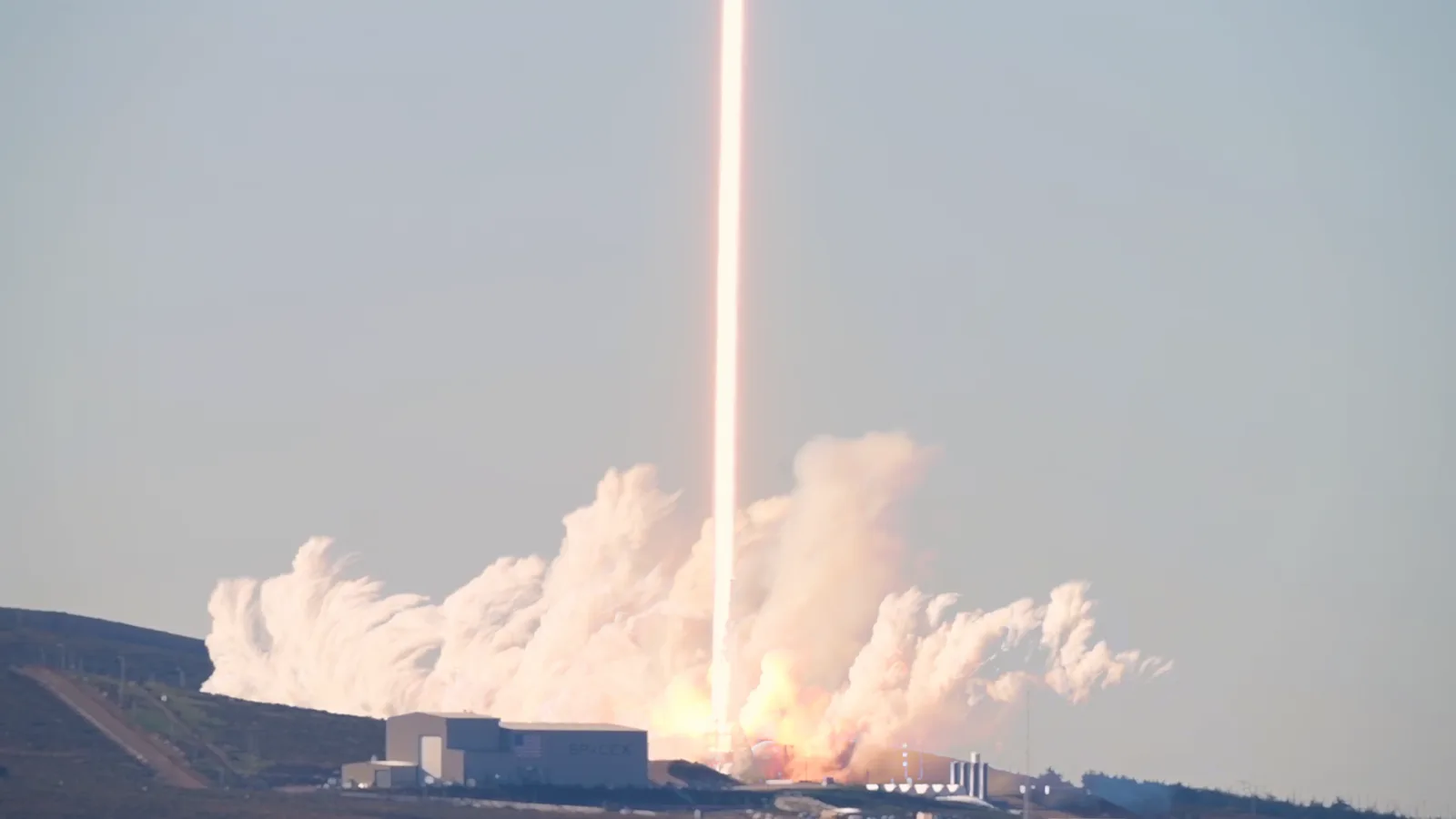 File photo
What happened
Key facts
- Ukrainian officials reported that SpaceX imposed speed limits on Starlink terminals which disrupted military drone operations (per Business Insider, The Times of India, slovoproslovo.info).
- Serhii Beskrestnov, a top adviser to President Volodymyr Zelenskyy, said the restriction throttled the company's Starshield military service at speeds above 100 miles per hour (about 161 km/h) (per Business Insider).
- Some Ukrainian units experienced loss of Starlink connection when drones reached speeds as low as 45 miles per hour (per Business Insider).
- Later on the same day, Ukraine's defence ministry reported that SpaceX continued to enforce a speed limit of 161 km/h and that communication quality had improved at speeds up to 160 km/h (per Business Insider).
- Ukraine said the disruption was limited to terminals operating inside Ukrainian territory and Russian-occupied territory because Starlink does not work inside Russia (per Business Insider, The Times of India, slovoproslovo.info).
- Ukrainian officials said they are in contact with the US, SpaceX and NATO partners and are working to install backup communication channels (per Business Insider, The Times of India, slovoproslovo.info).
- Ukrainian commentators and Serhiy Beskrestnov suggested the Starlink limits may be linked to Washington pressuring Kyiv over strikes on Russian oil infrastructure (per The Times of India, Business Insider, slovoproslovo.info).
- The Times of India reported that by some accounts Ukraine has more than 50,000 Starlink terminals (per The Times of India).
- slovoproslovo.info reported that SpaceX introduced new restrictions on terminals operating under its military Starshield service during overnight operations on October 13–14 (per slovoproslovo.info).
The brief
Ukrainian officials say SpaceX imposed speed limits on Starlink terminals that interrupted drone missions used for mid-range strikes, front-line logistics and air-defence intercepts.
Kyiv reported that some units lost connection when drones reached speeds as low as 45 mph and that later in the day the enforced limit was about 161 km/h, with communication quality improving up to roughly 160 km/h.
Serhii Beskrestnov, who is described in reporting as an adviser to President Volodymyr Zelenskyy and a military technology commentator, told journalists the restriction throttled Starshield, SpaceX’s dedicated military service, at speeds above 100 mph (about 161 km/h).
Ukrainian defence ministry statements the same day echoed that an enforced 161 km/h cap remained while earlier restrictions had been tighter. Reporting notes the disruption affected terminals inside Ukrainian-controlled and Russian-occupied territory because Starlink does not operate inside Russia.
Ukrainian officials said they are communicating with the US, SpaceX and NATO partners and are working to install backup communications channels.
Some commentators and Beskrestnov linked the timing of the limits to reported diplomatic pressure from the United States over Ukrainian strikes on Russian oil infrastructure; that linkage was presented as an allegation in reporting, not as a confirmed finding. One outlet reported that Ukraine may have more than 50,000 Starlink terminals by some accounts.
Separate reporting placed the introduction of the restrictions during overnight operations on October 13–14 while noting large-scale Russian missile and drone attacks on Ukrainian energy infrastructure in the same period; the sources do not provide a causal chain that ties those attacks to SpaceX’s actions.
The publicly reported facts are limited to officials’ statements about connection loss at specified speeds, the defence ministry’s later reporting of an eased limit, Kyiv’s outreach to Washington, SpaceX and NATO partners, and commentators’ allegations linking the measures to diplomatic pressure; independent technical confirmation of SpaceX’s policy change or its motives does not appear in the sourced reporting.
Why it matters
- Ukrainian frontline units bear immediate operational costs because loss of high-speed Starlink connectivity disrupted drone missions used for mid-range strikes, front-line logistics and air-defence intercepts, as reported by Kyiv officials and Serhii Beskrestnov.
- SpaceX’s enforcement of speed limits on Starshield service reduced connectivity at specific drone speeds (losses reported at about 45 mph and an enforced cap reported at 161 km/h), directly degrading a communications mechanism Ukraine relies on for certain battlefield maneuvers.
- The Ukrainian government’s documented response—contacting the US, SpaceX and NATO partners and installing backup channels—identifies the United States, SpaceX and NATO as actors with a documented role in restoring those communications.
- Allegations by Ukrainian commentators and Beskrestnov that US pressure over strikes on Russian oil infrastructure may be linked to the limits indicate competing political interests in Washington that are documented in the reporting, but that linkage remains an unproven claim in the sources.
What to watch next
- Whether SpaceX or the US issues a technical or policy clarification about Starshield speed limits in public statements referenced by Ukrainian officials.
- Whether Ukraine completes installation of backup communication channels that Kyiv officials say they are working on with NATO partners and SpaceX.
- Whether Ukrainian defence ministry updates report further changes to the enforced speed threshold and operational impacts on drone missions.
- Whether named US or NATO officials respond to Ukrainian requests as reported by Kyiv and referenced in coverage linking diplomatic pressure to Starlink limits.
How it's being covered
Coverage analysisShow details8 source articles · 6 unique outletsCoverage mix: Center Only· 3 CenterWhere the outlets are based: US/Canada 33% · Unknown 33% · Other 34%
- Coverage is currently concentrated among Center-rated outlets (3 of 3 rated sources); comparatively few Left or Right-rated outlets have published on the event.
How outlets' accounts compare
3 framing differences · 4 uncorroborated claims · 4 information gaps- Business Insider frames the story around a sudden technical throttling and provides specific speed figures and ministry statements; The Times of India foregrounds political interpretations by Ukrainian commentators linking the limits to US pressure over strikes on Russian oil infrastructure; slovoproslovo.info places the restrictions in the context of overnight Russian missile and drone attacks on October 13–14.
- Business Insider reports loss of connection at speeds as low as 45 mph and cites a 161 km/h limit later enforced; The Times of India cites 'more than 50,000 Starlink terminals' in Ukraine by some accounts while that exact figure is not in the Business Insider excerpt.
- Business Insider and ukrainian officials state SpaceX imposed speed limits that disrupted drone missions; The Times of India reports commentators alleging a causal link to US pressure over strikes on Russian oil infrastructure—this causal link is presented as allegation and not confirmed by Business Insider or slovoproslovo.info.
- Business Insider and slovoproslovo.info attribute the reported restrictions to SpaceX and its Starshield service via Ukrainian officials and Beskrestnov; The Times of India attributes a suggested motive (Washington pressure) to Ukrainian commentators and Serhiy Beskrestnov rather than to SpaceX or US officials.
- Serhii Beskrestnov: the restriction 'throttles the operation of Starshield ... at speeds above 100 miles per hour, or roughly 161 kilometers per hour'.
- The Times of India: by some accounts Ukraine has 'more than 50,000 Starlink terminals'.
- slovoproslovo.info: reported the restrictions were introduced 'during the overnight attack on October 13–14'.
- No report Updat3 read provides independent technical confirmation from SpaceX specifying the policy change, its precise timing in the company’s terms, or an explanation of motive.
- None of the sources supply battlefield-level verification of which specific drone missions failed, how many missions were affected, or operational outcomes beyond officials’ statements.
- No source cites internal SpaceX documentation, a named US official’s formal statement confirming Washington’s involvement, or a named NATO decision that would establish a policy trigger for the limits.
- Whether the speed limits were a technical policy change by SpaceX, a temporary service anomaly, or a measure influenced by external diplomatic pressure is presented as allegation or reported claim in some outlets and is not independently verified in the sourced reporting.
How we got here
On February 26, 2022, two days after Russia’s full-scale invasion began, SpaceX activated Starlink broadband terminals in Ukraine to restore connectivity, a deployment the company announced publicly that week.
The immediate structural framework for Starlink’s international operations rests on the Federal Communications Commission’s March 29, 2018, authorization allowing SpaceX to deploy a large low‑Earth‑orbit satellite constellation under specific licensing conditions.
Original sources
2 of 8 articles · US/Canada · Show allEvery story links to the reporting it was built from. How we choose sources
Spotted a factual error, a broken link or a misleading summary? Tell us.