
Trump backs Netanyahu in Israel election, warns of a lone U.S. confrontation with Iran
Donald Trump endorsed Benjamin Netanyahu ahead of Israel’s October 27 election and warned that a different Israeli leader could leave the United States confronting Iran on its own. Netanyahu thanked Trump, while rival Gadi Eisenkot said Israeli voters should decide the election.
AI-assisted synthesis · Based on 10 outlets' reporting · Article text read from 6 of 10 outlets · 1 article captured only in partHow it's made
View timeline · 11 entries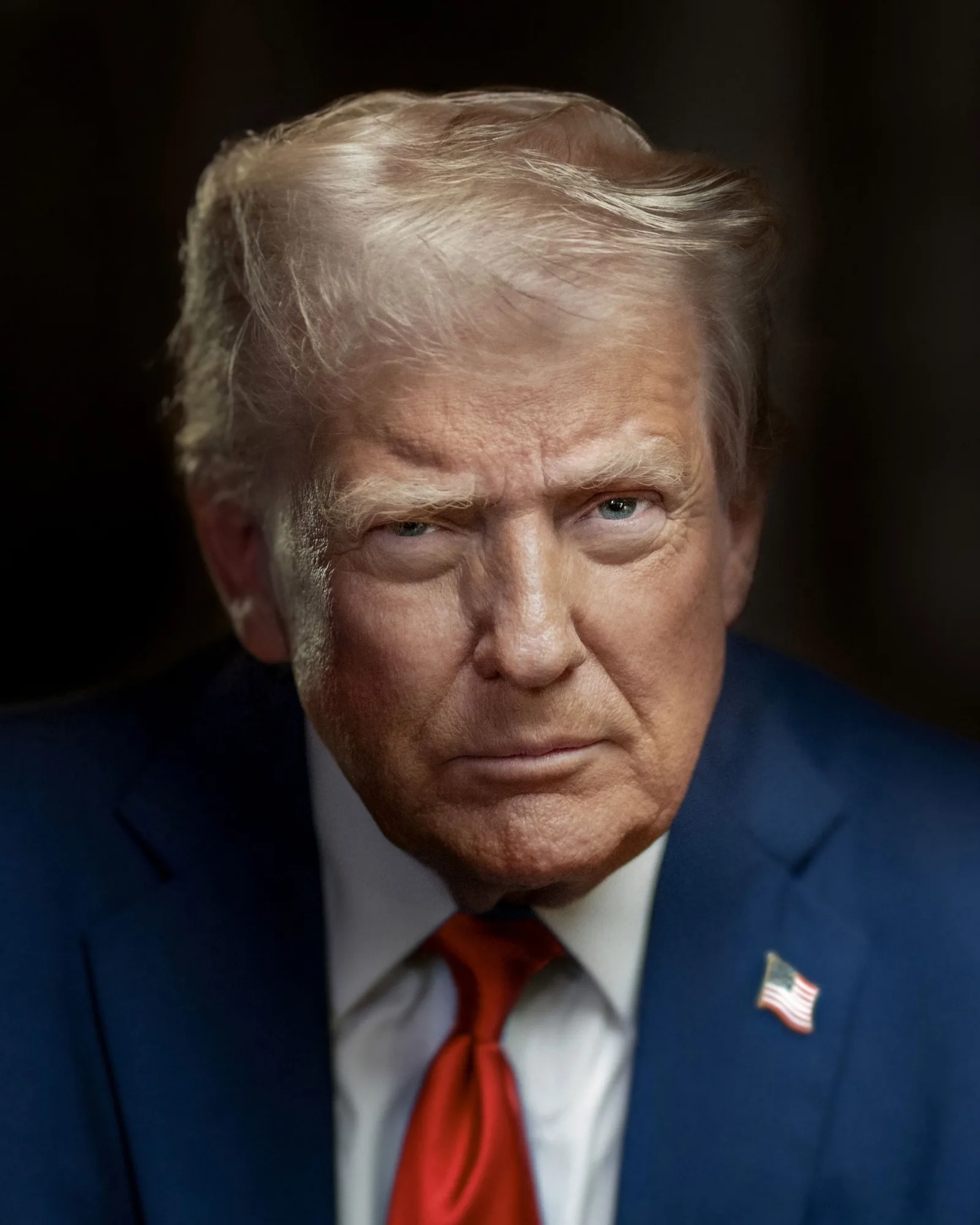 File photo
What happened
Key facts
- Trump warned that if Israel chose a leader other than Netanyahu, the United States could have to handle the work of confronting Iran itself (per cbs12.com, The Sydney Morning Herald, The Times of India).
- Trump praised Netanyahu as a partner for peace and a leader who had worked with him against Iran (per cbs12.com, The Sydney Morning Herald, The Times of India).
- Netanyahu thanked Trump on X, writing, “Together we will complete the mission!” (per cbs12.com, The Sydney Morning Herald, The Times of India).
- Gadi Eisenkot, Netanyahu’s main rival, said Israeli voters should decide the election and described it as a domestic matter (per cbs12.com, The Sydney Morning Herald, The Times of India).
- Israel’s prime minister is selected through parliamentary coalition-building, and a majority generally requires 61 seats (per cbs12.com, The Times of India).
- Polling suggested Netanyahu’s coalition could fall short of the 61 seats needed to form a government (per cbs12.com, The Times of India).
- The article said Israeli public support for Trump had diminished amid disagreements between Israel and the United States over Iran, and that his endorsement was not certain to benefit Likud (per CNA, cbs12.com, The Sydney Morning Herald).
The brief
Donald Trump endorsed Benjamin Netanyahu ahead of Israel’s October 27 parliamentary election and warned that choosing another leader could leave the United States doing the work of confronting Iran itself. Trump presented Netanyahu as a partner in dealing with Iran, while making the American role sound less assured if Netanyahu leaves office.
The endorsement puts the U.S. president directly into an Israeli campaign whose outcome depends on parliamentary coalition-building. Trump praised Netanyahu as a “Great Warrior Prime Minister” and a partner for peace in confronting Iran, according to excerpts of his post reported by The Sydney Morning Herald, the New York Post and the Washington Examiner.
His warning was conditional: if Israel selected someone other than Netanyahu, he said, the United States might have to handle the work itself. The coverage establishes what Trump said, not that a change in Israel’s leadership would in fact alter U.S. policy or military activity. Netanyahu thanked Trump on X and wrote, “Together we will complete the mission!” CBS12 reported.
Netanyahu’s main rival, Gadi Eisenkot, answered the intervention by saying Israeli voters should determine the contest and describing it as a domestic matter. The reports thus present contrasting positions: Trump publicly backed the incumbent and linked his leadership to U.S. efforts against Iran; Eisenkot argued that the choice belongs to Israeli voters.
The election is scheduled for October 27. Israel does not choose its prime minister by a direct popular vote: parties compete for seats in parliament, and a leader must assemble a coalition with sufficient support.
CBS12 reported that polling suggested Netanyahu’s coalition could fall short of the 61 seats needed to form a government; the Times of India also described 61 seats as the general majority threshold. That makes the coalition arithmetic, rather than the endorsement alone, central to whether Netanyahu can remain prime minister.
The endorsement arrives as Netanyahu seeks another term amid domestic criticism and scrutiny over security failures and the wars in Gaza, Lebanon and Iran, according to CBS12. The New York Post also cited his ongoing corruption trial and backlash over the government’s handling of the October 7, 2023 attack.
CBS12 said Netanyahu has denied wrongdoing in the trial and allegations concerning his handling of the war. These are reported political and legal pressures, not findings of guilt. Coverage also records a possible complication for Trump’s intervention.
CNA reported that public support for Trump in Israel had diminished amid disagreements between Israel and the United States over Iran, and said the endorsement was not certain to help Netanyahu and his Likud party. The Sydney Morning Herald noted that Trump had not met Netanyahu at the United Nations General Assembly in New York the previous month, prompting talk of a snub.
These details sit alongside, rather than displace, the central development: Trump has now publicly tied his preference for Netanyahu to the prospect of the United States facing Iran without his partnership. The October 27 vote is described by several outlets as Israel’s first national election since the October 7, 2023 Hamas attack.
That history is part of the political setting reported by the outlets; the immediate stakes are whether Netanyahu’s camp can assemble the parliamentary support required to govern, how Israeli voters receive Trump’s intervention, and whether the next government’s relationship with Washington over Iran changes.
Why it matters
- Israeli voters choose parliament, while coalition-building determines who becomes prime minister; the 61-seat threshold means Netanyahu’s path to government depends on assembling sufficient support.
- Netanyahu and Likud have a direct electoral stake in Trump’s endorsement, but CNA reported that diminished Israeli public support for Trump amid U.S.-Israel disagreements over Iran could limit its value.
- Trump’s warning frames a possible cost for the United States: he said it might have to handle the work of confronting Iran itself if Israel chose another leader.
- Eisenkot’s call for Israeli voters to decide the contest highlights a competing interest in keeping the choice within Israel’s domestic electoral process.
What to watch next
- Whether Israeli voters give Netanyahu’s coalition enough parliamentary support to reach the 61-seat threshold.
- Whether Netanyahu can assemble a governing coalition after the October 27 election.
- Whether Gadi Eisenkot’s call for voters to decide the contest resonates against Trump’s public endorsement.
- Whether the next Israeli government’s relationship with the United States over Iran changes, the issue Trump tied to Netanyahu’s leadership.
How it's being covered
Coverage analysisShow details11 source articles · 10 unique outletsOutlet political mix: Mixed· 2 Left · 5 Center · 3 Right· Wide spread of viewpointsWhere the outlets are based: US/Canada 50% · Asia 30% · Other 20%
How outlets' accounts compare
3 framing differences · 2 uncorroborated claims · 4 information gaps- The Sydney Morning Herald, the Times of India and the Washington Examiner emphasize Trump’s endorsement and his warning that the United States could handle the Iran conflict itself if Netanyahu leaves office; CNA adds that diminished Israeli support for Trump amid Iran disagreements could blunt the endorsement’s electoral value.
- CBS12 includes Gadi Eisenkot’s objection to Trump’s intervention and reports coalition polling below the 61-seat threshold; most other accounts focus more on Trump’s endorsement and Iran warning.
- Trump linked Netanyahu’s leadership to partnership against Iran; Eisenkot characterized the election as a domestic matter and said voters should decide.
- Netanyahu thanked Trump on X with the words, “Together we will complete the mission!” (CBS12).
- Trump warned that if Israel chose a different leader, the United States might have to do the work itself (The Sydney Morning Herald; Washington Examiner).
- The reports do not provide independently verified polling figures or identify the pollsters behind the assessment that Netanyahu’s coalition could fall short of 61 seats.
- The reports do not give details of the allegations in Netanyahu’s corruption trial or identify a court finding of guilt.
- Whether Trump’s endorsement will help Netanyahu or Likud is uncertain; CNA explicitly says its electoral benefit is not assured.
- Trump’s suggestion that another Israeli leader could leave the United States doing the work itself is a conditional political warning, not an established outcome.
The rated outlets covering this story span both Left and Right, with the outermost outlets far apart politically. It highlights divergent source perspectives, where framing may differ.
Timeline
Developments from this story's sources, dated background we compiled and fact-checked, and our earlier coverage. Each row says which.- A coup backed by the United States and Britain removed Iranian Prime Minister Mohammad Mosaddegh.Background · compiled and fact-checked by Updat3
- The Iranian Revolution ended the monarchy of Shah Mohammad Reza Pahlavi.Background · compiled and fact-checked by Updat3
- Benjamin Netanyahu returned to office as Israel’s prime minister.Background · compiled and fact-checked by Updat3
- Iran and six world powers signed the Joint Comprehensive Plan of Action (JCPOA) on July 14, 2015, placing limits on Iran’s nuclear program in exchange for sanctions relief.Background · from our historical context
- On May 8, 2018, President Trump announced the U.S. withdrawal from the agreement.Background · from our historical context
- From 2019, Iran exceeded JCPOA limits; Iran said its steps answered the U.S. withdrawal.Background · from our historical context
- Donald Trump publicly backed Benjamin Netanyahu’s re-election campaign.Background · compiled and fact-checked by Updat3
- Direct exchanges between Iran and Israel followed in 2024.Background · from our historical context
- Iran launched drones and missiles at Israel, calling the attack retaliation for a strike on its consular annex in Damascus.Background · compiled and fact-checked by Updat3
- The United States and Israel launched coordinated strikes across Iran.Background · compiled and fact-checked by Updat3
- In August 2026, Donald Trump said he thought it was most appropriate for the United States to stay out of Israel’s elections, while leaving open the possibility of endorsing a candidate.Background · from our historical context
How we got here
In August 2026, Donald Trump said he thought it was most appropriate for the United States to stay out of Israel’s elections, while leaving open the possibility of endorsing a candidate.
The February 28, 2026, coordinated U.S.-Israeli strikes on Iranian power plants, air defenses and military infrastructure marked a major escalation in the confrontation; the war was still ongoing before Israel’s October 27 vote. The confrontation has roots in Iran’s nuclear dispute and its deterioration of ties with Israel and the United States.
Original sources
3 of 11 articles · Asia · Show allEvery story links to the reporting it was built from. How we choose sources
Spotted a factual error, a broken link or a misleading summary? Tell us.