
Trump endorses Netanyahu ahead of Israel’s parliamentary election
Donald Trump endorsed Benjamin Netanyahu for Israel’s October 27 parliamentary election and said the United States might have to confront Iran without a different Israeli leader. Netanyahu thanked Trump, while rival Gadi Eisenkot said Israeli voters should decide the election.
AI-assisted synthesis · Based on 18 independent reports from 20 outlets · Article text read from 6 of 18 reports · 1 article captured only in partHow it's made
View timeline · 10 entries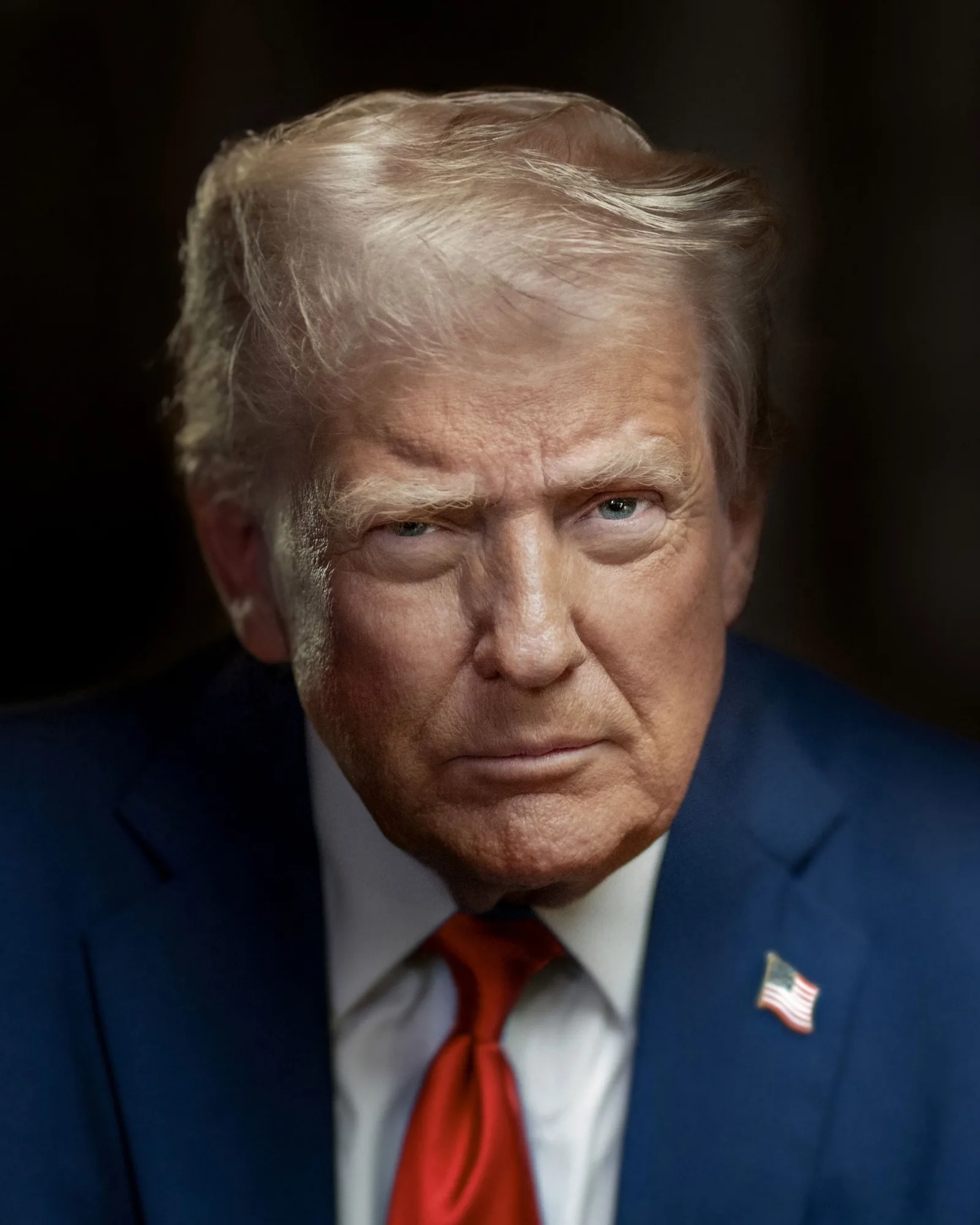 File photo
What happened
Key facts
- Israel will hold parliamentary elections on October 27.
- Opinion polls suggest neither Netanyahu nor the opposition will win the 61 seats needed to form a coalition.
- Trump praised Netanyahu’s role in the war against Iran and said the United States would have to act alone if Netanyahu were not re-elected.
- Netanyahu thanked Trump for his support and posted that the two countries would complete their mission together.
- Gadi Eisenkot, identified as Netanyahu’s main challenger, reacted to Trump’s endorsement.
- Trump warned that the United States could be left to confront Iran alone if Netanyahu loses.
- Netanyahu thanked Trump on X and wrote, “Together we will complete the mission!”
The brief
Donald Trump endorsed Benjamin Netanyahu for Israel’s October 27 parliamentary election and warned that the United States might have to confront Iran without Netanyahu’s partnership if Israel chose another leader. Trump promoted the endorsement in a social media post, describing Netanyahu as a “Great Warrior Prime Minister” and a partner for peace in confronting Iran.
The warning tied Trump’s support for the incumbent to his stated concern about how a different Israeli leader could affect U.S. action toward Iran. Netanyahu thanked Trump for the backing.
CBS12 reported that he posted on X, “Together we will complete the mission!” Trump’s message also praised Netanyahu’s leadership and their partnership on Iran, according to DW, The Times of India, the New York Post and CNA. Trump’s comments were a direct intervention in an election campaign in which Netanyahu is seeking to remain prime minister.
Gadi Eisenkot, described by CBS12 and The Sydney Morning Herald as Netanyahu’s main rival, argued that Israeli voters should determine the result. CBS12 said Eisenkot called the contest a domestic matter; The Sydney Morning Herald reported that Netanyahu’s rivals had urged Trump not to intervene.
Those accounts frame the endorsement differently from Trump’s own presentation of it as support for a partner in confronting Iran: they emphasize the election’s domestic decision-making and the objection to outside involvement. Israel is due to vote on October 27 for its 120-member Knesset.
The prime minister is not elected by a direct popular vote: the leader who can assemble enough parliamentary backing is positioned to form a government. CBS12 and DW report that polling suggests Netanyahu’s coalition or the opposition could be short of the 61 seats needed to govern, making coalition formation central to the result.
The outlets also place the endorsement against different accounts of its political usefulness. CNA says Israeli public support for Trump has diminished amid disagreements between the two countries over Iran, and cautions that his support may not help Netanyahu’s Likud party.
The Times of India reports that Trump had said in August he considered it most appropriate to stay out of Israeli elections, while leaving open the option of endorsing a candidate. The New York Post instead foregrounds Trump’s favorable claims about Netanyahu and his partnership on Iran.
The election is Israel’s first national vote since the Hamas-led October 7, 2023, attack, according to CBS12 and The Times of India. CBS12 reports that Netanyahu faces criticism over security failures and the wars in Gaza, Lebanon and Iran. The New York Post also mentions criticism of the government over the October 7 attack and Netanyahu’s corruption trial.
These are reported political pressures around the election; the accounts do not establish how they will affect the vote or subsequent coalition negotiations. The central choice now is whether Netanyahu can secure enough parliamentary support to lead a coalition, and which parties will join one if neither major bloc reaches 61 seats.
Trump has publicly linked his preference for Netanyahu to his own stated concern that a different Israeli leader could leave the United States handling the Iran confrontation alone. Eisenkot’s argument, as reported by CBS12, is that Israeli voters—not a foreign endorsement—should decide the contest.
Why it matters
- Israeli voters choose the 120-member Knesset, while coalition-building determines who can become prime minister; the 61-seat threshold is the concrete parliamentary hurdle.
- The United States is the population-level party facing the specific stake Trump described: having to confront Iran without Netanyahu’s partnership if Israel chooses another leader. This is Trump’s stated warning, not an established outcome.
- Netanyahu’s Likud party has an electoral interest in the result; CNA says Trump’s endorsement may not help it because Israeli support for Trump has diminished amid U.S.-Israeli disagreements over Iran.
- Eisenkot’s position centers Israeli voters’ authority over the contest, while Trump publicly used the endorsement to connect the election outcome with U.S. policy toward Iran.
What to watch next
- Whether Israeli voters give Netanyahu’s camp or the opposition enough support to reach the 61-seat coalition threshold.
- Which parties join a coalition after the October 27 Knesset election.
- Whether Gadi Eisenkot continues to argue that Israeli voters should decide the contest without outside intervention.
- Whether Trump’s endorsement changes support for Netanyahu’s Likud party, a possibility CNA says is uncertain.
How it's being covered
Coverage analysisShow details22 source articles · 20 unique outlets · 17 distinct reportsOutlet political mix: Mixed· 4 Left · 12 Center · 3 Right · 1 unrated· Wide spread of viewpointsWhere the outlets are based: US/Canada 45% · Asia 15% · Other 40%
3 sources are from a wire service (AP, Reuters, AFP or Bloomberg), whose reporting other outlets often republish.
How outlets' accounts compare
3 framing differences · 4 uncorroborated claims · 3 information gaps- The New York Post emphasizes Trump’s praise of Netanyahu and their Iran partnership; CNA highlights diminished Israeli public support for Trump amid U.S.-Israeli disagreements over Iran and questions whether the endorsement will help Likud.
- CBS12 reports Eisenkot’s view that the election is a domestic matter, while The Sydney Morning Herald describes rivals urging Trump not to intervene.
- The Times of India notes Trump’s earlier stated preference to stay out of Israeli elections; its account also says he left open the possibility of an endorsement.
- Trump presents Netanyahu as a partner for peace in confronting Iran; Eisenkot, as reported by CBS12, says voters should decide the Israeli contest as a domestic matter.
- Trump called Netanyahu a “Great Warrior Prime Minister” and a partner for peace in confronting Iran.
- CBS12 reports Netanyahu wrote, “Together we will complete the mission!”
- Trump warned that the United States might have to do the Iran-related work itself if Israel chose another leader.
- The sources provide no polling figures or seat estimates beyond the 61-seat coalition threshold.
- The sources do not give casualty figures for the wars in Gaza, Lebanon or Iran mentioned as political context.
- CNA says the endorsement is not certain to benefit Netanyahu’s Likud party; the sources do not establish its electoral effect.
The rated outlets covering this story span both Left and Right, with the outermost outlets far apart politically. It highlights divergent source perspectives, where framing may differ.
Timeline
Developments from this story's sources, dated background we compiled and fact-checked, and our earlier coverage. Each row says which.- Benjamin Netanyahu first became Israel’s prime minister.Background · compiled and fact-checked by Updat3
- Iran and six world powers signed the Joint Comprehensive Plan of Action (JCPOA) on July 14, 2015, placing limits on Iran’s nuclear program in exchange for sanctions relief.Background · from our historical context
- On May 8, 2018, President Trump announced the U.S. withdrawal from the agreement.Background · from our historical context
- From 2019, Iran exceeded JCPOA limits; Iran said its steps answered the U.S. withdrawal.Background · from our historical context
- Donald Trump publicly backed Benjamin Netanyahu’s re-election campaign.Background · compiled and fact-checked by Updat3
- Direct exchanges between Iran and Israel followed in 2024.Background · from our historical context
- Iran launched missiles at Israel, saying it was responding to Israeli actions, including the killings of senior Iranian-aligned figures.Background · compiled and fact-checked by Updat3
- Donald Trump was inaugurated for a second term as president.Background · compiled and fact-checked by Updat3
- The United States and Israel launched coordinated military strikes across Iran.Background · compiled and fact-checked by Updat3
- In August 2026, Donald Trump said he thought it was most appropriate for the United States to stay out of Israel’s elections, while leaving open the possibility of endorsing a candidate.Background · from our historical context
How we got here
In August 2026, Donald Trump said he thought it was most appropriate for the United States to stay out of Israel’s elections, while leaving open the possibility of endorsing a candidate.
The February 28, 2026, coordinated U.S.-Israeli strikes on Iranian power plants, air defenses and military infrastructure marked a major escalation in the confrontation; the war was still ongoing before Israel’s October 27 vote. The confrontation has roots in Iran’s nuclear dispute and its deterioration of ties with Israel and the United States.
Original sources
2 of 22 articles · Unknown · Show allEvery story links to the reporting it was built from. How we choose sources
Spotted a factual error, a broken link or a misleading summary? Tell us.