
FBI arrests former OpenAI engineer accused of planting recording device in company conference room
Former OpenAI engineer Abdulrahman Alfozan was arrested by the FBI after prosecutors say he planted a recording device behind a TV in a San Francisco conference room used for sensitive meetings; DOJ cites surveillance footage.
AI-assisted synthesis · Based on 5 outlets' reporting · Full text read from 1 of 5 outletsHow it's made
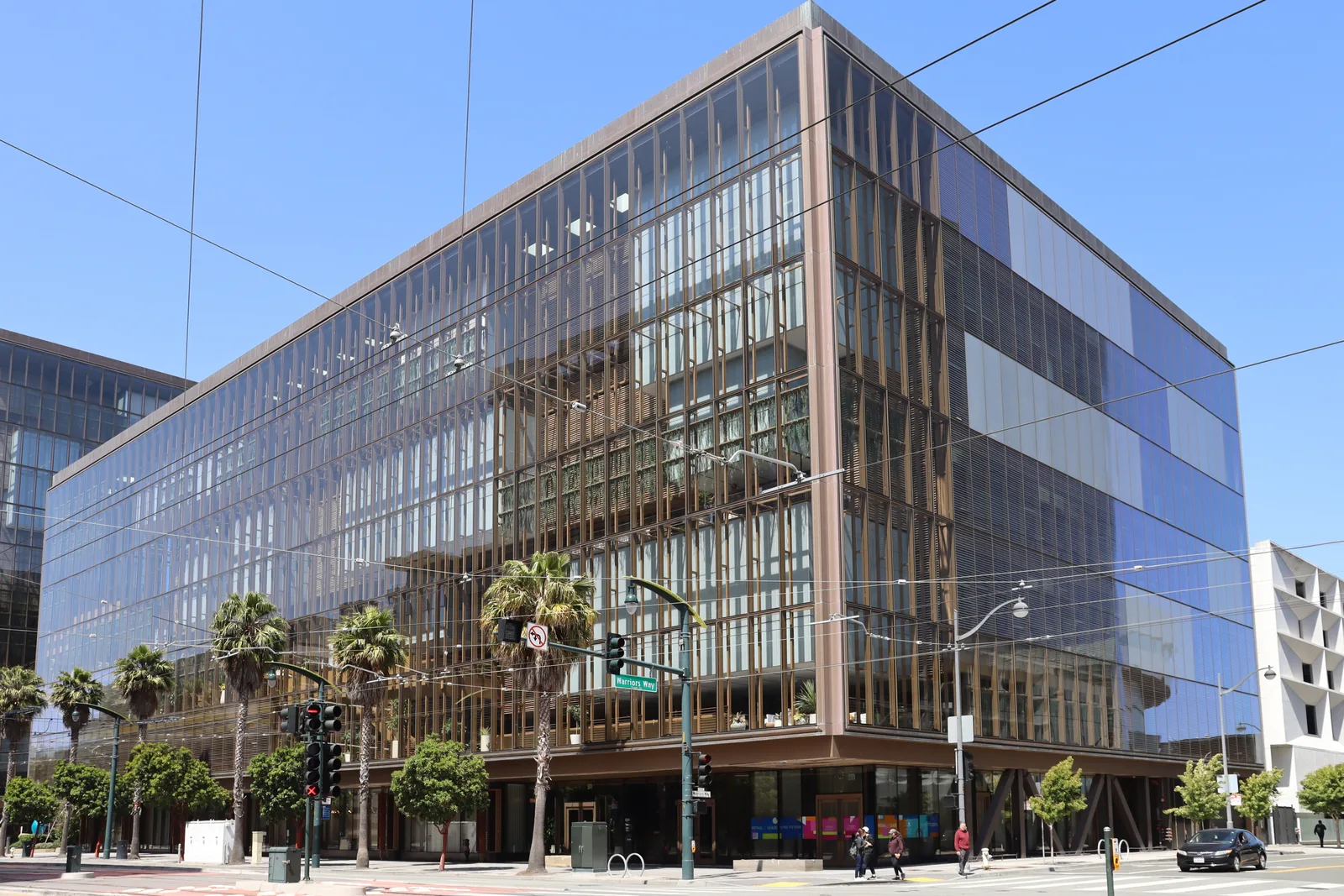 File photo
What happened
Key facts
- The FBI arrested Abdulrahman Alfozan, a 35-year-old Saudi national and former OpenAI engineer (per denvergazette.com).
- The device was installed on Sept. 28, according to the Justice Department (per denvergazette.com).
- OpenAI and the Justice Department revealed the arrest on a Friday that was disclosed in a Tuesday announcement (per denvergazette.com).
The brief
The FBI has arrested Abdulrahman Alfozan, a 35-year-old Saudi national and former OpenAI engineer, after investigators say he planted a covert recording device inside OpenAI’s San Francisco office.
According to the Denver Gazette’s account of Justice Department statements, the device had been inserted into a USB port behind a television in an executive conference room where sensitive meetings with government officials and business leaders occur. The Justice Department provided a timeline for the alleged operation: it said the recording device was installed on Sept.
28 and that surveillance cameras later filmed Alfozan entering the conference room on Oct. 5 and looking behind the television into which the device had been inserted. OpenAI and the Justice Department disclosed the arrest in a statement revealed on a Tuesday after the arrest was made on a preceding Friday, the outlet reported.
OpenAI flagged the discovery to authorities, and the Justice Department handled the criminal case leading to the arrest, the Denver Gazette reported.
The outlet identified the room where the device was hidden as an executive conference room used for discussions the DOJ described as involving "highly confidential technical, commercial, and strategic information," underscoring why the recording device’s presence concerned prosecutors.
After his arrest, Alfozan appeared in federal court on a Tuesday, and he was scheduled to return for a next hearing on Oct. 19, the Denver Gazette said.
The report describes him as a former OpenAI engineer and a Saudi national but does not quote statements from Alfozan, his counsel, or OpenAI beyond the notifications of the arrest and DOJ descriptions of the venue and surveillance evidence.
The arrest drew attention because of the alleged placement of a listening device in a location where company leaders meet with external officials. The Denver Gazette account stresses the DOJ’s emphasis on the sensitivity of the conference room and the role surveillance footage played in identifying Alfozan’s presence in the room after the device was installed.
Other outlets published headlines identifying Alfozan and noting his arrest; CNBC’s headline also referenced the alleged planting of a recording device in a conference room.
The available reporting in the Denver Gazette furnishes the facts the Justice Department presented—who was arrested, where the device was placed, the dates the DOJ cited for installation and a later camera sighting, and the scheduled court appearance on Oct.
19—but does not include public comments from defence counsel or a criminal complaint text in the article excerpt provided.
Why it matters
- Who bears the concrete costs: OpenAI’s executives and staff who hold meetings in the San Francisco executive conference room face exposure of "highly confidential technical, commercial, and strategic information" if the alleged device recorded discussions.
- Legal and procedural stakes: The Justice Department pursued criminal charges that led to Alfozan’s arrest and a federal court appearance scheduled for Oct. 19, creating a judicial process that will determine whether the accused faces prosecution.
- Operational security implications: The Justice Department’s cited timeline—installation on Sept. 28 and camera footage of Alfozan on Oct. 5—reveals a potential multi-day lapse between installation and detection, a vulnerability for company meeting security highlighted in the DOJ account.
What to watch next
- Whether Abdulrahman Alfozan appears at the scheduled federal court hearing on Oct. 19.
- Whether the Justice Department files a public criminal complaint or additional charges tied to the alleged recording device and the installation dates given in the DOJ account.
- Whether OpenAI issues further statements or disclosures about the meetings held in the affected executive conference room or changes to its physical security procedures following the DOJ announcement.
How it's being covered
Coverage analysisShow details5 source articles · 5 unique outletsCoverage mix: Center Only· 5 CenterWhere the outlets are based: US/Canada 80% · Middle East 20%
- Coverage is currently concentrated among Center-rated outlets (5 of 5 rated sources); comparatively few Left or Right-rated outlets have published on the event.
- Coverage is currently concentrated among outlets based in US/Canada (4 of 5 geographically-identified sources).
How outlets' accounts compare
How we got here
Immediate backdrop: OpenAI was founded in December 2015 as a research lab that rapidly expanded into commercial AI services by 2019–2021, making internal data and model-development environments central to its operations.
Structural roots: U.S. federal statutes that govern unauthorized access and economic espionage include the Computer Fraud and Abuse Act (18 U.S.C. § 1030, enacted 1986) and the Economic Espionage Act (18 U.S.C. §§ 1831–1839, enacted 1996), both routinely invoked in prosecutions of insiders.
Original sources
4 of 5 articles · US/Canada · Show allEvery story links to the reporting it was built from. How we choose sources
Spotted a factual error, a broken link or a misleading summary? Tell us.